Choose language / 한국어

EN / 한
Houthis Claim Fourth Attack On Saudi Aramco Refineries This Month
Bull/Bear Index 48.3/100
macro ▼ Bear Impact 75/100 ZeroHedge 20d ago Read original ↗

Houthis Claim Fourth Attack On Saudi Aramco Refineries This Month

How this call is verified

▼ Bearish call was checked against the actual S&P 500 price 24h later: ✗ Miss (+0.43%).

Our record on calls like this

1,131 scored calls here, 46.9% right (±7.7pp). Always answering up would have scored 60.2% on the same rows. Paired within the same day and asset, our directional edge is +1.9 pp ± 4.3 — inside the error bar, i.e. indistinguishable from zero.

Bar: S&P 500 ±0.3% within 24h · every verdict lands on the public ledger

AI comment — why bearish

Heightened aggression targeting vital energy facilities in the Middle East is introducing renewed uncertainty into international markets. These incidents raise significant questions regarding the potential for interruptions in the flow of oil and gas, which could, in turn, contribute to an increase in energy commodity prices. Such developments often lead to a more cautious investor outlook, as geopolitical friction intensifies. This situation is particularly relevant given prevailing concerns about global energy security and the persistent challenge of inflation. Sustained elevated energy expenses have the capacity to worsen existing inflationary trends, potentially influencing monetary policy decisions. As a result, investor sentiment might weaken, leading to a decreased willingness to engage with higher-risk investments and a possible reallocation towards assets perceived as more stable. The continued unrest in a region crucial to global energy production highlights the inherent vulnerability of these markets to geopolitical events.

Key takeaway

"Houthis Claim Fourth Attack On Saudi Aramco Refineries This Month" — BullBear's AI rates this story as a bearish (negative) signal for markets, with a market-impact score of 75 out of 100. That score reflects how strongly the story is likely to move Bitcoin, US equities, the dollar, and gold, and near-duplicate coverage of the same event is clustered so only the representative article is scored. Reported by ZeroHedge on August 21, 2026. The call is verified against the actual 24-hour price move on BullBear's public conviction ledger.

Catch the next bear flag

Telegram alerts when our AI scores a story 80+/100 impact (~1-3 per day, no spam). Verified 30d hit rate 45.7%.
Join Telegram channel

📡 Tomorrow's Watch

Related news

▼ Bear
82/100
ZeroHedge 6h ago

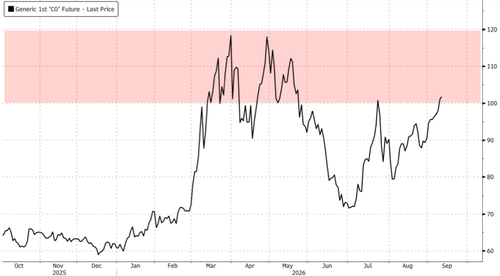
Brent Tops $102 As Mideast Conflict Intensifies, HSBC Hikes Oil Forecast

Rising crude prices above $102 a barrel, driven by heightened tensions in the Middle East and HSBC's upward revision of its oil demand outlook, reverberate across equity and currency markets. Higher energy costs feed inflationary pressures, prompting central banks to reassess tightening cycles and nudging risk‑off sentiment among investors wary of tighter monetary policy. The surge dovetails with broader macro themes of supply‑side shocks and geopolitical risk premiums, reinforcing the narrative that commodity‑linked exposures may outperform while growth‑sensitive sectors face headwinds. Investor confidence is likely to waver as the prospect of sustained price volatility amplifies uncertainty around corporate earnings and consumer spending, curbing appetite for high‑beta assets and prompting a modest shift toward defensive positions and safe‑haven currencies. Nonetheless, the move also underscores the importance of diversification, as some market participants may seek exposure to energy‑related instruments to capture the upside.

Rising crude prices above $102 a barrel, driven by heightened tensions in the Middle East and HSBC's upward revision of its oil demand outlook, reverberate across equity and currency markets. Higher energy costs feed inflationary pressures, prompting central banks to reassess tightening cycles and nudging risk‑off sentiment among investors wary of tighter monetary policy. The surge dovetails with broader macro themes of supply‑side shocks and geopolitical risk premiums, reinforcing the narrative that commodity‑linked exposures may outperform while growth‑sensitive sectors face headwinds. Investor confidence is likely to waver as the prospect of sustained price volatility amplifies uncertainty around corporate earnings and consumer spending, curbing appetite for high‑beta assets and prompting a modest shift toward defensive positions and safe‑haven currencies. Nonetheless, the move also underscores the importance of diversification, as some market participants may seek exposure to energy‑related instruments to capture the upside.

#macro
▲ Bull
65/100
ZeroHedge 15h ago

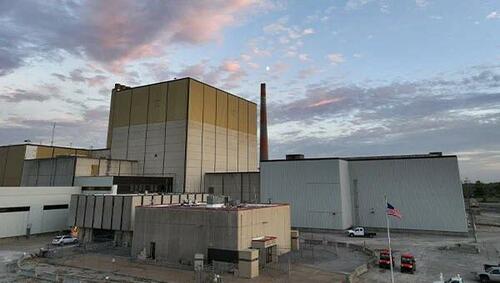
NextEra Secures $1.9BN Loan From Dept Of Energy For Restart Of Duane Arnold Nuclear Power Plant

The financing of a $1.9 billion loan from the Department of Energy to restart the Duane Arnold nuclear plant signals renewed federal support for legacy clean‑energy assets, reinforcing the broader trend of diversifying the power mix amid tightening emissions standards. By unlocking capital for an existing facility, the move may encourage other operators to consider similar refurbishments, potentially expanding the pipeline of domestic nuclear capacity and bolstering the long‑term supply outlook for baseload electricity. Market sentiment could shift modestly more positive toward energy infrastructure equities, as investors interpret the commitment as a vote of confidence in policy stability and the viability of nuclear as a low‑carbon hedge. This aligns with macro themes of decarbonization, energy security, and infrastructure spending, which together may lift risk appetite for projects with government backing while tempering concerns over the transition’s financing gaps.

The financing of a $1.9 billion loan from the Department of Energy to restart the Duane Arnold nuclear plant signals renewed federal support for legacy clean‑energy assets, reinforcing the broader trend of diversifying the power mix amid tightening emissions standards. By unlocking capital for an existing facility, the move may encourage other operators to consider similar refurbishments, potentially expanding the pipeline of domestic nuclear capacity and bolstering the long‑term supply outlook for baseload electricity. Market sentiment could shift modestly more positive toward energy infrastructure equities, as investors interpret the commitment as a vote of confidence in policy stability and the viability of nuclear as a low‑carbon hedge. This aligns with macro themes of decarbonization, energy security, and infrastructure spending, which together may lift risk appetite for projects with government backing while tempering concerns over the transition’s financing gaps.

#macro