"Not Behind Us": Major US Tool Distributor Warns Tungsten Cost Shock Is Hitting Factory Floors
Key takeaway
""Not Behind Us": Major US Tool Distributor Warns Tungsten Cost Shock Is Hitting Factory Floors" — BullBear's AI rates this story as a bearish (negative) signal for markets, with a market-impact score of 45 out of 100. Reported by ZeroHedge on September 10, 2026. The call is verified against the actual 24-hour price move on BullBear's public conviction ledger.
Catch the next bear flag
Telegram alerts when our AI scores a story 80+/100 impact (~1-3 per day, no spam).
Verified 30d hit rate 45.7%.
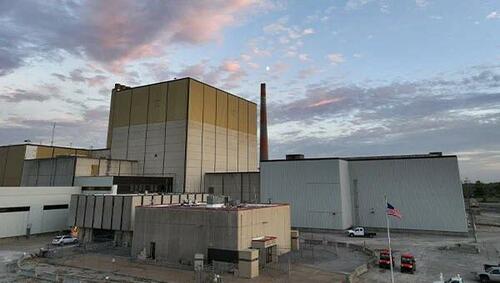
The financing of a $1.9 billion loan from the Department of Energy to restart the Duane Arnold nuclear plant signals renewed federal support for legacy clean‑energy assets, reinforcing the broader trend of diversifying the power mix amid tightening emissions standards. By unlocking capital for an existing facility, the move may encourage other operators to consider similar refurbishments, potentially expanding the pipeline of domestic nuclear capacity and bolstering the long‑term supply outlook for baseload electricity. Market sentiment could shift modestly more positive toward energy infrastructure equities, as investors interpret the commitment as a vote of confidence in policy stability and the viability of nuclear as a low‑carbon hedge. This aligns with macro themes of decarbonization, energy security, and infrastructure spending, which together may lift risk appetite for projects with government backing while tempering concerns over the transition’s financing gaps.
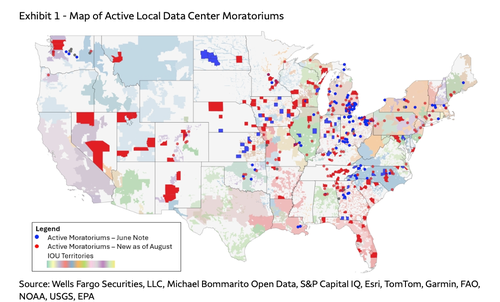
Rising opposition to data center expansions, highlighted by a surge in active moratoriums, signals a tightening regulatory environment that could constrain supply‑side growth in the tech infrastructure sector. As the issue gains traction ahead of the midterm elections, investors may interpret the heightened scrutiny as a proxy for broader policy uncertainty, dampening enthusiasm for related equities and REITs. The development dovetails with macro‑level concerns about energy consumption, climate mandates, and the fiscal outlook, reinforcing narratives of slower capital deployment in high‑intensity assets. Consequently, market sentiment may shift toward caution, with risk‑averse capital gravitating away from sectors perceived as vulnerable to regulatory headwinds. This dynamic could erode confidence among investors seeking stable returns, prompting a recalibration of risk appetite toward more defensively positioned industries.
A prolonged conflict in Ukraine, underscored by Pentagon signals that allies must brace for a ‘protracted’ war, adds a layer of geopolitical uncertainty that could weigh on equities and elevate demand for safe‑haven assets. Extended hostilities may sustain higher defense budgets and strain energy supplies, feeding into inflationary pressures already embedded in global pricing. Investors may interpret the outlook as a catalyst for tighter monetary policy as central banks confront persistent price risks, dampening risk‑on sentiment and prompting a shift toward bonds and gold. The narrative dovetails with broader macro themes of fiscal strain, supply‑chain disruptions, and a potential re‑acceleration of rate hikes, which together could erode confidence in growth‑oriented sectors and compress risk appetite across markets, and may influence portfolio allocations well into the next fiscal cycle.
#macro
Get the next 80+ impact catalyst
Push notifications when our AI flags a high-impact bull/bear story. ~1–3 per day.