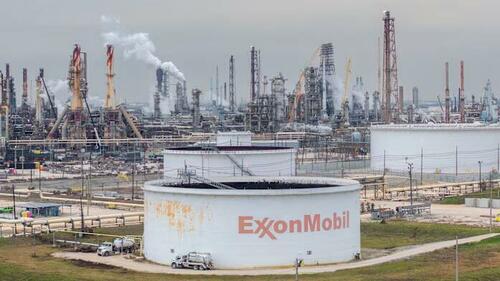
Iran Insists US Must Meet Stringent List Of Demands Before Hormuz Opens
How this call is verified
▼ Bearish call was checked against the actual S&P 500 price 24h later: — Flat (+0.00%, below the ±0.3% bar).
Our record on calls like this
1,300 scored calls here, 46.4% right (±9.0pp). Always answering up would have scored 62.3% — so we are -15.9pp.
Bar: S&P 500 ±0.3% within 24h · every verdict lands on the public ledger
AI comment — why bearish
The geopolitical landscape surrounding a critical global energy chokepoint has become increasingly complex, with one nation articulating a detailed set of prerequisites for its unimpeded passage. This situation introduces a notable degree of unpredictability into the global energy supply chain, which in turn can exacerbate existing inflationary trends. Such inflationary pressures have the potential to affect the profitability of businesses and the discretionary spending power of consumers across a wide array of industries. Consequently, market sentiment may shift towards a more risk-averse posture, as the possibility of sustained interruptions to energy flow or further geopolitical friction could erode investor confidence. This scenario is intrinsically linked to broader economic considerations regarding energy security and the impact of international relations on market stability, factors that have already contributed to market fluctuations. As a result, investors might reduce their tolerance for risk, potentially leading to a preference for assets perceived as safer and a broader market adjustment as participants re-evaluate their investments in
Key takeaway
"Iran Insists US Must Meet Stringent List Of Demands Before Hormuz Opens" — BullBear's AI rates this story as a bearish (negative) signal for markets, with a market-impact score of 85 out of 100. The geopolitical landscape surrounding a critical global energy chokepoint has become increasingly complex, with one nation articulating a detailed set of prerequisites for its unimpeded passage. This situation introduces a notable degree of unpredictability into the global energy supply chain, which in turn can exacerbate existing inflationary trends. Such inflationary pressures have the potential to affect the profitability of businesses and the discretionary spending power of consumers across a wide array of industries. Consequently, market sentiment may shift towards a more risk-averse posture, as the possibility of sustained interruptions to energy flow or further geopolitical friction could erode investor confidence. This scenario is intrinsically linked to broader economic considerations regarding energy security and the impact of international relations on market stability, factors that have already contributed to market fluctuations. As a result, investors might reduce their tolerance for risk, potentially leading to a preference for assets perceived as safer and a broader market adjustment as participants re-evaluate their investments in That score reflects how strongly the story is likely to move Bitcoin, US equities, the dollar, and gold, and near-duplicate coverage of the same event is clustered so only the representative article is scored. Reported by ZeroHedge on August 08, 2026. The call is verified against the actual 24-hour price move on BullBear's public conviction ledger.
Catch the next bear flag
Telegram alerts when our AI scores a story 80+/100 impact (~1-3 per day, no spam). Verified 30d hit rate 42.5%.