Oil Tanker Makes Red Sea U-Turn After Houthi Threats, Reroutes Around Africa In Costly Transit
How this call is verified
▼ Bearish call was checked against the actual S&P 500 price 24h later: — Flat (-0.27%, below the ±0.3% bar).
Our record on calls like this
1,130 scored calls here, 46.8% right (±7.7pp). Always answering up would have scored 60.3% on the same rows. Paired within the same day and asset, our directional edge is +1.9 pp ± 4.3 — inside the error bar, i.e. indistinguishable from zero.
Bar: S&P 500 ±0.3% within 24h · every verdict lands on the public ledger
AI comment — why bearish
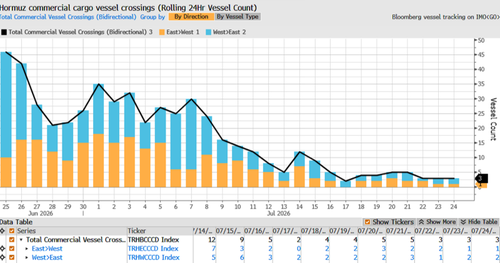
The rerouting of an oil tanker around Africa due to threats in a critical waterway highlights ongoing geopolitical instability and its tangible impact on global supply chains. This event, a direct consequence of escalating regional tensions, introduces significant uncertainty into energy markets. The extended transit around the African continent is expected to increase shipping costs, which could contribute to broader inflationary pressures. Such disruptions can negatively influence market sentiment, fostering a more risk-averse environment as participants assess the potential effects on corporate profitability and overall economic expansion. This incident reinforces macroeconomic considerations regarding the increasing costs associated with maintaining secure trade routes and the potential for a shift towards more localized or regionalized supply networks, which could temper investor confidence and reduce risk appetite, especially for industries dependent on predictable maritime logistics.
Key takeaway
"Oil Tanker Makes Red Sea U-Turn After Houthi Threats, Reroutes Around Africa In Costly Transit" — BullBear's AI rates this story as a bearish (negative) signal for markets, with a market-impact score of 75 out of 100. That score reflects how strongly the story is likely to move Bitcoin, US equities, the dollar, and gold, and near-duplicate coverage of the same event is clustered so only the representative article is scored. Reported by ZeroHedge on July 24, 2026. The call is verified against the actual 24-hour price move on BullBear's public conviction ledger.
Catch the next bear flag
Telegram alerts when our AI scores a story 80+/100 impact (~1-3 per day, no spam). Verified 30d hit rate 45.7%.