2030s Tighten Belts, Self-Employed Lament... "Worse Than During COVID"
Key takeaway
"2030s Tighten Belts, Self-Employed Lament... "Worse Than During COVID"" — BullBear's AI rates this story as a bearish (negative) signal for markets, with a market-impact score of 60 out of 100. Reported by Google News Economy on February 05, 2026. The call is verified against the actual 24-hour price move on BullBear's public conviction ledger.
Catch the next bear flag
Telegram alerts when our AI scores a story 80+/100 impact (~1-3 per day, no spam).
Verified 30d hit rate 44.5%.
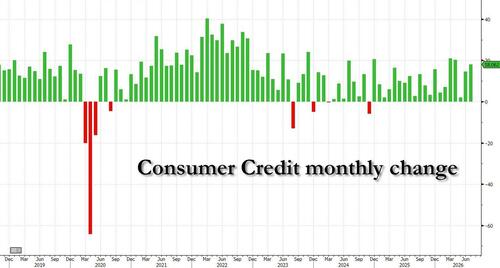
Rising consumer credit levels, highlighted by a surge in credit‑card balances to an unprecedented peak, signal mounting household financial strain that could dampen discretionary spending and weigh on corporate earnings across retail and services sectors. The data reinforces concerns about a slowing economy, feeding a more cautious market mood and prompting investors to reassess valuations that rely on robust consumer demand. Within the broader macro context, the trend dovetails with higher interest rates and lingering inflation pressures, which together amplify debt‑service costs and may accelerate a shift toward tighter credit conditions. Consequently, confidence among equity investors may erode, prompting a tilt toward defensive assets and lower‑beta positions as risk appetite contracts. The confluence of these factors suggests a potential recalibration of market expectations, with heightened volatility likely as participants digest the implications of sustained debt growth.
Rising consumer credit levels, highlighted by a surge in credit‑card balances to an unprecedented peak, signal mounting household financial strain that could dampen discretionary spending and weigh on corporate earnings across retail and services sectors. The data reinforces concerns about a slowing economy, feeding a more cautious market mood and prompting investors to reassess valuations that rely on robust consumer demand. Within the broader macro context, the trend dovetails with higher interest rates and lingering inflation pressures, which together amplify debt‑service costs and may accelerate a shift toward tighter credit conditions. Consequently, confidence among equity investors may erode, prompting a tilt toward defensive assets and lower‑beta positions as risk appetite contracts. The confluence of these factors suggests a potential recalibration of market expectations, with heightened volatility likely as participants digest the implications of sustained debt growth.

 or scan with phone →