Choose language / Korean

EN / 한
Qatar And Kuwait Restore 70% Of Pre-War Oil Exports Through Hormuz
Bull/Bear Index 48.2/100
macro ▲ Bull Impact 75/100 ZeroHedge 2h ago Read original ↗

Qatar And Kuwait Restore 70% Of Pre-War Oil Exports Through Hormuz

How this call is verified

The ▲ Bullish call is auto-verified against the actual S&P 500 price in ~22h.

Our record on calls like this

1,296 scored calls here, 46.5% right (±9.1pp). Always answering up would have scored 62.2% — so we are -15.7pp.

Bar: S&P 500 ±0.3% within 24h · every verdict lands on the public ledger

AI comment — why bullish

The recent restoration of roughly 70% of pre‑war oil exports by Qatar and Kuwait through the Hormuz corridor eases a key supply bottleneck that has pressured global crude markets since the conflict escalated. By re‑establishing a major flow path, the move is likely to dampen upward price pressure, reduce volatility, and support a more balanced oil price outlook. This development dovetails with broader macro themes of gradual normalization of energy trade routes and the ongoing OPEC+ effort to stabilize output, reinforcing a narrative of improving geopolitical risk management. Consequently, market sentiment may shift toward a modestly more bullish tone, as investors interpret the supply relief as a sign that systemic disruptions are receding. Confidence in energy‑linked equities and related commodities could rise, encouraging a broader risk‑on appetite, though participants will remain vigilant for any renewed tensions that could again constrain flows.

Key takeaway

"Qatar And Kuwait Restore 70% Of Pre-War Oil Exports Through Hormuz" — BullBear's AI rates this story as a bullish (positive) signal for markets, with a market-impact score of 75 out of 100. The recent restoration of roughly 70% of pre‑war oil exports by Qatar and Kuwait through the Hormuz corridor eases a key supply bottleneck that has pressured global crude markets since the conflict escalated. By re‑establishing a major flow path, the move is likely to dampen upward price pressure, reduce volatility, and support a more balanced oil price outlook. This development dovetails with broader macro themes of gradual normalization of energy trade routes and the ongoing OPEC+ effort to stabilize output, reinforcing a narrative of improving geopolitical risk management. Consequently, market sentiment may shift toward a modestly more bullish tone, as investors interpret the supply relief as a sign that systemic disruptions are receding. Confidence in energy‑linked equities and related commodities could rise, encouraging a broader risk‑on appetite, though participants will remain vigilant for any renewed tensions that could again constrain flows. That score reflects how strongly the story is likely to move Bitcoin, US equities, the dollar, and gold, and near-duplicate coverage of the same event is clustered so only the representative article is scored. Reported by ZeroHedge on August 27, 2026. The call is verified against the actual 24-hour price move on BullBear's public conviction ledger.

Catch the next bull catalyst

Telegram alerts when our AI scores a story 80+/100 impact (~1-3 per day, no spam). Verified 30d hit rate 42.7%.

Join Telegram channel

📡 Tomorrow's Watch

Related news

▼ Bear
75/100
MishTalk 2h ago

Trade Deficit Surges, Imports Up 3.7 percent, Exports Down 2.9 percent

Rewritten: Trade gap widens as imports rise, exports fall.

A widening trade deficit, driven by a significant increase in imports alongside a notable dip in exports, signals potential headwinds for domestic economic growth. This divergence suggests weakening global demand for domestic products and a robust appetite for foreign goods, which can put pressure on domestic industries and employment. Such a trend typically dampens market sentiment, fostering a more cautious outlook as investors weigh the implications for corporate earnings and overall economic expansion. This development aligns with broader concerns about inflationary pressures, as increased import costs can contribute to rising prices, and highlights the interconnectedness of global trade dynamics with domestic economic health. Consequently, investor confidence may erode, leading to a reduced risk appetite as the market recalibrates its expectations for future performance and navigates the challenges presented by this unfavorable trade balance.

A widening trade deficit, driven by a significant increase in imports alongside a notable dip in exports, signals potential headwinds for domestic economic growth. This divergence suggests weakening global demand for domestic products and a robust appetite for foreign goods, which can put pressure on domestic industries and employment. Such a trend typically dampens market sentiment, fostering a more cautious outlook as investors weigh the implications for corporate earnings and overall economic expansion. This development aligns with broader concerns about inflationary pressures, as increased import costs can contribute to rising prices, and highlights the interconnectedness of global trade dynamics with domestic economic health. Consequently, investor confidence may erode, leading to a reduced risk appetite as the market recalibrates its expectations for future performance and navigates the challenges presented by this unfavorable trade balance.

#macro
▼ Bear
70/100
ZeroHedge 3h ago

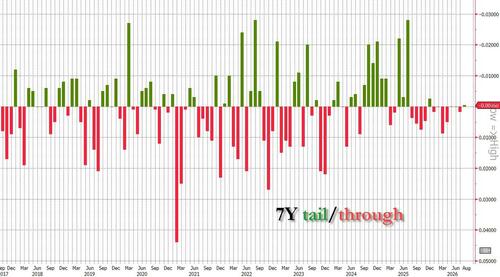
Average 7Y Auction Stops On Screws As Foreign Demand Drops

Rewritten: Average 7-Year Auction Halted as Foreign Demand Declines

Recent weakness in the seven‑year auction, which stalled on the lower end of the price range, signals diminishing foreign appetite for sovereign debt and may foreshadow broader funding pressures. As overseas investors scale back purchases, domestic issuers could face tighter spreads and higher financing costs, nudging the market toward a more cautious stance. The development dovetails with lingering concerns over global growth deceleration, persistent inflationary pressures, and central banks’ tightening cycles, reinforcing a narrative of constrained liquidity. Consequently, confidence among investors appears to be eroding, prompting a shift away from risk‑on assets toward safer havens and shorter‑duration instruments. The reduced demand also underscores the fragility of external capital flows, which, if sustained, could dampen risk appetite and limit the scope for leveraged strategies across equity and credit markets.

Recent weakness in the seven‑year auction, which stalled on the lower end of the price range, signals diminishing foreign appetite for sovereign debt and may foreshadow broader funding pressures. As overseas investors scale back purchases, domestic issuers could face tighter spreads and higher financing costs, nudging the market toward a more cautious stance. The development dovetails with lingering concerns over global growth deceleration, persistent inflationary pressures, and central banks’ tightening cycles, reinforcing a narrative of constrained liquidity. Consequently, confidence among investors appears to be eroding, prompting a shift away from risk‑on assets toward safer havens and shorter‑duration instruments. The reduced demand also underscores the fragility of external capital flows, which, if sustained, could dampen risk appetite and limit the scope for leveraged strategies across equity and credit markets.

#macro
▲ Bull
60/100
ZeroHedge 3h ago

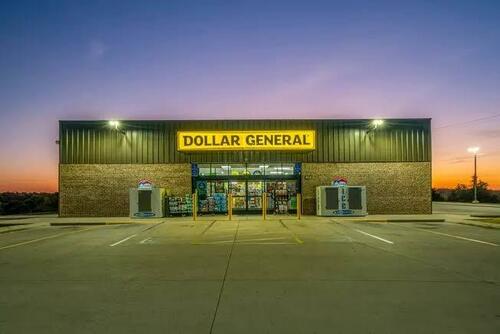
Dollar General Jumps On "Traffic-Led Momentum" As $4 Gas Accelerates Consumer Trade-Down

Rewritten: Dollar General rises on traffic boost as $4 gas fuels trade-down

The surge in Dollar General's stock, driven by a traffic‑led momentum narrative and higher gasoline prices prompting consumers to trade down, underscores a broader shift toward value‑oriented retail plays as inflationary pressures persist. As fuel costs climb, shoppers gravitate to discount formats, bolstering earnings outlooks for low‑price chains and reinforcing a defensive tilt across equity markets. This dynamic lifts sentiment for cost‑sensitive sectors while tempering enthusiasm for growth‑centric names, nudging the overall market risk appetite toward more resilient, cash‑flow‑rich businesses. On the macro front, the pattern dovetails with ongoing concerns about sticky core inflation and the Federal Reserve’s policy stance, suggesting that investors may weigh macro‑driven consumer behavior more heavily in portfolio allocations. Consequently, confidence in companies that can capture trade‑down traffic is likely to rise, whereas exposure to discretionary spending remains under pressure.

The surge in Dollar General's stock, driven by a traffic‑led momentum narrative and higher gasoline prices prompting consumers to trade down, underscores a broader shift toward value‑oriented retail plays as inflationary pressures persist. As fuel costs climb, shoppers gravitate to discount formats, bolstering earnings outlooks for low‑price chains and reinforcing a defensive tilt across equity markets. This dynamic lifts sentiment for cost‑sensitive sectors while tempering enthusiasm for growth‑centric names, nudging the overall market risk appetite toward more resilient, cash‑flow‑rich businesses. On the macro front, the pattern dovetails with ongoing concerns about sticky core inflation and the Federal Reserve’s policy stance, suggesting that investors may weigh macro‑driven consumer behavior more heavily in portfolio allocations. Consequently, confidence in companies that can capture trade‑down traffic is likely to rise, whereas exposure to discretionary spending remains under pressure.

#macro