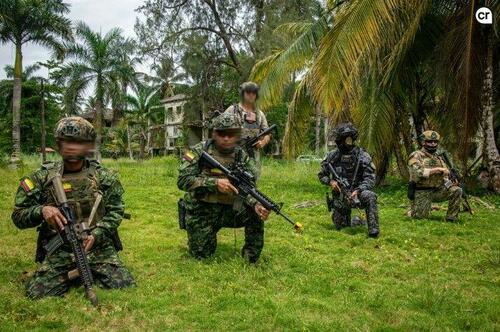
US Firing on Ships Attempting to Break Iran Blockade, Regional Maritime Attacks Continue
How this call is verified
▼ Bearish call was checked against the actual S&P 500 price 24h later: ✓ Hit (-0.32%).
Our record on calls like this
1,294 scored calls here, 46.5% right (±9.1pp). Always answering up would have scored 62.1% — so we are -15.6pp.
Bar: S&P 500 ±0.3% within 24h · every verdict lands on the public ledger
AI comment — why bearish
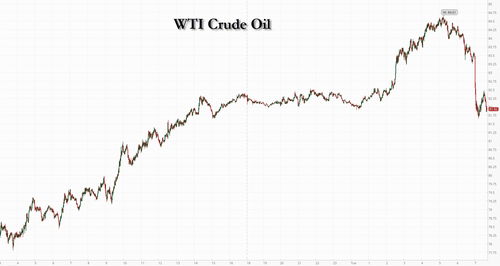
Escalating Middle East tensions, marked by US military operations targeting vessels attempting to bypass an Iran-imposed blockade, are intensifying regional instability with profound market implications. Disruptions to shipping routes through critical chokepoints such as the Strait of Hormuz directly amplify oil price volatility and supply chain vulnerabilities, particularly for energy-dependent economies. This heightened geopolitical risk fuels widespread risk aversion, undermining investor confidence in global trade corridors and commodity-sensitive sectors like manufacturing and logistics. Consequently, market sentiment shifts decisively toward caution, suppressing risk appetite across equity markets and emerging economies. The persistent uncertainty complicates central bank efforts to manage inflation, as supply chain disruptions interact with monetary policy. This environment is likely to sustain elevated market volatility and encourage a preference for defensive asset classes over riskier investments, reflecting the deepening vulnerability of global economic flows to conflict. (158 words)
Key takeaway
"US Firing on Ships Attempting to Break Iran Blockade, Regional Maritime Attacks Continue" — BullBear's AI rates this story as a bearish (negative) signal for markets, with a market-impact score of 65 out of 100. Escalating Middle East tensions, marked by US military operations targeting vessels attempting to bypass an Iran-imposed blockade, are intensifying regional instability with profound market implications. Disruptions to shipping routes through critical chokepoints such as the Strait of Hormuz directly amplify oil price volatility and supply chain vulnerabilities, particularly for energy-dependent economies. This heightened geopolitical risk fuels widespread risk aversion, undermining investor confidence in global trade corridors and commodity-sensitive sectors like manufacturing and logistics. Consequently, market sentiment shifts decisively toward caution, suppressing risk appetite across equity markets and emerging economies. The persistent uncertainty complicates central bank efforts to manage inflation, as supply chain disruptions interact with monetary policy. This environment is likely to sustain elevated market volatility and encourage a preference for defensive asset classes over riskier investments, reflecting the deepening vulnerability of global economic flows to conflict. (158 words) That score reflects how strongly the story is likely to move Bitcoin, US equities, the dollar, and gold, and near-duplicate coverage of the same event is clustered so only the representative article is scored. Reported by ZeroHedge on August 11, 2026. The call is verified against the actual 24-hour price move on BullBear's public conviction ledger.
Catch the next bear flag
Telegram alerts when our AI scores a story 80+/100 impact (~1-3 per day, no spam). Verified 30d hit rate 43.1%.