Choose language / Korean

EN / 한
Gold Holds Steady Above $4,050; Hawkish Fed Bets Favor Bearish Traders
Bull/Bear Index 46.5/100
macro ▼ Bear Impact 70/100 Google News Macroecon... 21d ago Read original ↗

Gold Holds Steady Above $4,050; Hawkish Fed Bets Favor Bearish Traders

How this call is verified

▼ Bearish call was checked against the actual S&P 500 price 24h later: ✗ Miss (+1.79%).

Our record on calls like this

1,284 scored calls here, 46.8% right (±9.2pp). Always answering up would have scored 61.8% — so we are -15.0pp.

Bar: S&P 500 ±0.3% within 24h · every verdict lands on the public ledger

AI comment — why bearish

Gold's resilience above the $4,050 mark suggests a persistent underlying demand, potentially acting as a hedge against broader economic uncertainties. However, the increasing probability of hawkish monetary policy from the Federal Reserve is casting a shadow over market sentiment. This hawkish outlook, driven by inflation concerns and a robust labor market, typically dampens investor confidence and reduces risk appetite. Consequently, the precious metal's stability might be viewed as a temporary pause rather than a definitive bullish signal, as higher interest rates generally increase the opportunity cost of holding non-yielding assets like gold. Investors may therefore be reassessing their portfolio allocations, leaning towards assets perceived to benefit from a tightening monetary environment, while gold's role as a safe haven faces headwinds from these macroeconomic shifts.

Key takeaway

"Gold Holds Steady Above $4,050; Hawkish Fed Bets Favor Bearish Traders" — BullBear's AI rates this story as a bearish (negative) signal for markets, with a market-impact score of 70 out of 100. Gold's resilience above the $4,050 mark suggests a persistent underlying demand, potentially acting as a hedge against broader economic uncertainties. However, the increasing probability of hawkish monetary policy from the Federal Reserve is casting a shadow over market sentiment. This hawkish outlook, driven by inflation concerns and a robust labor market, typically dampens investor confidence and reduces risk appetite. Consequently, the precious metal's stability might be viewed as a temporary pause rather than a definitive bullish signal, as higher interest rates generally increase the opportunity cost of holding non-yielding assets like gold. Investors may therefore be reassessing their portfolio allocations, leaning towards assets perceived to benefit from a tightening monetary environment, while gold's role as a safe haven faces headwinds from these macroeconomic shifts. That score reflects how strongly the story is likely to move Bitcoin, US equities, the dollar, and gold, and near-duplicate coverage of the same event is clustered so only the representative article is scored. Reported by Google News Macroeconomics (EN) on August 04, 2026. The call is verified against the actual 24-hour price move on BullBear's public conviction ledger.

Catch the next bear flag

Telegram alerts when our AI scores a story 80+/100 impact (~1-3 per day, no spam). Verified 30d hit rate 42.7%.

Join Telegram channel

📡 Tomorrow's Watch

Related news

▼ Bear
80/100
ZeroHedge 1h ago

Goldman Sounds Alarm: Europe May Need €100 NatGas Shock To Refill Winter Storage

Rewritten: Europe's winter gas storage needs may hit €100 billion.

Goldman Sachs' warning regarding potential €100 per megawatt-hour natural gas prices in Europe injects a significant bearish element into energy markets, with ripple effects extending across broader financial landscapes. Such a price surge would likely exacerbate inflationary pressures, potentially forcing central banks to maintain a more hawkish stance on interest rates, thereby dampening economic growth prospects. This scenario directly challenges optimistic market sentiment, increasing volatility and fostering a risk-off environment as investors reassess their exposure to energy-intensive sectors and cyclical assets. The connection to macro themes of energy security, geopolitical instability, and the pace of the green transition becomes acutely apparent, as a supply crunch would highlight the vulnerabilities within current energy infrastructure. Consequently, investor confidence could erode, leading to a reduced risk appetite and a potential flight to perceived safe-haven assets, further complicating the economic outlook.

Goldman Sachs' warning regarding potential €100 per megawatt-hour natural gas prices in Europe injects a significant bearish element into energy markets, with ripple effects extending across broader financial landscapes. Such a price surge would likely exacerbate inflationary pressures, potentially forcing central banks to maintain a more hawkish stance on interest rates, thereby dampening economic growth prospects. This scenario directly challenges optimistic market sentiment, increasing volatility and fostering a risk-off environment as investors reassess their exposure to energy-intensive sectors and cyclical assets. The connection to macro themes of energy security, geopolitical instability, and the pace of the green transition becomes acutely apparent, as a supply crunch would highlight the vulnerabilities within current energy infrastructure. Consequently, investor confidence could erode, leading to a reduced risk appetite and a potential flight to perceived safe-haven assets, further complicating the economic outlook.

#macro
▼ Bear
75/100
ZeroHedge 8h ago

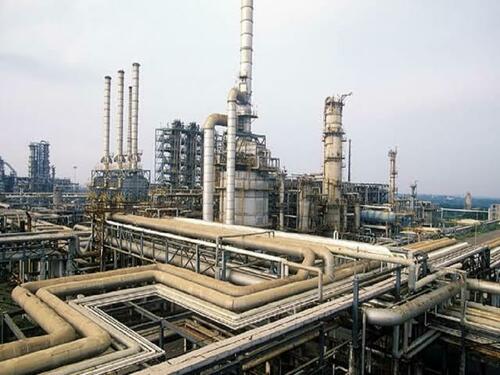
World's Largest Refiner Says China's Oil Demand "Very Likely Peaked Last Year"

Rewritten: China's oil demand likely peaked in 2023, says top refiner.

If China's oil demand truly peaked last year, global refiners could face a structural slowdown in one of their biggest growth markets, prompting a reassessment of supply‑side forecasts and tightening of profit margins across the sector. A perceived ceiling on demand would likely dampen bullish sentiment in energy equities, reinforcing a broader risk‑off tilt that has been gaining traction amid lingering inflationary pressures and tightening monetary policy. The development dovetails with macro trends of decarbonisation, slower economic expansion in Asia and the ongoing shift toward alternative fuels, all of which compound concerns about long‑term demand sustainability. Consequently, investor confidence in oil‑related assets may erode, prompting capital to migrate toward defensive or non‑commodity exposures, and reducing appetite for leverage in energy‑focused portfolios.

If China's oil demand truly peaked last year, global refiners could face a structural slowdown in one of their biggest growth markets, prompting a reassessment of supply‑side forecasts and tightening of profit margins across the sector. A perceived ceiling on demand would likely dampen bullish sentiment in energy equities, reinforcing a broader risk‑off tilt that has been gaining traction amid lingering inflationary pressures and tightening monetary policy. The development dovetails with macro trends of decarbonisation, slower economic expansion in Asia and the ongoing shift toward alternative fuels, all of which compound concerns about long‑term demand sustainability. Consequently, investor confidence in oil‑related assets may erode, prompting capital to migrate toward defensive or non‑commodity exposures, and reducing appetite for leverage in energy‑focused portfolios.

#macro