Choose language / Korean

EN / 한
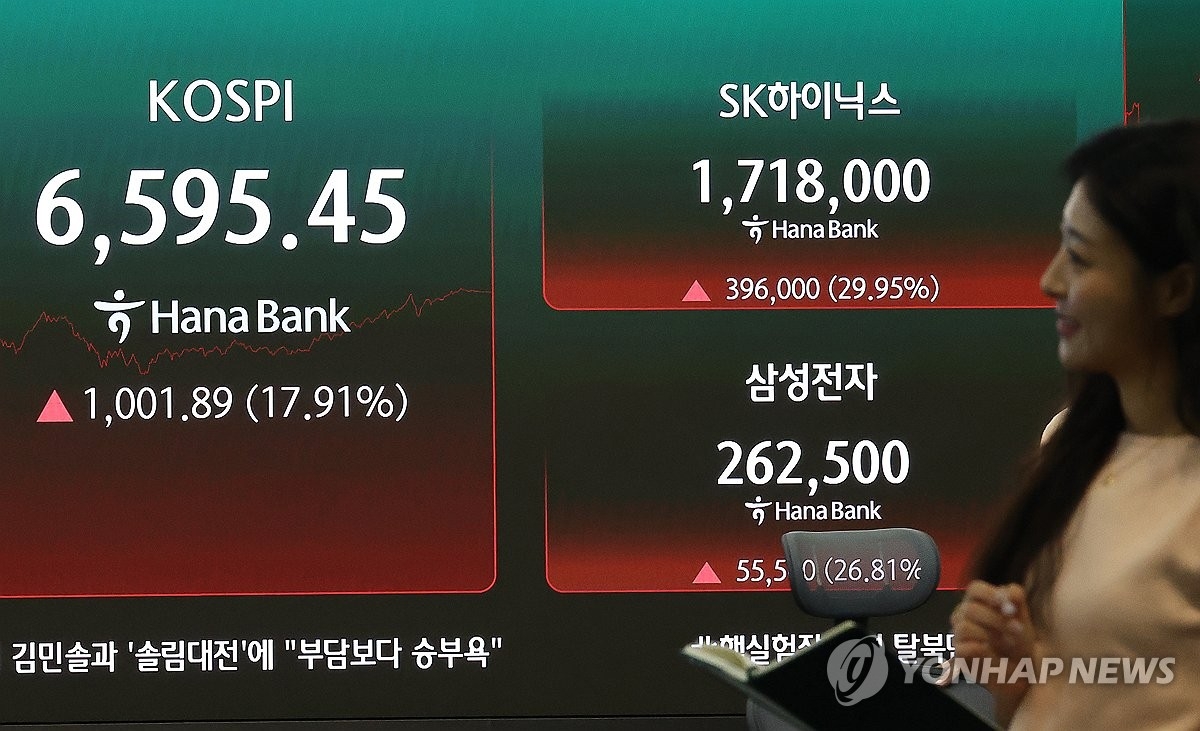
KOSPI Plunges on Semiconductor Shock, Possibility of Rebound After July Drop?
Bull/Bear Index 47.0/100
global ▼ Bear Impact 85/100 TokenPost 2h ago Read original ↗

KOSPI Plunges on Semiconductor Shock, Possibility of Rebound After July Drop?

The South Korean stock market (KOSPI) experienced a record-breaking shock in July, plummeting 22.19% in a single month due to a confluence of factors including concerns over the semiconductor market's peak, Middle East geopolitical risks, and rising interest rates. This decline surpassed the monthly drops seen during the 1997 Asian Financial Crisis and the 2008 Global Financial Crisis, highlighting the severity of the market impact. The market sentiment sharply reversed after a strong first half where KOSPI surged 101.14%. Excluding a brief rebound on July 31st, the index fell 34.01% from July 1st to 30th.

How this call is verified

The ▼ Bearish call is auto-verified against the actual S&P 500 price in ~22h.

Bar: S&P 500 ±0.3% within 24h · every verdict lands on the public ledger

Key takeaway

"KOSPI Plunges on Semiconductor Shock, Possibility of Rebound After July Drop?" — BullBear's AI rates this story as a bearish (negative) signal for markets, with a market-impact score of 85 out of 100. The South Korean stock market (KOSPI) experienced a record-breaking shock in July, plummeting 22.19% in a single month due to a confluence of factors including concerns over the semiconductor market's peak, Middle East geopolitical risks, and rising interest rates. This decline surpassed the monthly drops seen during the 1997 Asian Financial Crisis and the 2008 Global Financial Crisis, highlighting the severity of the market impact. The market sentiment sharply reversed after a strong first half where KOSPI surged 101.14%. Excluding a brief rebound on July 31st, the index fell 34.01% from July 1st to 30th. Reported by TokenPost on August 01, 2026. The call is verified against the actual 24-hour price move on BullBear's public conviction ledger.

Catch the next bear flag

Telegram alerts when our AI scores a story 80+/100 impact (~1-3 per day, no spam). Verified 30d hit rate 49.5%.

Join Telegram channel

📡 Tomorrow's Watch

Related news

▼ Bear
75/100
Reuters via Google News EN 1d ago

Morning Bid: Yen sinks as BOJ holds - and it's the KOSPI's best day

Rewritten: Yen drops on BOJ inaction; KOSPI surges.

The Japanese Yen depreciated significantly as the Bank of Japan maintained its interest rate, while the South Korean KOSPI index experienced its best day.

The Bank of Japan's decision to maintain its ultra-loose monetary policy, despite a weakening yen, signals a divergence in global central bank actions and raises questions about the sustainability of current currency trends. This divergence could fuel further volatility across currency markets and impact cross-border investment flows. The yen's sharp depreciation, while boosting export-oriented sectors like South Korea's KOSPI, introduces an element of uncertainty for global trade and inflation expectations. Such developments can temper broader market sentiment, potentially leading to increased caution among investors as they reassess risk exposures. The disconnect between the BOJ's stance and the tightening cycles elsewhere highlights ongoing macro-economic imbalances, which may erode investor confidence and dampen risk appetite as the market grapples with the implications of prolonged monetary policy divergence.

The Bank of Japan's decision to maintain its ultra-loose monetary policy, despite a weakening yen, signals a divergence in global central bank actions and raises questions about the sustainability of current currency trends. This divergence could fuel further volatility across currency markets and impact cross-border investment flows. The yen's sharp depreciation, while boosting export-oriented sectors like South Korea's KOSPI, introduces an element of uncertainty for global trade and inflation expectations. Such developments can temper broader market sentiment, potentially leading to increased caution among investors as they reassess risk exposures. The disconnect between the BOJ's stance and the tightening cycles elsewhere highlights ongoing macro-economic imbalances, which may erode investor confidence and dampen risk appetite as the market grapples with the implications of prolonged monetary policy divergence.

#global