Choose language / 한국어

EN / 한
The Federal Reserve’s favored measure of inflation rose 3.7% last month, above its 2% target
Bull/Bear Index 48.5/100
macro ▼ Bear Impact 85/100 Google News Macroecon... Jul 30, 2026 Read original ↗

The Federal Reserve’s favored measure of inflation rose 3.7% last month, above its 2% target

How this call is verified

▼ Bearish call was checked against the actual S&P 500 price 24h later: ✗ Miss (+0.68%).

Our record on calls like this

1,128 scored calls here, 46.7% right (±7.7pp). Always answering up would have scored 60.4% on the same rows. Paired within the same day and asset, our directional edge is +1.9 pp ± 4.3 — inside the error bar, i.e. indistinguishable from zero.

Bar: S&P 500 ±0.3% within 24h · every verdict lands on the public ledger

AI comment — why bearish

The latest inflation data indicates a persistent divergence from the central bank's objective, suggesting that monetary authorities may maintain a restrictive policy stance for an extended period. Such a scenario could lead to prolonged higher borrowing costs, potentially impacting the profitability of businesses and exerting downward pressure on stock market valuations. This environment may foster a more risk-averse investor sentiment, leading to a preference for assets considered less volatile over those with higher growth potential. The ongoing inflationary pressures challenge expectations of a rapid return to price stability, raising questions about the trajectory of economic recovery and potentially influencing capital allocation decisions towards more secure investments.

Key takeaway

"The Federal Reserve’s favored measure of inflation rose 3.7% last month, above its 2% target" — BullBear's AI rates this story as a bearish (negative) signal for markets, with a market-impact score of 85 out of 100. That score reflects how strongly the story is likely to move Bitcoin, US equities, the dollar, and gold, and near-duplicate coverage of the same event is clustered so only the representative article is scored. Reported by Google News Macroeconomics (EN) on July 30, 2026. The call is verified against the actual 24-hour price move on BullBear's public conviction ledger.

1 more report on this event

Google News Macroeconomics (EN) The Federal Reserve’s favored measure of inflation rose 3.7% last month, above its 2% target - Journal-News.com Jul 30, 2026

Catch the next bear flag

Telegram alerts when our AI scores a story 80+/100 impact (~1-3 per day, no spam). Verified 30d hit rate 45.2%.


Join Telegram channel

📡 Tomorrow's Watch

Related news

▼ Bear
78/100
ZeroHedge 11h ago

China's Oil Scramble Sends African, Canadian, Latin American Crude Prices Soaring

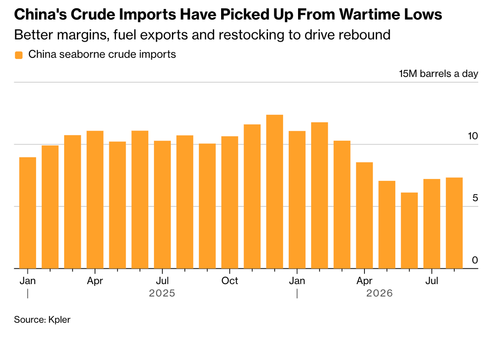
Amid intensifying competition for oil supplies, China's aggressive push into African, Canadian and Latin American fields is tightening global crude markets and lifting spot prices across those regions. The upward price pressure feeds into broader energy cost inflation, reinforcing bearish expectations for commodity‑linked equities and prompting a shift toward defensive positioning. Market sentiment is further dampened by concerns that higher input costs could erode profit margins for downstream processors and exacerbate trade imbalances in emerging economies. This development dovetails with macro themes of supply‑side constraints, geopolitical realignments and the lingering effects of post‑pandemic demand recovery, underscoring the fragility of the current price equilibrium. Consequently, investor confidence in risk‑on strategies wanes, with a noticeable tilt toward lower‑volatility assets as risk appetite contracts in response to the heightened uncertainty surrounding oil supply dynamics.

Amid intensifying competition for oil supplies, China's aggressive push into African, Canadian and Latin American fields is tightening global crude markets and lifting spot prices across those regions. The upward price pressure feeds into broader energy cost inflation, reinforcing bearish expectations for commodity‑linked equities and prompting a shift toward defensive positioning. Market sentiment is further dampened by concerns that higher input costs could erode profit margins for downstream processors and exacerbate trade imbalances in emerging economies. This development dovetails with macro themes of supply‑side constraints, geopolitical realignments and the lingering effects of post‑pandemic demand recovery, underscoring the fragility of the current price equilibrium. Consequently, investor confidence in risk‑on strategies wanes, with a noticeable tilt toward lower‑volatility assets as risk appetite contracts in response to the heightened uncertainty surrounding oil supply dynamics.

#macro