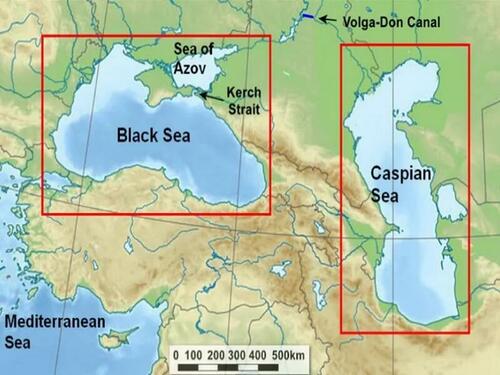
The 'Southern Front' Of The Ukrainian Conflict Is Heating Up
How this call is verified
▼ Bearish call was checked against the actual S&P 500 price 24h later: — Flat (+0.21%, below the ±0.3% bar).
Our record on calls like this
1,128 scored calls here, 46.7% right (±7.7pp). Always answering up would have scored 60.4% on the same rows. Paired within the same day and asset, our directional edge is +1.9 pp ± 4.3 — inside the error bar, i.e. indistinguishable from zero.
Bar: S&P 500 ±0.3% within 24h · every verdict lands on the public ledger
AI comment — why bearish
Heightened military activity in Ukraine's southern regions is contributing to a more uncertain geopolitical landscape, which could negatively influence overall market sentiment. This escalation brings renewed attention to the ongoing disruptions in energy and agricultural supply chains, exacerbating existing inflationary concerns and adding to global economic stability worries. An intensification of conflict in this area may lead to a decrease in investor willingness to take on risk, as capital potentially shifts towards assets perceived as more secure. Furthermore, the renewed emphasis on this conflict zone could introduce price fluctuations in commodity markets and affect currency exchange rates, illustrating the direct link between international events and the performance of financial instruments. As a result, the prospects for assets typically considered higher risk appear to be facing increased headwinds.
Key takeaway
"The 'Southern Front' Of The Ukrainian Conflict Is Heating Up" — BullBear's AI rates this story as a bearish (negative) signal for markets, with a market-impact score of 75 out of 100. That score reflects how strongly the story is likely to move Bitcoin, US equities, the dollar, and gold, and near-duplicate coverage of the same event is clustered so only the representative article is scored. Reported by ZeroHedge on July 28, 2026. The call is verified against the actual 24-hour price move on BullBear's public conviction ledger.
Catch the next bear flag
Telegram alerts when our AI scores a story 80+/100 impact (~1-3 per day, no spam). Verified 30d hit rate 45.2%.