Choose language / Korean

EN / 한
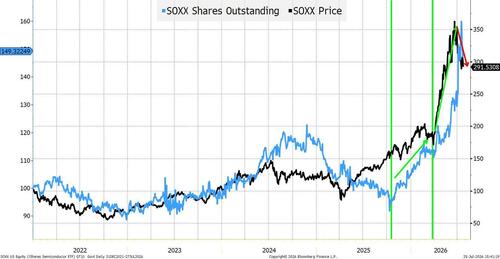
The Upcoming AI Spend Slowdown?
Bull/Bear Index 48.4/100
macro ▼ Bear Impact 75/100 ZeroHedge 5h ago Read original ↗

The Upcoming AI Spend Slowdown?

Concerns are rising about a potential slowdown in AI spending due to issues with electricity and computing resources. This could negatively impact the growth prospects of the AI industry.

How this call is verified

The ▼ Bearish call is auto-verified against the actual S&P 500 price in ~19h.

Bar: S&P 500 ±0.3% within 24h · every verdict lands on the public ledger

AI comment — why bearish

Observations suggest a possible moderation in the pace of artificial intelligence expenditure. This anticipated slowdown could influence equity markets, potentially tempering optimism surrounding growth-focused industries and prompting a re-examination of company valuations. Such a development may foster a more risk-averse market environment, as participants reconsider their investment strategies amidst decelerating technological advancement. This outlook is also consistent with prevailing macroeconomic considerations, including inflationary pressures and evolving interest rate environments, indicating that the significant growth in AI may be subject to broader economic cycles. As a result, investor sentiment could encounter challenges, potentially leading to a preference for more stable assets and a decreased inclination for highly speculative investments, which could, in turn, affect overall market liquidity and the speed at which capital is allocated.

Key takeaway

"The Upcoming AI Spend Slowdown?" — BullBear's AI rates this story as a bearish (negative) signal for markets, with a market-impact score of 75 out of 100. Concerns are rising about a potential slowdown in AI spending due to issues with electricity and computing resources. This could negatively impact the growth prospects of the AI industry. Observations suggest a possible moderation in the pace of artificial intelligence expenditure. This anticipated slowdown could influence equity markets, potentially tempering optimism surrounding growth-focused industries and prompting a re-examination of company valuations. Such a development may foster a more risk-averse market environment, as participants reconsider their investment strategies amidst decelerating technological advancement. This outlook is also consistent with prevailing macroeconomic considerations, including inflationary pressures and evolving interest rate environments, indicating that the significant growth in AI may be subject to broader economic cycles. As a result, investor sentiment could encounter challenges, potentially leading to a preference for more stable assets and a decreased inclination for highly speculative investments, which could, in turn, affect overall market liquidity and the speed at which capital is allocated. That score reflects how strongly the story is likely to move Bitcoin, US equities, the dollar, and gold, and near-duplicate coverage of the same event is clustered so only the representative article is scored. Reported by ZeroHedge on July 27, 2026. The call is verified against the actual 24-hour price move on BullBear's public conviction ledger.

Catch the next bear flag

Telegram alerts when our AI scores a story 80+/100 impact (~1-3 per day, no spam). Verified 30d hit rate 52.3%.

Join Telegram channel

📡 Tomorrow's Watch

Related news

▲ Bull
70/100
Google News Macroeconomics (EN) 1h ago

President Trump Calls for Federal Reserve to Lower Interest Rates - C-SPAN

Rewritten: Trump Urges Fed to Cut Interest Rates

Former President Trump has called for the Federal Reserve to lower interest rates.

Former President Trump's public advocacy for the Federal Reserve to reduce interest rates injects a familiar element of political pressure into monetary policy discussions. Such pronouncements, while not directly dictating Fed actions, can influence market sentiment by highlighting potential future policy shifts or signaling a desire for a more accommodative stance. This connects to the broader macro theme of economic growth versus inflation control, where lower rates are often seen as a stimulus for economic activity. Investor confidence can be indirectly affected as markets weigh the possibility of policy intervention against the Fed's stated independence. This dynamic may lead to a cautious increase in risk appetite if investors perceive a greater likelihood of supportive monetary conditions, though the actual impact hinges on the Fed's independent decision-making process.

Former President Trump's public advocacy for the Federal Reserve to reduce interest rates injects a familiar element of political pressure into monetary policy discussions. Such pronouncements, while not directly dictating Fed actions, can influence market sentiment by highlighting potential future policy shifts or signaling a desire for a more accommodative stance. This connects to the broader macro theme of economic growth versus inflation control, where lower rates are often seen as a stimulus for economic activity. Investor confidence can be indirectly affected as markets weigh the possibility of policy intervention against the Fed's stated independence. This dynamic may lead to a cautious increase in risk appetite if investors perceive a greater likelihood of supportive monetary conditions, though the actual impact hinges on the Fed's independent decision-making process.

#macro
▼ Bear
80/100
Google News Macroeconomics (EN) 1h ago

“Tariffs to Fill the Deficit”: Trump Pressures 60 Countries with Forced-Labor Duties, but Inflation and Higher Rates Could Backfire on US Finances

Rewritten: Tariffs on 60 countries may not fix deficit, risking inflation.

Former President Trump is pressuring 60 countries with forced-labor duties to fill the deficit, but this could backfire on U.S. finances through inflation and higher interest rates.

The imposition of forced-labor duties on a significant number of countries introduces a new layer of complexity to global trade dynamics, potentially disrupting supply chains and increasing input costs for U.S. businesses. This could fuel inflationary pressures, exacerbating existing concerns about the Federal Reserve's monetary policy trajectory and the sustainability of higher interest rates. Market sentiment may shift towards caution as investors assess the potential for retaliatory measures and the broader economic fallout from such protectionist actions. This development intersects with ongoing macro themes of deglobalization and the weaponization of trade policy, impacting investor confidence and potentially dampening risk appetite. The uncertainty surrounding the effectiveness of tariffs in addressing the fiscal deficit, juxtaposed with the risk of unintended consequences like higher inflation and slower economic growth, creates a challenging environment for portfolio allocation.

The imposition of forced-labor duties on a significant number of countries introduces a new layer of complexity to global trade dynamics, potentially disrupting supply chains and increasing input costs for U.S. businesses. This could fuel inflationary pressures, exacerbating existing concerns about the Federal Reserve's monetary policy trajectory and the sustainability of higher interest rates. Market sentiment may shift towards caution as investors assess the potential for retaliatory measures and the broader economic fallout from such protectionist actions. This development intersects with ongoing macro themes of deglobalization and the weaponization of trade policy, impacting investor confidence and potentially dampening risk appetite. The uncertainty surrounding the effectiveness of tariffs in addressing the fiscal deficit, juxtaposed with the risk of unintended consequences like higher inflation and slower economic growth, creates a challenging environment for portfolio allocation.

#macro
30/100
ZeroHedge 1h ago

Cracker Barrel Dumps CEO After Woke Logo Fiasco

Cracker Barrel has fired its CEO following a failed 'woke' rebranding attempt, highlighting issues with brand stewardship and raising uncertainty about the company's future.

#macro