Choose language / Korean

EN / 한
Why bond investors are pushing up some of your interest rates - CNBC
Bull/Bear Index 43.8/100
macro ▼ Bear Impact 75/100 Google News Macroecon... 1h ago Read original ↗

Why bond investors are pushing up some of your interest rates - CNBC

Explains why bond investors are pushing up some interest rates.

How this call is verified

The ▼ Bearish call is auto-verified against the actual S&P 500 price in ~23h.

Bar: S&P 500 ±0.3% within 24h · every verdict lands on the public ledger

AI comment — why bearish

The current market environment is characterized by a notable increase in bond yields, a phenomenon largely attributed to investors seeking enhanced returns. This trend suggests a potential reassessment of risk premiums across various investment categories. As the cost of borrowing rises, it may trigger a broader repricing of assets, potentially affecting the valuations of companies and influencing sentiment within equity markets. Underlying economic factors, including ongoing inflationary pressures and the Federal Reserve's assertive monetary policy, appear to be significant drivers of this bond market activity. Consequently, a more cautious investor outlook may emerge, potentially diminishing the appeal of higher-risk investments as capital gravitates towards the comparatively secure and more rewarding opportunities available in the fixed-income sector. This scenario underscores the importance of evaluating portfolio robustness and making strategic adjustments to navigate a landscape of persistently elevated interest rates.

Key takeaway

"Why bond investors are pushing up some of your interest rates - CNBC" — BullBear's AI rates this story as a bearish (negative) signal for markets, with a market-impact score of 75 out of 100. Explains why bond investors are pushing up some interest rates. The current market environment is characterized by a notable increase in bond yields, a phenomenon largely attributed to investors seeking enhanced returns. This trend suggests a potential reassessment of risk premiums across various investment categories. As the cost of borrowing rises, it may trigger a broader repricing of assets, potentially affecting the valuations of companies and influencing sentiment within equity markets. Underlying economic factors, including ongoing inflationary pressures and the Federal Reserve's assertive monetary policy, appear to be significant drivers of this bond market activity. Consequently, a more cautious investor outlook may emerge, potentially diminishing the appeal of higher-risk investments as capital gravitates towards the comparatively secure and more rewarding opportunities available in the fixed-income sector. This scenario underscores the importance of evaluating portfolio robustness and making strategic adjustments to navigate a landscape of persistently elevated interest rates. That score reflects how strongly the story is likely to move Bitcoin, US equities, the dollar, and gold, and near-duplicate coverage of the same event is clustered so only the representative article is scored. Reported by Google News Macroeconomics (EN) on July 24, 2026. The call is verified against the actual 24-hour price move on BullBear's public conviction ledger.

Catch the next bear flag

Telegram alerts when our AI scores a story 80+/100 impact (~1-3 per day, no spam). Verified 30d hit rate 53.0%.

Join Telegram channel

📡 Tomorrow's Watch

Related news

▼ Bear
85/100
Google News Macroeconomics (EN) 1h ago

Market Anticipates Fed Rate Hike Amid Rising Inflation Pressure - GuruFocus

Rewritten: Markets expect Fed rate hike due to inflation.

The market anticipates a Federal Reserve rate hike amidst rising inflation pressure.

The prevailing sentiment suggests an increased likelihood of the Federal Reserve implementing an interest rate increase, a direct response to sustained inflationary pressures. This anticipated policy adjustment is poised to influence market dynamics, potentially moderating speculative activity and fostering a more risk-averse environment. Investors are likely to re-evaluate asset valuations and future economic prospects in light of this evolving monetary policy stance. The global economic narrative is increasingly centered on the implications of monetary tightening, as central banks aim to address rising price levels. This environment may lead to a recalibration of investor confidence, potentially reducing the appeal of higher-risk investments as borrowing costs rise and the relative attractiveness of more conservative assets improves. Consequently, market participants are closely observing the central bank's communication regarding its strategy for managing inflation without inducing a substantial economic contraction.

The prevailing sentiment suggests an increased likelihood of the Federal Reserve implementing an interest rate increase, a direct response to sustained inflationary pressures. This anticipated policy adjustment is poised to influence market dynamics, potentially moderating speculative activity and fostering a more risk-averse environment. Investors are likely to re-evaluate asset valuations and future economic prospects in light of this evolving monetary policy stance. The global economic narrative is increasingly centered on the implications of monetary tightening, as central banks aim to address rising price levels. This environment may lead to a recalibration of investor confidence, potentially reducing the appeal of higher-risk investments as borrowing costs rise and the relative attractiveness of more conservative assets improves. Consequently, market participants are closely observing the central bank's communication regarding its strategy for managing inflation without inducing a substantial economic contraction.

#macro
▼ Bear
80/100
Google News Macroeconomics (EN) 1h ago

Economic environment doesn't lend itself to Fed's 2% inflation target: Fifth Third's Korzenik - CNBC

Rewritten: Fifth Third economist doubts Fed's 2% inflation goal achievable.

Fifth Third's Korzenik stated that the current economic environment is not conducive to the Fed's 2% inflation target.

This commentary from Fifth Third's Korzenik suggests a persistent divergence between current economic realities and the Federal Reserve's inflation goals, potentially signaling a prolonged period of economic adjustment. For the broader market, this implies a continued environment where traditional monetary policy tools may prove less effective, leading to increased volatility and a search for alternative investment strategies. Market sentiment could lean towards caution as investors grapple with the possibility of inflation remaining elevated, impacting corporate earnings expectations and valuations across sectors. This aligns with macro themes of supply chain resilience, geopolitical instability, and the ongoing energy transition, all of which contribute to price pressures that are difficult to tame solely through interest rate hikes. Consequently, investor confidence may be tested, potentially dampening risk appetite as the path to achieving the Fed's target appears more complex and protracted than initially anticipated.

This commentary from Fifth Third's Korzenik suggests a persistent divergence between current economic realities and the Federal Reserve's inflation goals, potentially signaling a prolonged period of economic adjustment. For the broader market, this implies a continued environment where traditional monetary policy tools may prove less effective, leading to increased volatility and a search for alternative investment strategies. Market sentiment could lean towards caution as investors grapple with the possibility of inflation remaining elevated, impacting corporate earnings expectations and valuations across sectors. This aligns with macro themes of supply chain resilience, geopolitical instability, and the ongoing energy transition, all of which contribute to price pressures that are difficult to tame solely through interest rate hikes. Consequently, investor confidence may be tested, potentially dampening risk appetite as the path to achieving the Fed's target appears more complex and protracted than initially anticipated.

#macro
▼ Bear
75/100
ZeroHedge 2h ago

Oil Tanker Makes Red Sea U-Turn After Houthi Threats, Reroutes Around Africa In Costly Transit

Rewritten: Oil tanker avoids Red Sea, sails around Africa after threats.

An oil tanker rerouted around Africa to avoid Houthi threats in the Red Sea, highlighting escalating geopolitical tensions and the potential for significantly higher energy prices if critical shipping lanes like the Strait of Hormuz remain impaired.

The rerouting of an oil tanker around Africa due to threats in a critical waterway highlights ongoing geopolitical instability and its tangible impact on global supply chains. This event, a direct consequence of escalating regional tensions, introduces significant uncertainty into energy markets. The extended transit around the African continent is expected to increase shipping costs, which could contribute to broader inflationary pressures. Such disruptions can negatively influence market sentiment, fostering a more risk-averse environment as participants assess the potential effects on corporate profitability and overall economic expansion. This incident reinforces macroeconomic considerations regarding the increasing costs associated with maintaining secure trade routes and the potential for a shift towards more localized or regionalized supply networks, which could temper investor confidence and reduce risk appetite, especially for industries dependent on predictable maritime logistics.

The rerouting of an oil tanker around Africa due to threats in a critical waterway highlights ongoing geopolitical instability and its tangible impact on global supply chains. This event, a direct consequence of escalating regional tensions, introduces significant uncertainty into energy markets. The extended transit around the African continent is expected to increase shipping costs, which could contribute to broader inflationary pressures. Such disruptions can negatively influence market sentiment, fostering a more risk-averse environment as participants assess the potential effects on corporate profitability and overall economic expansion. This incident reinforces macroeconomic considerations regarding the increasing costs associated with maintaining secure trade routes and the potential for a shift towards more localized or regionalized supply networks, which could temper investor confidence and reduce risk appetite, especially for industries dependent on predictable maritime logistics.

#macro
▼ Bear
85/100
Google News Macroeconomics (EN) 2h ago

War and Tariffs Threaten a Resilient U.S. Economy Again - The New York Times

Rewritten: War and tariffs challenge U.S. economic resilience.

Geopolitical conflicts and trade tariffs are posing renewed threats to the resilient U.S. economy.

The confluence of escalating geopolitical conflicts and the resurgence of trade barriers presents a considerable challenge to the U.S. economic landscape. These factors can destabilize intricate global supply networks, leading to elevated operational expenses for corporations across industries. This heightened atmosphere of unpredictability is anticipated to dampen market optimism, fostering a more conservative perspective among financial participants. Such events serve as a stark reminder of the profound impact that international macroeconomic forces have on domestic economic vitality, emphasizing the critical, yet vulnerable, role of global stability in achieving enduring economic expansion. As a result, investor assurance may diminish, potentially prompting a shift away from speculative investments towards assets considered more secure. The combination of international instability and protectionist measures creates a multifaceted operational context, necessitating a thorough evaluation of potential disruptions and their widespread consequences throughout the economy.

The confluence of escalating geopolitical conflicts and the resurgence of trade barriers presents a considerable challenge to the U.S. economic landscape. These factors can destabilize intricate global supply networks, leading to elevated operational expenses for corporations across industries. This heightened atmosphere of unpredictability is anticipated to dampen market optimism, fostering a more conservative perspective among financial participants. Such events serve as a stark reminder of the profound impact that international macroeconomic forces have on domestic economic vitality, emphasizing the critical, yet vulnerable, role of global stability in achieving enduring economic expansion. As a result, investor assurance may diminish, potentially prompting a shift away from speculative investments towards assets considered more secure. The combination of international instability and protectionist measures creates a multifaceted operational context, necessitating a thorough evaluation of potential disruptions and their widespread consequences throughout the economy.

#macro
▼ Bear
90/100
Google News Macroeconomics (EN) 2h ago

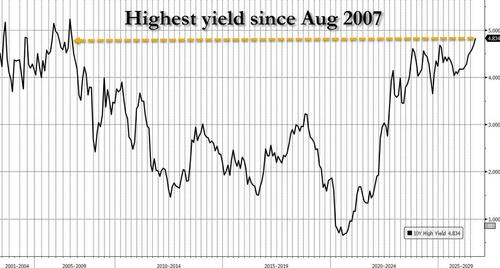
Global Bond Yields Hit Highest Since 2008 as Brent Surges Above $100 - TradingView

Rewritten: Global bond yields reach 15-year high; Brent crude exceeds $100.

Global bond yields have reached their highest levels since 2008, with Brent crude oil surging above $100 per barrel.

The surge in global bond yields to levels not seen since 2008, coupled with Brent crude oil surpassing the $100 mark, signals a significant shift in the macroeconomic landscape. This confluence of events suggests a persistent inflationary environment, forcing central banks to maintain or even accelerate their hawkish stances to curb rising prices. Consequently, market sentiment is likely to lean towards caution, as higher borrowing costs and energy price volatility dampen corporate earnings prospects and consumer spending power. Investors may find themselves reassessing risk premiums, potentially leading to a reduced appetite for riskier assets and a greater preference for safer havens. This environment challenges the narrative of a swift economic recovery and introduces headwinds for growth-oriented investments, impacting overall investor confidence.

The surge in global bond yields to levels not seen since 2008, coupled with Brent crude oil surpassing the $100 mark, signals a significant shift in the macroeconomic landscape. This confluence of events suggests a persistent inflationary environment, forcing central banks to maintain or even accelerate their hawkish stances to curb rising prices. Consequently, market sentiment is likely to lean towards caution, as higher borrowing costs and energy price volatility dampen corporate earnings prospects and consumer spending power. Investors may find themselves reassessing risk premiums, potentially leading to a reduced appetite for riskier assets and a greater preference for safer havens. This environment challenges the narrative of a swift economic recovery and introduces headwinds for growth-oriented investments, impacting overall investor confidence.

#macro
▼ Bear
85/100
Google News Macroeconomics (EN) 3h ago

Kevin Warsh Said the Fed Has "No Tolerance" for Inflation and Is Charting a "New Course" on Monetary Policy. J.P. Morgan Analysts Expect Rates to Hold Steady Through 2026.

Rewritten: Warsh: Fed targets inflation, charts new policy. Rates steady to 2026.

Kevin Warsh stated the Fed has "no tolerance" for inflation and is charting a "new course" on monetary policy. J.P. Morgan analysts expect rates to hold steady through 2026.

The commentary from a former Federal Reserve official, emphasizing a firm stance against inflation and a shift in monetary strategy, alongside an analysis from a major financial institution forecasting unchanged interest rates until 2026, indicates a sustained period of tighter financial conditions. This projected environment could foster a more subdued market mood, potentially leading to a reduced inclination for risk-taking as market participants factor in extended elevated borrowing expenses. This aligns with broader macroeconomic discussions surrounding persistent inflationary pressures and the central bank's dedication to restoring price equilibrium. Consequently, this outlook might diminish enthusiasm for companies with high growth valuations and industries particularly susceptible to rising interest rates, potentially increasing the appeal of more conservative investments and contributing to market fluctuations as the implications of this more restrictive policy approach are assessed.

The commentary from a former Federal Reserve official, emphasizing a firm stance against inflation and a shift in monetary strategy, alongside an analysis from a major financial institution forecasting unchanged interest rates until 2026, indicates a sustained period of tighter financial conditions. This projected environment could foster a more subdued market mood, potentially leading to a reduced inclination for risk-taking as market participants factor in extended elevated borrowing expenses. This aligns with broader macroeconomic discussions surrounding persistent inflationary pressures and the central bank's dedication to restoring price equilibrium. Consequently, this outlook might diminish enthusiasm for companies with high growth valuations and industries particularly susceptible to rising interest rates, potentially increasing the appeal of more conservative investments and contributing to market fluctuations as the implications of this more restrictive policy approach are assessed.

#macro