Asian stocks skid as oil spike revives inflation fears, bonds take a hit - chinadailyasia.com
How this call is verified
▼ Bearish call was checked against the actual S&P 500 price 24h later: — Flat (+0.05%, below the ±0.3% bar).
Our record on calls like this
1,105 scored calls here, 46.2% right (±7.8pp). Always answering up would have scored 61.0% on the same rows. Paired within the same day and asset, our directional edge is +0.9 pp ± 3.9 — inside the error bar, i.e. indistinguishable from zero.
Bar: S&P 500 ±0.3% within 24h · every verdict lands on the public ledger
AI comment — why bearish
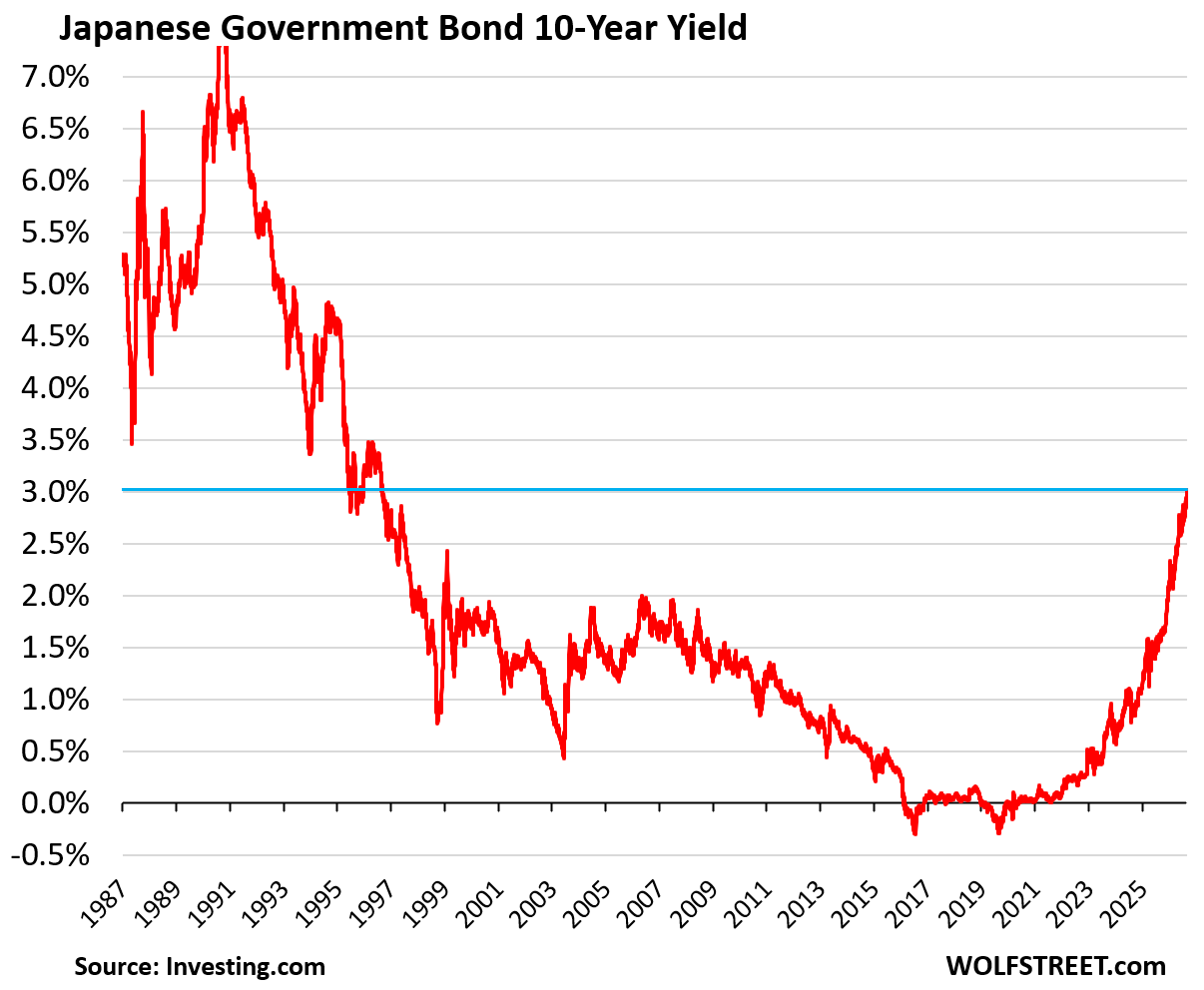
The recent escalation in oil prices is casting a shadow over Asian equity markets, signaling a potential resurgence of inflationary concerns. This upward pressure on energy costs is likely to temper investor enthusiasm, redirecting attention from economic expansion to the implications of escalating prices on profitability and consumer purchasing power. The ripple effects extend to broader macroeconomic considerations, as energy price volatility can strain global supply networks and amplify expectations of monetary policy tightening by central banks. Such a scenario could precipitate an increase in borrowing costs, thereby diminishing investor confidence and prompting a more cautious approach to risk. Consequently, market participants may gravitate towards less volatile assets, leading to a reassessment of investment strategies and potentially fostering increased price fluctuations across various financial instruments.
Key takeaway
"Asian stocks skid as oil spike revives inflation fears, bonds take a hit - chinadailyasia.com" — BullBear's AI rates this story as a bearish (negative) signal for markets, with a market-impact score of 85 out of 100. That score reflects how strongly the story is likely to move Bitcoin, US equities, the dollar, and gold, and near-duplicate coverage of the same event is clustered so only the representative article is scored. Reported by Google News Macroeconomics (EN) on July 24, 2026. The call is verified against the actual 24-hour price move on BullBear's public conviction ledger.
3 more reports on this event
Catch the next bear flag
Telegram alerts when our AI scores a story 80+/100 impact (~1-3 per day, no spam). Verified 30d hit rate 41.2%.