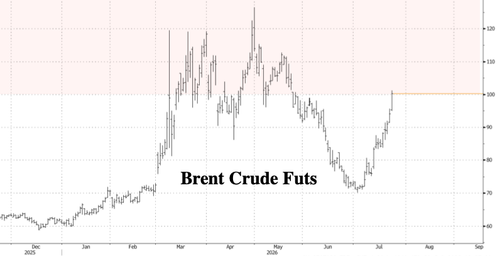
Seven Pipeline Projects That Could Break Iran's Grip On Hormuz Chokepoint
How this call is verified
▼ Bearish call was checked against the actual S&P 500 price 24h later: — Flat (+0.05%, below the ±0.3% bar).
Our record on calls like this
1,104 scored calls here, 46.3% right (±7.8pp). Always answering up would have scored 61.0% on the same rows. Paired within the same day and asset, our directional edge is +0.9 pp ± 3.9 — inside the error bar, i.e. indistinguishable from zero.
Bar: S&P 500 ±0.3% within 24h · every verdict lands on the public ledger
AI comment — why bearish
Developments in alternative energy transit routes, particularly those bypassing the Strait of Hormuz, carry significant implications for global energy markets and geopolitical stability. The successful implementation of these seven pipeline projects could diminish the strategic leverage of Iran, potentially leading to a recalibration of oil prices and a reduction in supply chain vulnerabilities. This shift in energy logistics could foster a more diversified and resilient energy landscape, influencing market sentiment by reducing perceived risk premiums associated with the chokepoint. Such progress aligns with broader macro themes of energy independence and the diversification of supply routes, potentially bolstering investor confidence in regions less reliant on traditional maritime transit. Consequently, this could encourage a greater appetite for risk in energy-related investments, as the perceived threat of supply disruptions from a single, critical maritime passage diminishes.
Key takeaway
"Seven Pipeline Projects That Could Break Iran's Grip On Hormuz Chokepoint" — BullBear's AI rates this story as a bearish (negative) signal for markets, with a market-impact score of 90 out of 100. That score reflects how strongly the story is likely to move Bitcoin, US equities, the dollar, and gold, and near-duplicate coverage of the same event is clustered so only the representative article is scored. Reported by ZeroHedge on July 23, 2026. The call is verified against the actual 24-hour price move on BullBear's public conviction ledger.
Catch the next bear flag
Telegram alerts when our AI scores a story 80+/100 impact (~1-3 per day, no spam). Verified 30d hit rate 41.7%.