Choose language / Korean

EN / 한
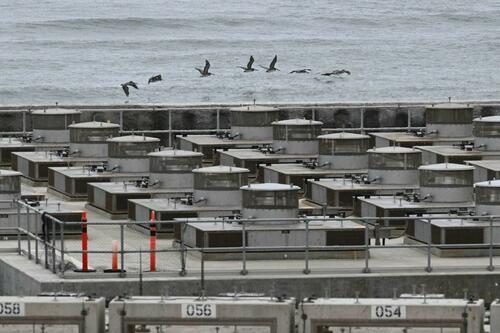
US Lays Groundwork For Approving Offshore Nuclear Power Projects
Bull/Bear Index 47.4/100
macro ▲ Bull Impact 75/100 ZeroHedge 20d ago Read original ↗

US Lays Groundwork For Approving Offshore Nuclear Power Projects

How this call is verified

▲ Bullish call was checked against the actual S&P 500 price 24h later: ✓ Hit (+0.48%).

Our record on calls like this

1,242 scored calls here, 46.4% right (±9.4pp). Always answering up would have scored 62.3% — so we are -15.9pp.

Bar: S&P 500 ±0.3% within 24h · every verdict lands on the public ledger

AI comment — why bullish

The United States government's engagement with the concept of offshore nuclear power represents a notable evolution in energy strategy, potentially creating new avenues for capital deployment across the renewable energy and infrastructure industries. This initiative may contribute to a more positive market outlook by demonstrating a commitment to addressing energy security concerns and climate objectives, resonating with overarching trends in decarbonization and technological advancement. Enhanced official backing for emerging energy technologies such as offshore nuclear could elevate investor assurance, potentially stimulating increased interest in substantial, long-term investments. The emergence of a novel, large-scale clean energy generation capability could influence investment considerations for companies operating in sectors including utilities, advanced manufacturing, and specialized engineering services pertinent to these endeavors.

Key takeaway

"US Lays Groundwork For Approving Offshore Nuclear Power Projects" — BullBear's AI rates this story as a bullish (positive) signal for markets, with a market-impact score of 75 out of 100. The United States government's engagement with the concept of offshore nuclear power represents a notable evolution in energy strategy, potentially creating new avenues for capital deployment across the renewable energy and infrastructure industries. This initiative may contribute to a more positive market outlook by demonstrating a commitment to addressing energy security concerns and climate objectives, resonating with overarching trends in decarbonization and technological advancement. Enhanced official backing for emerging energy technologies such as offshore nuclear could elevate investor assurance, potentially stimulating increased interest in substantial, long-term investments. The emergence of a novel, large-scale clean energy generation capability could influence investment considerations for companies operating in sectors including utilities, advanced manufacturing, and specialized engineering services pertinent to these endeavors. That score reflects how strongly the story is likely to move Bitcoin, US equities, the dollar, and gold, and near-duplicate coverage of the same event is clustered so only the representative article is scored. Reported by ZeroHedge on July 23, 2026. The call is verified against the actual 24-hour price move on BullBear's public conviction ledger.

Catch the next bull catalyst

Telegram alerts when our AI scores a story 80+/100 impact (~1-3 per day, no spam). Verified 30d hit rate 49.2%.

Join Telegram channel

📡 Tomorrow's Watch

Related news

ZeroHedge 3h ago

Norway $2.3 Trillion Wealth Fund Posts Record-High Profit in H1

Norway $2.3 Trillion Wealth Fund Posts Record-High Profit in H1 By Michael Kern of OilPrice.com The world’s biggest sovereign wealth fund, Norway’s $2.3-trillion Government Pension Fund Global, posted a record-high profit of $185 billion for the first half of 2026, as Asian technology stocks boosted its returns and profit on the portfolio. Norway’s Government Pension Fund Global (GPFG), which is commonly referred to as 'Norway's oil fund' because it was created with oil and gas revenues, is a shareholder in many large companies in the world, with more than half of the value of its equity investments in the U.S. market. The Norwegian fund was created in the 1990s, and today it holds, on average, 1.5% of all listed companies in the world. For the first half of the year, the fund posted

#macro
▼ Bear
85/100
MishTalk 14h ago

Look Ahead Inflation Numbers Do Not Support a Fed Pause in September

Rewritten: Upcoming inflation data doesn't support Fed September pause

Persistent near-term inflation readings challenge expectations of a September Federal Reserve pause, reinforcing the likelihood of extended monetary policy restraint. This dynamic exerts downward pressure on equity valuations as higher-for-longer interest rates elevate discount rates within valuation models, diminishing the appeal of risk assets. Market participants have adjusted near-term rate cut probabilities downward, increasing hedging activity across portfolios. The prevailing macro narrative of prolonged restrictive policy directly conflicts with emerging hopes for an imminent easing cycle, weakening investor confidence. Consequently, risk appetite across equity and credit markets has diminished as the trajectory toward rate reductions appears less certain. This divergence between current inflation data and anticipated central bank action fuels volatility, particularly within interest-rate sensitive segments like technology and utilities, solidifying a bearish outlook for near-term market momentum. (158 words)

Persistent near-term inflation readings challenge expectations of a September Federal Reserve pause, reinforcing the likelihood of extended monetary policy restraint. This dynamic exerts downward pressure on equity valuations as higher-for-longer interest rates elevate discount rates within valuation models, diminishing the appeal of risk assets. Market participants have adjusted near-term rate cut probabilities downward, increasing hedging activity across portfolios. The prevailing macro narrative of prolonged restrictive policy directly conflicts with emerging hopes for an imminent easing cycle, weakening investor confidence. Consequently, risk appetite across equity and credit markets has diminished as the trajectory toward rate reductions appears less certain. This divergence between current inflation data and anticipated central bank action fuels volatility, particularly within interest-rate sensitive segments like technology and utilities, solidifying a bearish outlook for near-term market momentum. (158 words)

#macro
▲ Bull
📡 +1 70/100
Wolf Street 17h ago

CPI Dragged Down by Energy, Hotels & Motels (Shelter), Auto Insurance, and Meat (Finally)

Rewritten: CPI Lowered by Falling Energy, Shelter, Auto Insurance, and Meat Prices

Recent declines in core CPI components—particularly energy, shelter (encompassing hotels and motels), auto insurance, and meat—indicate broad-based moderation in inflation, extending beyond temporary factors. These categories represent significant, persistent drivers of price pressures, making their easing noteworthy. This trend diminishes near-term urgency for the Federal Reserve to sustain restrictive monetary policy, potentially accelerating market expectations for rate cuts later in 2024. The data reinforces a broader macroeconomic shift where inflation appears to be cooling sustainably, weakening the rationale for prolonged "higher for longer" policy. Consequently, reduced inflation concerns bolster confidence in economic growth trajectories, enhancing risk appetite across equity markets and interest-rate sensitive sectors. This clearer path to monetary easing supports a more favorable environment for broader risk assets, reflecting a structural shift in the inflation outlook rather than a temporary dip. (148 words)

Recent declines in core CPI components—particularly energy, shelter (encompassing hotels and motels), auto insurance, and meat—indicate broad-based moderation in inflation, extending beyond temporary factors. These categories represent significant, persistent drivers of price pressures, making their easing noteworthy. This trend diminishes near-term urgency for the Federal Reserve to sustain restrictive monetary policy, potentially accelerating market expectations for rate cuts later in 2024. The data reinforces a broader macroeconomic shift where inflation appears to be cooling sustainably, weakening the rationale for prolonged "higher for longer" policy. Consequently, reduced inflation concerns bolster confidence in economic growth trajectories, enhancing risk appetite across equity markets and interest-rate sensitive sectors. This clearer path to monetary easing supports a more favorable environment for broader risk assets, reflecting a structural shift in the inflation outlook rather than a temporary dip. (148 words)

#macro