Choose language / Korean

The US Federal Reserve needs to tighten monetary policy - The Business Times
Bull/Bear Index 47.1/100
macro ▼ Bear Impact 85/100 Google News Macroecon... 12h ago Read original ↗

The US Federal Reserve needs to tighten monetary policy - The Business Times

The US Federal Reserve needs to tighten monetary policy. - The Business Times

AI Insight

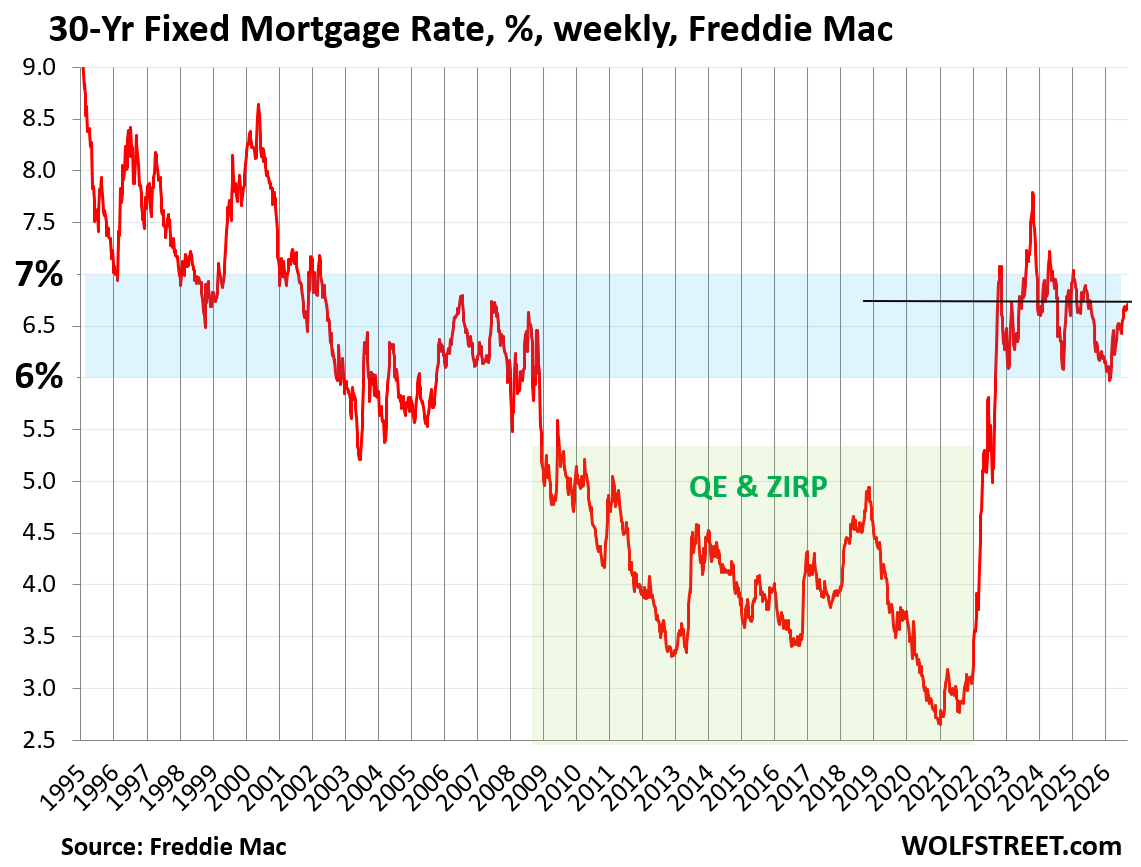
A call for tighter monetary policy from the US Federal Reserve signals a potential shift in the economic landscape, carrying significant implications for broader markets. Such a stance suggests a proactive approach to managing inflationary pressures, which could lead to increased borrowing costs and a deceleration in economic growth. This development is likely to dampen market sentiment, fostering a more cautious outlook among investors. The connection to macro themes is evident, as central bank actions directly influence global liquidity and the cost of capital. Consequently, investor confidence may wane, leading to a reduced risk appetite as assets perceived as riskier come under pressure. The anticipation of tighter policy can trigger a recalibration of valuations across asset classes, potentially favoring more defensive strategies.

Key takeaway

"The US Federal Reserve needs to tighten monetary policy - The Business Times" — BullBear's AI rates this story as a bearish (negative) signal for markets, with a market-impact score of 85 out of 100. The US Federal Reserve needs to tighten monetary policy. - The Business Times A call for tighter monetary policy from the US Federal Reserve signals a potential shift in the economic landscape, carrying significant implications for broader markets. Such a stance suggests a proactive approach to managing inflationary pressures, which could lead to increased borrowing costs and a deceleration in economic growth. This development is likely to dampen market sentiment, fostering a more cautious outlook among investors. The connection to macro themes is evident, as central bank actions directly influence global liquidity and the cost of capital. Consequently, investor confidence may wane, leading to a reduced risk appetite as assets perceived as riskier come under pressure. The anticipation of tighter policy can trigger a recalibration of valuations across asset classes, potentially favoring more defensive strategies. That score reflects how strongly the story is likely to move Bitcoin, US equities, the dollar, and gold, and near-duplicate coverage of the same event is clustered so only the representative article is scored. Reported by Google News Macroeconomics (EN) on July 21, 2026. The call is verified against the actual 24-hour price move on BullBear's public conviction ledger.

Catch the next bear flag

Telegram alerts when our AI scores a story 80+/100 impact (~1-3 per day, no spam). Verified 30d hit rate 52.3%.

Join Telegram channel

📡 Tomorrow's Watch

Related news

▲ Bull
75/100
Google News Macroeconomics (EN) 2h ago

NVIDIA and Amazon: 2 Growth Stocks to Buy as Inflation Eases

Rewritten: Here are a few options, keeping the meaning and constraints: * NVIDIA,

NVIDIA and Amazon: 2 Growth Stocks to Buy as Inflation Eases

The observed easing of inflationary pressures suggests a potential recalibration of market focus towards growth-oriented equities. This environment, where the erosion of purchasing power is less pronounced, may foster increased investor confidence and a greater willingness to engage with assets offering long-term appreciation potential. Companies demonstrating consistent innovation and a capacity to capture expanding market segments are often well-positioned to benefit from such a macroeconomic shift. A reduction in inflation can lead to a more favorable climate for capital deployment into sectors like technology and e-commerce, potentially supporting sustained expansion and a more positive outlook for businesses with robust growth trajectories. This dynamic may encourage a reallocation of investment capital towards companies perceived to be at the forefront of future economic development.

The observed easing of inflationary pressures suggests a potential recalibration of market focus towards growth-oriented equities. This environment, where the erosion of purchasing power is less pronounced, may foster increased investor confidence and a greater willingness to engage with assets offering long-term appreciation potential. Companies demonstrating consistent innovation and a capacity to capture expanding market segments are often well-positioned to benefit from such a macroeconomic shift. A reduction in inflation can lead to a more favorable climate for capital deployment into sectors like technology and e-commerce, potentially supporting sustained expansion and a more positive outlook for businesses with robust growth trajectories. This dynamic may encourage a reallocation of investment capital towards companies perceived to be at the forefront of future economic development.

#macro
▲ Bull
80/100
Google News Macroeconomics (EN) 2h ago

Dollar Strengthens Amid Middle East Tension and Inflation Concerns

Rewritten: Here are a few options, keeping the meaning and constraints: * Dollar

The US dollar is strengthening due to rising tensions in the Middle East and ongoing inflation concerns.

Geopolitical tensions in the Middle East, alongside ongoing concerns about inflation, are prompting a defensive shift in investor sentiment. This climate often leads to increased demand for assets considered safe havens, which in turn can bolster the value of the U.S. dollar as a perceived store of stability. Such a dynamic can temper overall market enthusiasm, encouraging a reduction in risk-taking and a move away from more speculative investments. The combined influence of these macroeconomic factors points to a cautious market outlook, potentially affecting investor confidence and fostering a preference for assets with lower volatility. This may result in a reallocation of capital towards economies and currencies viewed as more resilient to immediate global uncertainties, thereby supporting the dollar's appreciation.

Geopolitical tensions in the Middle East, alongside ongoing concerns about inflation, are prompting a defensive shift in investor sentiment. This climate often leads to increased demand for assets considered safe havens, which in turn can bolster the value of the U.S. dollar as a perceived store of stability. Such a dynamic can temper overall market enthusiasm, encouraging a reduction in risk-taking and a move away from more speculative investments. The combined influence of these macroeconomic factors points to a cautious market outlook, potentially affecting investor confidence and fostering a preference for assets with lower volatility. This may result in a reallocation of capital towards economies and currencies viewed as more resilient to immediate global uncertainties, thereby supporting the dollar's appreciation.

#macro