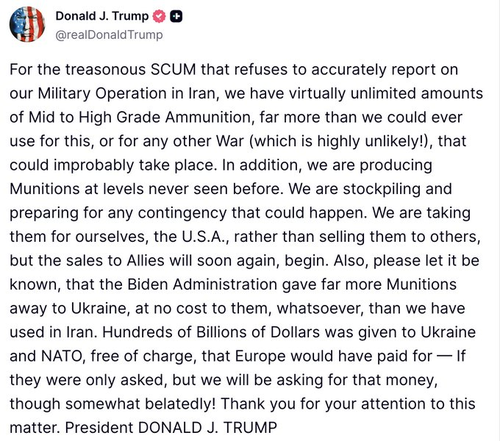
Gold slips below $4,000 as Iran conflict stokes Fed inflation concerns
How this call is verified
▼ Bearish call was checked against the actual S&P 500 price 24h later: — Flat (-0.19%, below the ±0.3% bar).
Our record on calls like this
1,108 scored calls here, 46.1% right (±7.8pp). Always answering up would have scored 61.1% on the same rows. Paired within the same day and asset, our directional edge is +0.9 pp ± 3.9 — inside the error bar, i.e. indistinguishable from zero.
Bar: S&P 500 ±0.3% within 24h · every verdict lands on the public ledger
AI comment — why bearish
The recent dip in gold prices below the $4,000 mark, coinciding with escalating geopolitical tensions involving Iran, introduces a complex dynamic for investors. While traditionally a safe-haven asset, gold's retreat suggests that broader market sentiment may be shifting, prioritizing concerns over potential Federal Reserve policy responses to inflation over immediate geopolitical risk. This disconnect points to a growing apprehension that persistent inflationary pressures, potentially exacerbated by energy supply disruptions stemming from the conflict, could force the Fed into more aggressive tightening. Such a scenario typically dampens investor confidence and reduces risk appetite across asset classes, as the prospect of higher interest rates weighs on corporate earnings and economic growth. The market appears to be grappling with the dual threat of geopolitical instability and the specter of stagflation, leading to a cautious outlook and a potential recalibration of portfolio allocations.
Key takeaway
"Gold slips below $4,000 as Iran conflict stokes Fed inflation concerns" — BullBear's AI rates this story as a bearish (negative) signal for markets, with a market-impact score of 85 out of 100. That score reflects how strongly the story is likely to move Bitcoin, US equities, the dollar, and gold, and near-duplicate coverage of the same event is clustered so only the representative article is scored. Reported by Google News Macroeconomics (EN) on July 20, 2026. The call is verified against the actual 24-hour price move on BullBear's public conviction ledger.
1 more report on this event
Catch the next bear flag
Telegram alerts when our AI scores a story 80+/100 impact (~1-3 per day, no spam). Verified 30d hit rate 40.0%.