Choose language / Korean

EN / 한
James Carville Has Major Freakout Over The Socialist Wing Of The Party
Bull/Bear Index 46.0/100
macro ▼ Bear Impact 60/100 ZeroHedge Jul 12, 2026 Read original ↗

James Carville Has Major Freakout Over The Socialist Wing Of The Party

How this call is verified

▼ Bearish call was checked against the actual S&P 500 price 24h later: ✓ Hit (-0.79%).

Our record on calls like this

1,284 scored calls here, 46.8% right (±9.2pp). Always answering up would have scored 61.8% — so we are -15.0pp.

Bar: S&P 500 ±0.3% within 24h · every verdict lands on the public ledger

Key takeaway

"James Carville Has Major Freakout Over The Socialist Wing Of The Party" — BullBear's AI rates this story as a bearish (negative) signal for markets, with a market-impact score of 60 out of 100. Reported by ZeroHedge on July 12, 2026. The call is verified against the actual 24-hour price move on BullBear's public conviction ledger.

Catch the next bear flag

Telegram alerts when our AI scores a story 80+/100 impact (~1-3 per day, no spam). Verified 30d hit rate 43.3%.


Join Telegram channel

📡 Tomorrow's Watch

Related news

▼ Bear
60/100
ZeroHedge 5h ago

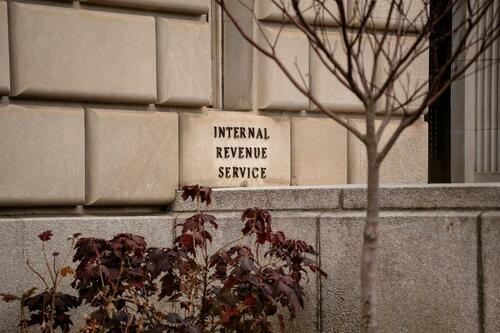
IRS Announces 7 Percent Interest Rate For Overpayments And Underpayments

Rewritten: IRS Sets 7% Interest on Overpayments and Underpayments

The IRS's decision to set a 7 percent interest rate for both overpayments and underpayments introduces a modest cost of capital for taxpayers, which can ripple through corporate cash‑flow planning and, by extension, equity valuations. Higher financing charges on tax refunds may tighten liquidity for firms that rely on timely refunds to fund operations, nudging earnings forecasts lower and tempering bullish sentiment in sectors sensitive to cash constraints. In a macro environment already marked by rising rates and inflationary pressures, the policy underscores the broader theme of fiscal tightening and the incremental burden on balance sheets. Consequently, investor confidence may wane slightly as risk‑adjusted returns are reassessed, prompting a modest shift toward more defensive assets and a cautious stance on high‑growth, leverage‑heavy stocks.

The IRS's decision to set a 7 percent interest rate for both overpayments and underpayments introduces a modest cost of capital for taxpayers, which can ripple through corporate cash‑flow planning and, by extension, equity valuations. Higher financing charges on tax refunds may tighten liquidity for firms that rely on timely refunds to fund operations, nudging earnings forecasts lower and tempering bullish sentiment in sectors sensitive to cash constraints. In a macro environment already marked by rising rates and inflationary pressures, the policy underscores the broader theme of fiscal tightening and the incremental burden on balance sheets. Consequently, investor confidence may wane slightly as risk‑adjusted returns are reassessed, prompting a modest shift toward more defensive assets and a cautious stance on high‑growth, leverage‑heavy stocks.

#macro
▼ Bear
85/100
ZeroHedge 9h ago

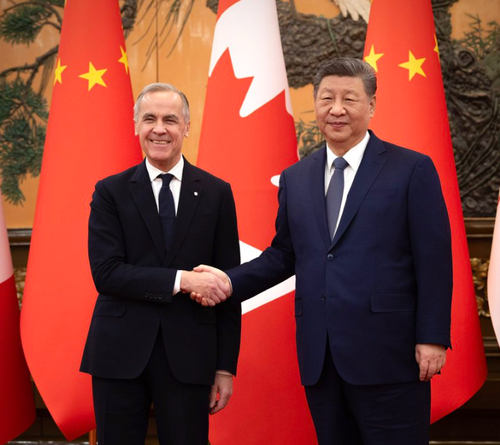
Canada-US Trade War Erupts, Setting New 50% Tariffs On Canadian Goods

Rewritten: US imposes 50% tariffs on Canadian goods, sparking trade dispute.

The recent implementation of substantial tariffs on Canadian products by the United States signals a significant escalation in trade relations, introducing a period of heightened uncertainty across North American economic landscapes. This policy shift is poised to negatively impact business operations by raising the cost of goods and potentially disrupting established supply networks, which could, in turn, affect corporate profitability and investment decisions. The imposition of these tariffs challenges existing trade frameworks and may contribute to upward price pressures, a factor already under scrutiny in the current economic climate. As a result, market participants may adopt a more cautious stance, potentially leading to a recalibration of asset allocations as investors prioritize stability. The broader implications of this trade friction could extend to global commerce and international capital movements, creating a more complex operating environment for businesses and investors alike.

The recent implementation of substantial tariffs on Canadian products by the United States signals a significant escalation in trade relations, introducing a period of heightened uncertainty across North American economic landscapes. This policy shift is poised to negatively impact business operations by raising the cost of goods and potentially disrupting established supply networks, which could, in turn, affect corporate profitability and investment decisions. The imposition of these tariffs challenges existing trade frameworks and may contribute to upward price pressures, a factor already under scrutiny in the current economic climate. As a result, market participants may adopt a more cautious stance, potentially leading to a recalibration of asset allocations as investors prioritize stability. The broader implications of this trade friction could extend to global commerce and international capital movements, creating a more complex operating environment for businesses and investors alike.

#macro