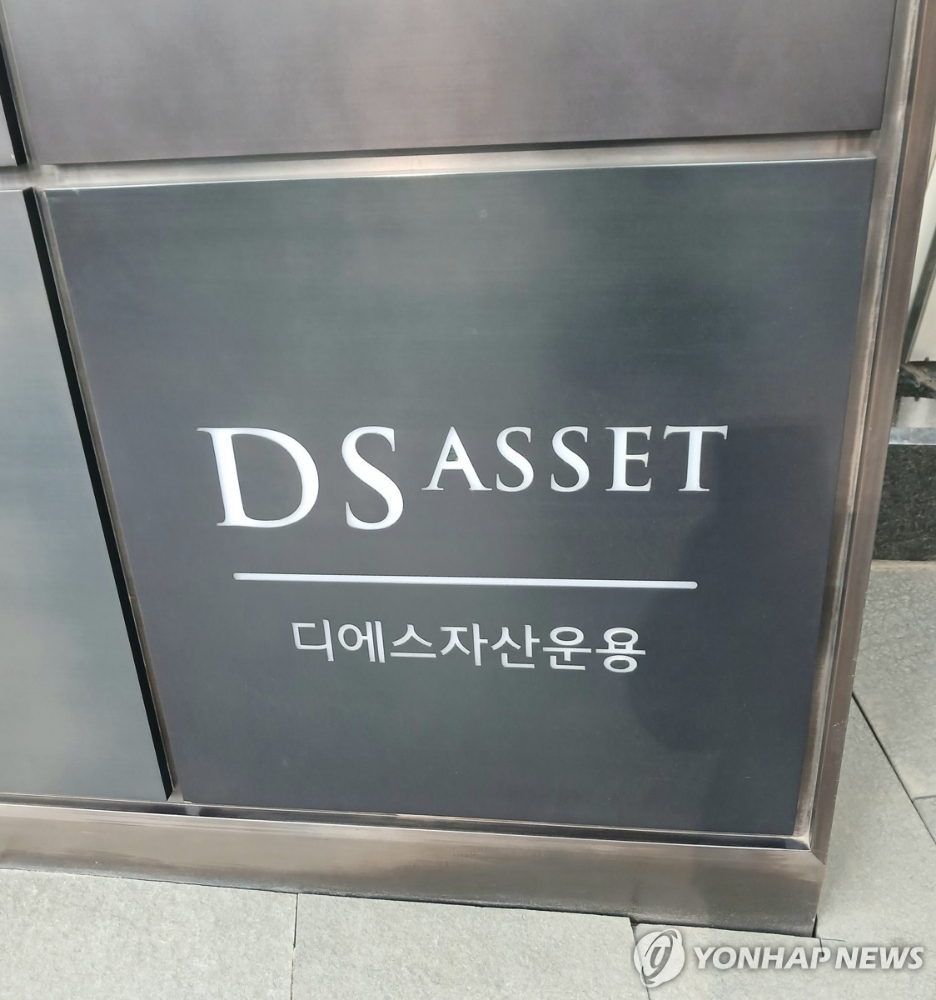
DS Asset Management Challenges KOSDAQ Market with Active ETF
DS Asset Management is launching its first ETF, 'DS KOSDAQ Active,' on July 14th, aiming to outperform the KOSDAQ index through active management of stocks and their weights.
Key takeaway
"DS Asset Management Challenges KOSDAQ Market with Active ETF" — BullBear's AI rates this story as a mixed, direction-neutral signal, with a market-impact score of 40 out of 100. DS Asset Management is launching its first ETF, 'DS KOSDAQ Active,' on July 14th, aiming to outperform the KOSDAQ index through active management of stocks and their weights. Reported by TokenPost on July 10, 2026. The call is verified against the actual 24-hour price move on BullBear's public conviction ledger.
Get the next high-impact catalyst
Telegram alerts when our AI scores a story 80+/100 impact (~1-3 per day, no spam).
Verified 30d hit rate 49.9%.
Rewritten: Yen drops on BOJ inaction; KOSPI surges.
The Japanese Yen depreciated significantly as the Bank of Japan maintained its interest rate, while the South Korean KOSPI index experienced its best day.
The Bank of Japan's decision to maintain its ultra-loose monetary policy, despite a weakening yen, signals a divergence in global central bank actions and raises questions about the sustainability of current currency trends. This divergence could fuel further volatility across currency markets and impact cross-border investment flows. The yen's sharp depreciation, while boosting export-oriented sectors like South Korea's KOSPI, introduces an element of uncertainty for global trade and inflation expectations. Such developments can temper broader market sentiment, potentially leading to increased caution among investors as they reassess risk exposures. The disconnect between the BOJ's stance and the tightening cycles elsewhere highlights ongoing macro-economic imbalances, which may erode investor confidence and dampen risk appetite as the market grapples with the implications of prolonged monetary policy divergence.
#global
Get the next 80+ impact catalyst
Push notifications when our AI flags a high-impact bull/bear story. ~1–3 per day.