▼ Bearish
call was checked against the actual S&P 500 price 24h later:
✗ Miss (+1.05%).
Our record on calls like this
1,128 scored calls here,
46.7% right (±7.7pp).
Always answering up would have scored 60.4% on the same rows.
Paired within the same day and asset, our directional edge is
+1.9 pp ± 4.3
— inside the error bar, i.e. indistinguishable from zero.
Bar: S&P 500 ±0.3% within 24h · every verdict lands on the public ledger
Key takeaway
"FOMC Minutes Preview: Scrutiny For Hawkish Bias" — BullBear's AI rates this story as a bearish (negative) signal for markets, with a market-impact score of 85 out of 100. Reported by ZeroHedge on July 08, 2026. The call is verified against the actual 24-hour price move on BullBear's public conviction ledger.
Catch the next bear flag
Telegram alerts when our AI scores a story 80+/100 impact (~1-3 per day, no spam).
Verified 30d hit rate 45.2%.
US Officials Threaten Retaliation Against UK Over Israeli Settlements Sanctions
Via Middle East Eye
US officials have attacked the UK over its new trade sanctions on illegal Israeli settlements, amid speculation that Washington could publicly rebuke the British government.
On Tuesday morning, US Ambassador to Israel Mike Huckabee suggested the Trump administration could retaliate against Britain over its new trade sanctions on illegal Israeli settlements.
US Embassy
Meanwhile, Florida Republican Congressman Randy Fine warned that British companies could be stopped from doing business in Florida, accusing the UK of a "vanity project in support of Muslim terror".
Huckabee told the BBC that the UK's planned ban on Israeli settlement goods would be a "discrimination against the Jewish people". He suggested US states, specifical
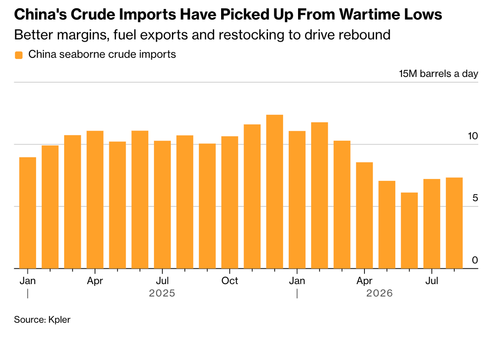
Amid intensifying competition for oil supplies, China's aggressive push into African, Canadian and Latin American fields is tightening global crude markets and lifting spot prices across those regions. The upward price pressure feeds into broader energy cost inflation, reinforcing bearish expectations for commodity‑linked equities and prompting a shift toward defensive positioning. Market sentiment is further dampened by concerns that higher input costs could erode profit margins for downstream processors and exacerbate trade imbalances in emerging economies. This development dovetails with macro themes of supply‑side constraints, geopolitical realignments and the lingering effects of post‑pandemic demand recovery, underscoring the fragility of the current price equilibrium. Consequently, investor confidence in risk‑on strategies wanes, with a noticeable tilt toward lower‑volatility assets as risk appetite contracts in response to the heightened uncertainty surrounding oil supply dynamics.
Amid intensifying competition for oil supplies, China's aggressive push into African, Canadian and Latin American fields is tightening global crude markets and lifting spot prices across those regions. The upward price pressure feeds into broader energy cost inflation, reinforcing bearish expectations for commodity‑linked equities and prompting a shift toward defensive positioning. Market sentiment is further dampened by concerns that higher input costs could erode profit margins for downstream processors and exacerbate trade imbalances in emerging economies. This development dovetails with macro themes of supply‑side constraints, geopolitical realignments and the lingering effects of post‑pandemic demand recovery, underscoring the fragility of the current price equilibrium. Consequently, investor confidence in risk‑on strategies wanes, with a noticeable tilt toward lower‑volatility assets as risk appetite contracts in response to the heightened uncertainty surrounding oil supply dynamics.