Core PCE Inflation At 3.3% In April, Highest Level Since 2023
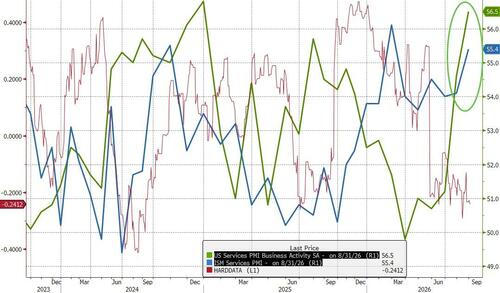
Core PCE inflation for April reached 3.3%, marking its highest level since 2023, indicating persistent inflationary pressures.
How this call is verified
The ▼ Bearish call is auto-verified against the actual S&P 500 price
shortly.
Bar: S&P 500 ±0.3% within 24h · every verdict lands on the public ledger
Key takeaway
"Core PCE Inflation At 3.3% In April, Highest Level Since 2023" — BullBear's AI rates this story as a bearish (negative) signal for markets, with a market-impact score of 90 out of 100. Core PCE inflation for April reached 3.3%, marking its highest level since 2023, indicating persistent inflationary pressures. Reported by Google News Macroeconomics (EN) on May 29, 2026. The call is verified against the actual 24-hour price move on BullBear's public conviction ledger.
Former Fed Chair Kevin Warsh cautioned investors against excessive optimism that inflation has peaked, suggesting it may not return to the 2% target quickly and implying a prolonged period of restrictive monetary policy.
Recent observations from a former Federal Reserve official indicate that inflationary pressures may prove more enduring than widely assumed by market participants. This perspective suggests a potential divergence from expectations of a swift return to price stability, which could necessitate a prolonged period of elevated interest rates. Such a scenario may prompt a reassessment of asset valuations across various sectors, as the prospect of sustained higher borrowing costs impacts future profitability and investment decisions. Consequently, market sentiment could transition from a focus on disinflationary trends to one acknowledging the resilience of price increases, aligning with broader macroeconomic discussions surrounding the complexities of managing inflation without significant economic disruption. This outlook may lead to a more cautious investment approach and a potential shift in portfolio allocations.
Rewritten: Fed Chair Warsh dims investor hopes on inflation's end.
Former Fed Chair Kevin Warsh's remarks suggest that investors' belief that the worst of inflation is over may be premature, implying continued inflation concerns.
Former Federal Reserve Governor Kevin Warsh's commentary suggests a more persistent inflationary environment than many market participants have anticipated, potentially challenging the prevailing narrative of inflation's imminent decline. This perspective could lead to a recalibration of expectations regarding the Federal Reserve's monetary policy path, implying a longer period of restrictive interest rates. Such a shift would likely dampen market sentiment, as the prospect of sustained higher borrowing costs weighs on corporate earnings and asset valuations. The connection to macro themes is evident, as it underscores the ongoing struggle to tame inflation without triggering a significant economic slowdown. Consequently, investor confidence may erode, leading to a reduced risk appetite and a preference for more defensive asset allocations as the market grapples with this renewed uncertainty.
Rewritten: Morgan Stanley: Fed to hold rates until 2026 as inflation cools.
Morgan Stanley predicts the Federal Reserve will keep interest rates on hold until 2026, citing expectations of easing inflation. This suggests a prolonged period of higher interest rates, potentially impacting bond markets and growth stocks.
Morgan Stanley's forecast anticipates a prolonged period of stable interest rates, extending to 2026, provided inflation continues its downward trajectory. This outlook suggests that the Federal Reserve may maintain its current monetary policy stance for an extended duration, a scenario that could influence investor behavior. The potential for sustained higher borrowing costs might temper demand for assets perceived as higher risk, fostering a more conservative market environment. This projection underscores the central bank's focus on achieving price stability and implies a longer-term commitment to tighter financial conditions than some market participants may have expected. As a result, investors might re-evaluate their portfolio allocations, potentially shifting towards assets that offer greater resilience in a stable, yet elevated, interest rate regime.
The U.S. dollar index is hovering near 100.830 as Brent crude oil prices surpass $95 per barrel, while the Japanese yen approaches a 40-year low ahead of anticipated decisions from the Federal Reserve and the Bank of Japan.