global_markets
▲ BullImpact 65/100MarketWatch Top StoriesMay 15, 2026
Read original ↗
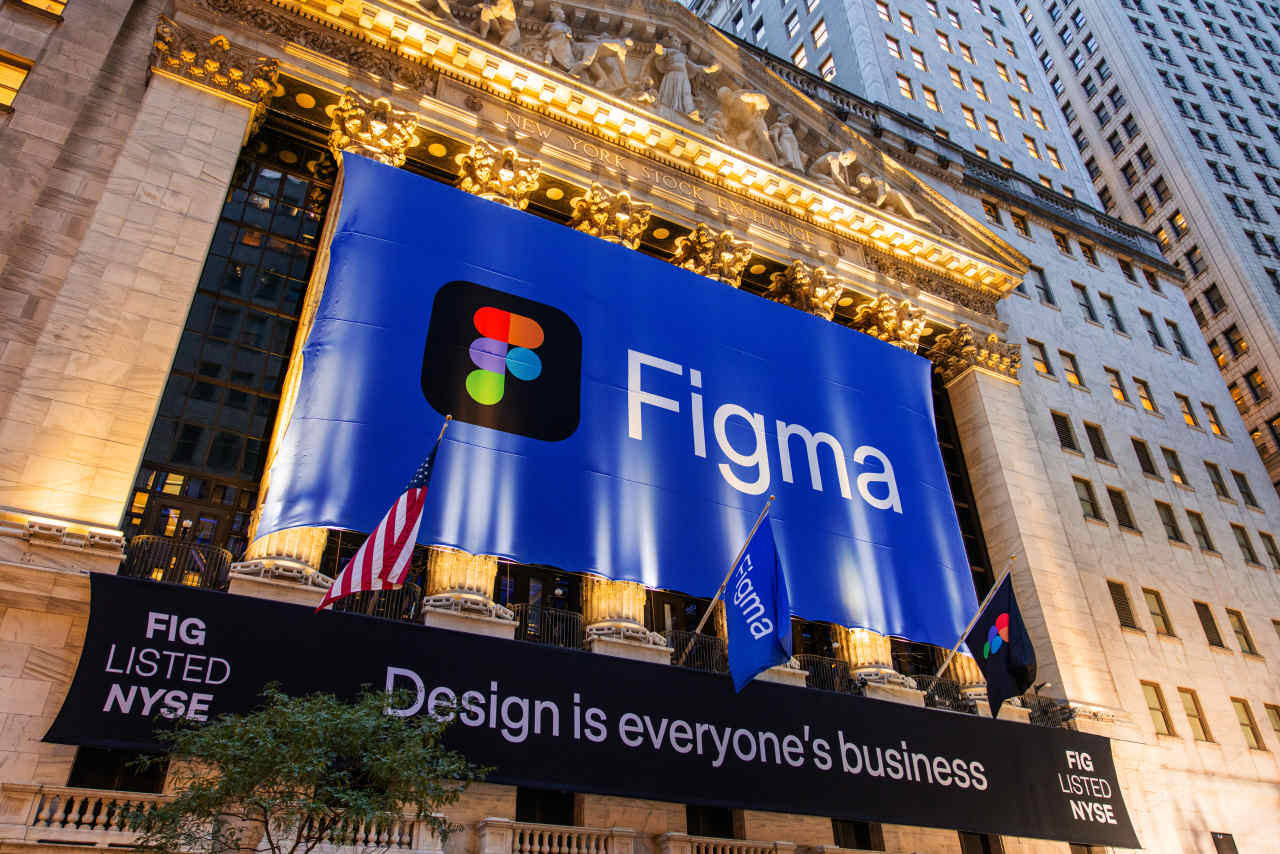
Figma has a fix for its ailing stock — a new way to make money off its AI products
Figma’s stock soars after earnings beat expectations again, and the full-year outlook was raised.
How this call is verified
The ▲ Bullish call is auto-verified against the actual S&P 500 price
shortly.
Bar: S&P 500 ±0.3% within 24h · every verdict lands on the public ledger
Key takeaway
"Figma has a fix for its ailing stock — a new way to make money off its AI products" — BullBear's AI rates this story as a bullish (positive) signal for markets, with a market-impact score of 65 out of 100. Figma’s stock soars after earnings beat expectations again, and the full-year outlook was raised. Reported by MarketWatch Top Stories on May 15, 2026. The call is verified against the actual 24-hour price move on BullBear's public conviction ledger.
Catch the next bull catalyst
Telegram alerts when our AI scores a story 80+/100 impact (~1-3 per day, no spam).
Verified 30d hit rate 53.2%.
Rewritten: Markets brace for decline; Alphabet, Tesla results fuel spending worries.
Major US stock indices are poised for a decline as the earnings reports from Alphabet and Tesla have reignited concerns about corporate spending and cost-cutting measures.
The anticipated decline in major stock indices today is being influenced by recent financial disclosures from prominent technology firms, Alphabet and Tesla. These reports highlight a renewed investor scrutiny on corporate expenditure, even in instances where revenue streams remain robust. The emphasis on increased spending by these key players is prompting a re-evaluation of profitability margins and the sustainability of current investment strategies. This trend suggests a potential departure from prior market dynamics that prioritized rapid expansion over immediate cost control. The implications of this shift are being considered within the broader economic context of persistent inflation and increasing borrowing costs, which may lead to a preference for companies exhibiting greater financial discipline. Consequently, a more cautious investor outlook could emerge, potentially leading to a decrease in speculative trading and a redirection of capital towards less volatile assets.
Rewritten: BitMEX cryptocurrency exchange to cease operations.
Cryptocurrency exchange BitMEX is set to shut down its operations.
The reported closure of BitMEX signals a significant shift within the cryptocurrency exchange landscape, potentially leading to reduced liquidity and trading volume across the broader digital asset market. Such a development could dampen market sentiment, as it highlights ongoing regulatory pressures and operational challenges faced by established players. This event resonates with broader macro themes of increased scrutiny on financial intermediaries and a move towards more regulated environments, which can influence investor confidence. Consequently, risk appetite within the crypto space may contract, prompting a reassessment of investment strategies and a potential flight to perceived safer digital assets or traditional markets. The exit of a prominent platform like BitMEX underscores the evolving nature of the industry and its susceptibility to external forces.
Rewritten: Futures signal down open; oil hits $99, Intel earnings watched.
US market futures for the Dow, S&P 500, and Nasdaq indicate a gap-down open amid oil prices at $99/bbl, with Intel earnings in focus.
Futures trading suggests a cautious start for US equities, with major indices pointing to a gap-down opening. The upward pressure on crude oil prices, breaching the $99 per barrel mark, is a significant overhang, potentially signaling renewed inflationary concerns and impacting consumer spending. This development could dampen market sentiment, shifting investor focus towards defensive sectors and away from growth-oriented assets. The persistent rise in oil prices connects directly to broader macroeconomic themes of supply chain disruptions and geopolitical instability, which continue to fuel uncertainty. Consequently, investor confidence may waver, leading to a reduced risk appetite as market participants reassess their portfolio allocations in light of these evolving economic pressures. Intel's upcoming earnings report will also be closely watched for sector-specific insights and potential guidance on the technology landscape.
US investors rethink bonds' role as inflation reshapes portfolios.
The persistent inflationary environment is forcing a fundamental reassessment of fixed income's traditional diversification benefits within US portfolios. This shift suggests a potential recalibration of asset allocation strategies, as investors seek alternatives to hedge against eroding purchasing power and rising interest rates. Consequently, market sentiment may lean towards increased caution, with a heightened focus on real assets and growth-oriented equities that historically offer better inflation protection. This evolving landscape is intrinsically linked to the broader macro themes of supply chain disruptions, geopolitical instability, and the Federal Reserve's monetary policy tightening cycle. As a result, investor confidence could be tested, potentially leading to a more risk-averse stance and a reduced appetite for speculative investments as the perceived safety net of bonds becomes less reliable.
#global_markets
Get the next 80+ impact catalyst
Push notifications when our AI flags a high-impact bull/bear story. ~1–3 per day.