The probability of the Federal Reserve keeping interest rates unchanged in April is 100%, while the probability of a rate cut in June is only 4.7% - WEEX
Key takeaway
"The probability of the Federal Reserve keeping interest rates unchanged in April is 100%, while the probability of a rate cut in June is only 4.7% - WEEX" — BullBear's AI rates this story as a bearish (negative) signal for markets, with a market-impact score of 90 out of 100. Reported by Google News Macroeconomics (EN) on April 26, 2026. The call is verified against the actual 24-hour price move on BullBear's public conviction ledger.
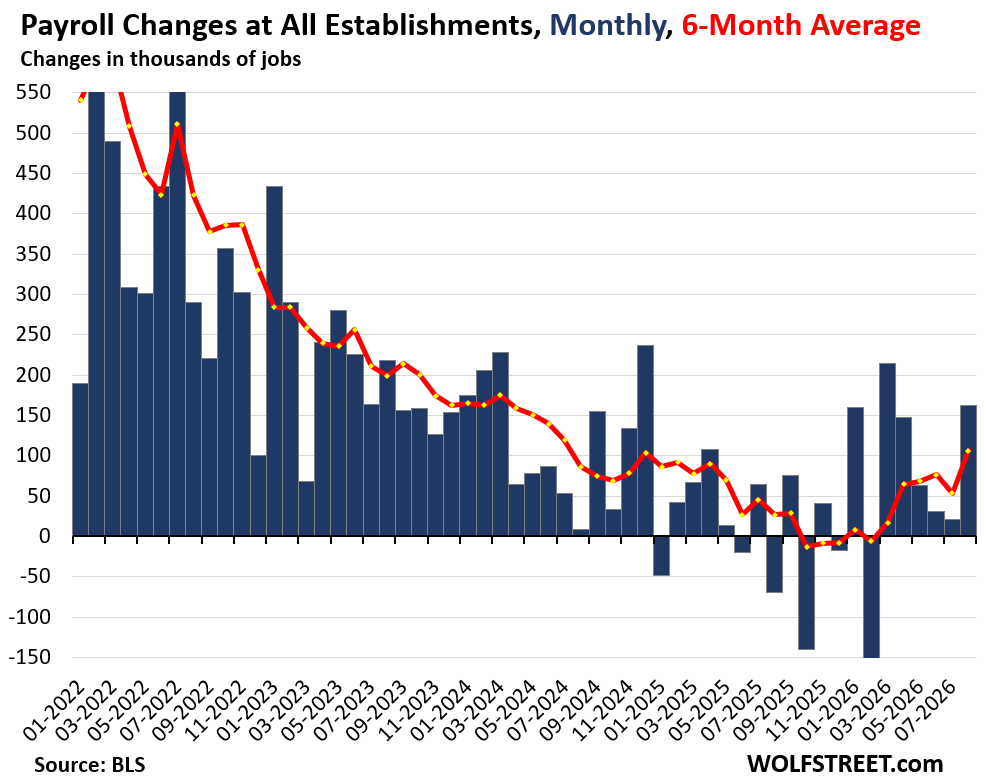
A stronger‑than‑expected jobs figure, with payrolls adding 162,000 in August, signals that the labor market remains resilient despite higher borrowing costs. Such data tends to reinforce expectations that the economy can absorb tighter monetary policy, which may keep the Federal Reserve on a path of gradual rate hikes rather than abrupt easing. Equity markets often respond positively to this narrative, as corporate earnings outlooks improve and consumer spending power stays robust. At the same time, bond yields may edge higher, reflecting tighter financing conditions, while the dollar could gain modestly on the backdrop of a solid employment backdrop. Investor confidence is likely to be bolstered, encouraging a shift toward risk‑on assets, though some participants may remain cautious about potential inflationary pressures that a tight labor market can generate.
Signals of a possible Ukrainian peace settlement and a Russian overture toward normalising relations with the United States introduce a fresh geopolitical risk premium that could ease the war‑driven volatility that has dominated equities and commodities. A de‑escalation scenario would likely lift risk‑off sentiment, supporting higher‑growth sectors and reducing demand for safe‑haven assets such as gold and Treasury yields. The development dovetails with broader macro themes of easing inflation pressures and a potential acceleration of monetary policy normalization, as lower energy price spikes ease supply‑chain constraints. Investor confidence may rebound as the prospect of diplomatic resolution narrows the uncertainty horizon, encouraging a modest shift back into equities and higher‑yield credit. Nonetheless, the market will remain attentive to concrete steps and verification, keeping the risk appetite calibrated to any further diplomatic setbacks.
Ongoing tensions in the Strait of Hormuz, highlighted by a warning from a major Japanese tanker operator about potential disruptions extending into next year, could reverberate across global energy markets. A prolonged bottleneck would tighten crude and refined product supplies, nudging spot prices higher and pressuring inventories, which in turn may feed into broader commodity indices. Market sentiment could shift toward caution as traders price in heightened geopolitical risk premiums, dampening risk‑on flows into equities and favoring defensive assets. The scenario dovetails with macro‑level concerns over supply chain resilience and the interplay between energy security and inflationary pressures, reinforcing central banks' vigilance on price stability. Consequently, investor confidence may waver, prompting a modest pullback from higher‑yield exposures and a reallocation toward assets perceived as lower‑risk, potentially curbing appetite for speculative positions.