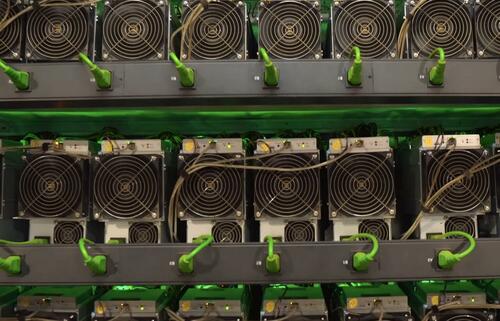
Iran’s Bitcoin hashrate falls 77% over the past quarter amid conflict
AI comment — why bearish
The significant reduction in Iran's Bitcoin hashrate over the past quarter, attributed to ongoing conflict, introduces notable implications for the broader digital asset market. This event underscores the profound impact of geopolitical instability and energy policy on the physical infrastructure underpinning decentralized networks. While the Bitcoin network is designed to self-regulate hashrate distribution, such disruptions can temper market sentiment, raising questions about the resilience of mining operations in politically volatile regions. It may prompt a re-evaluation of supply-side risks, potentially leading to increased caution among investors and a slight reduction in risk appetite. The interconnectedness of global energy markets and geopolitical events with digital asset infrastructure becomes more apparent, highlighting how macro-level conflicts can influence the operational stability perceived by market participants, potentially affecting long-term investor confidence in the predictability of mining supply.
Key takeaway
"Iran’s Bitcoin hashrate falls 77% over the past quarter amid conflict" — BullBear's AI rates this story as a bearish (negative) signal for markets, with a market-impact score of 60 out of 100. That score reflects how strongly the story is likely to move Bitcoin, US equities, the dollar, and gold, and near-duplicate coverage of the same event is clustered so only the representative article is scored. Reported by CoinTelegraph Bitcoin on April 08, 2026. The call is verified against the actual 24-hour price move on BullBear's public conviction ledger.
Catch the next bear flag
Telegram alerts when our AI scores a story 80+/100 impact (~1-3 per day, no spam). Verified 30d hit rate 43.0%.