Choose language / Korean

EN / 한
Bitcoin hits weekly low on oil fears as analyst teases $10K BTC price target
Bull/Bear Index 45.6/100
crypto ▼ Bear Impact 85/100 CoinTelegraph Bitcoin Apr 02, 2026 Read original ↗

Bitcoin hits weekly low on oil fears as analyst teases $10K BTC price target

Bitcoin fell to a weekly low due to oil-supply concerns, with an analyst warning of a potential drop to $10,000.

How this call is verified

The ▼ Bearish call is auto-verified against the actual BTC price shortly.

Bar: BTC ±1% within 24h · every verdict lands on the public ledger

AI comment — why bearish

The recent dip in Bitcoin, attributed to escalating oil price concerns, underscores a broader market sensitivity to macroeconomic headwinds. Surging energy costs typically fuel inflation anxieties, potentially compelling central banks to maintain restrictive monetary policies for longer. This environment often translates into diminished liquidity and higher borrowing costs across financial markets, impacting growth-oriented assets beyond just cryptocurrencies. Such developments tend to foster a cautious market sentiment, as investors grapple with persistent inflationary pressures and the specter of slower economic growth. Consequently, investor confidence in risk assets may wane, leading to a contraction in overall risk appetite. The emergence of significantly lower price targets for Bitcoin, against this backdrop of macro uncertainty, further amplifies investor apprehension, potentially encouraging a shift towards perceived safer havens or a more defensive portfolio posture.

Key takeaway

"Bitcoin hits weekly low on oil fears as analyst teases $10K BTC price target" — BullBear's AI rates this story as a bearish (negative) signal for markets, with a market-impact score of 85 out of 100. Bitcoin fell to a weekly low due to oil-supply concerns, with an analyst warning of a potential drop to $10,000. The recent dip in Bitcoin, attributed to escalating oil price concerns, underscores a broader market sensitivity to macroeconomic headwinds. Surging energy costs typically fuel inflation anxieties, potentially compelling central banks to maintain restrictive monetary policies for longer. This environment often translates into diminished liquidity and higher borrowing costs across financial markets, impacting growth-oriented assets beyond just cryptocurrencies. Such developments tend to foster a cautious market sentiment, as investors grapple with persistent inflationary pressures and the specter of slower economic growth. Consequently, investor confidence in risk assets may wane, leading to a contraction in overall risk appetite. The emergence of significantly lower price targets for Bitcoin, against this backdrop of macro uncertainty, further amplifies investor apprehension, potentially encouraging a shift towards perceived safer havens or a more defensive portfolio posture. That score reflects how strongly the story is likely to move Bitcoin, US equities, the dollar, and gold, and near-duplicate coverage of the same event is clustered so only the representative article is scored. Reported by CoinTelegraph Bitcoin on April 02, 2026. The call is verified against the actual 24-hour price move on BullBear's public conviction ledger.

Catch the next bear flag

Telegram alerts when our AI scores a story 80+/100 impact (~1-3 per day, no spam). Verified 30d hit rate 52.9%.

Join Telegram channel

📡 Tomorrow's Watch

Related news

▲ Bull
65/100
Google News Bitcoin (EN) 2h ago

Nobody Wants to Unstake Ethereum Anymore: Here’s Why It’s a Big Deal

Rewritten: Ethereum unstaking slows; significant implications follow.

The fact that nobody wants to unstake Ethereum anymore can be interpreted as a positive signal for the network's stability and the sentiment of ETH holders.

The declining desire to unstake Ether suggests a growing conviction in Ethereum's long-term value proposition, potentially signaling a shift in broader market sentiment towards digital assets. This sustained commitment could reduce selling pressure, fostering a more stable environment for cryptocurrency prices. From a macro perspective, this trend might reflect a search for uncorrelated, yield-generating assets amidst traditional market volatility and inflation concerns. Such a development could bolster investor confidence in the Ethereum ecosystem specifically, and by extension, the digital asset space, potentially increasing risk appetite for those seeking alternative investment avenues. The reduced outflow from staking implies a belief in future price appreciation and the continued utility of the network, a sentiment that could ripple through the wider speculative landscape.

The declining desire to unstake Ether suggests a growing conviction in Ethereum's long-term value proposition, potentially signaling a shift in broader market sentiment towards digital assets. This sustained commitment could reduce selling pressure, fostering a more stable environment for cryptocurrency prices. From a macro perspective, this trend might reflect a search for uncorrelated, yield-generating assets amidst traditional market volatility and inflation concerns. Such a development could bolster investor confidence in the Ethereum ecosystem specifically, and by extension, the digital asset space, potentially increasing risk appetite for those seeking alternative investment avenues. The reduced outflow from staking implies a belief in future price appreciation and the continued utility of the network, a sentiment that could ripple through the wider speculative landscape.

#crypto
▼ Bear
📡 +1 65/100
Google News Bitcoin (EN) 3h ago

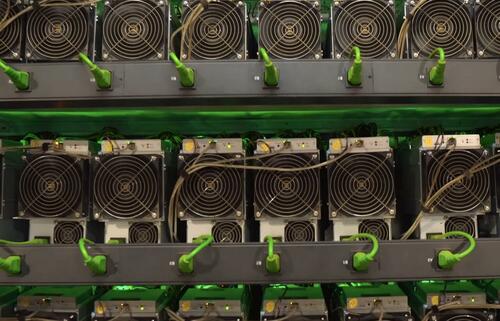
Bitcoin's 15th Difficulty Reset Exposes a Mining Industry Under Pressure

Rewritten: Bitcoin difficulty adjustment shows mining industry strain.

Bitcoin's 15th difficulty adjustment reveals the pressure facing the mining industry.

The recent Bitcoin difficulty adjustment, the fifteenth of its kind, signals a period of increased strain within the mining sector. This pressure point could ripple through the broader cryptocurrency market, potentially dampening investor sentiment as concerns about network security and miner profitability rise. Such developments are not isolated, often intersecting with prevailing macro-economic themes like inflation and interest rate hikes, which generally reduce risk appetite across all asset classes. Consequently, this environment may lead to a cautious approach from investors, potentially impacting capital flows into digital assets and reinforcing a more risk-averse stance. The resilience of the mining infrastructure and its profitability are key indicators of the health of the Bitcoin network, and any sustained weakness here could influence overall confidence in the digital asset space.

The recent Bitcoin difficulty adjustment, the fifteenth of its kind, signals a period of increased strain within the mining sector. This pressure point could ripple through the broader cryptocurrency market, potentially dampening investor sentiment as concerns about network security and miner profitability rise. Such developments are not isolated, often intersecting with prevailing macro-economic themes like inflation and interest rate hikes, which generally reduce risk appetite across all asset classes. Consequently, this environment may lead to a cautious approach from investors, potentially impacting capital flows into digital assets and reinforcing a more risk-averse stance. The resilience of the mining infrastructure and its profitability are key indicators of the health of the Bitcoin network, and any sustained weakness here could influence overall confidence in the digital asset space.

#crypto