Choose language / Korean

EN / 한
Trump threatens further strikes on Iran's Kharg Island
Bull/Bear Index 44.9/100
macro ▲ Bull Impact 75/100 TheNewsAPI Macro Mar 15, 2026 Read original ↗

Trump threatens further strikes on Iran's Kharg Island

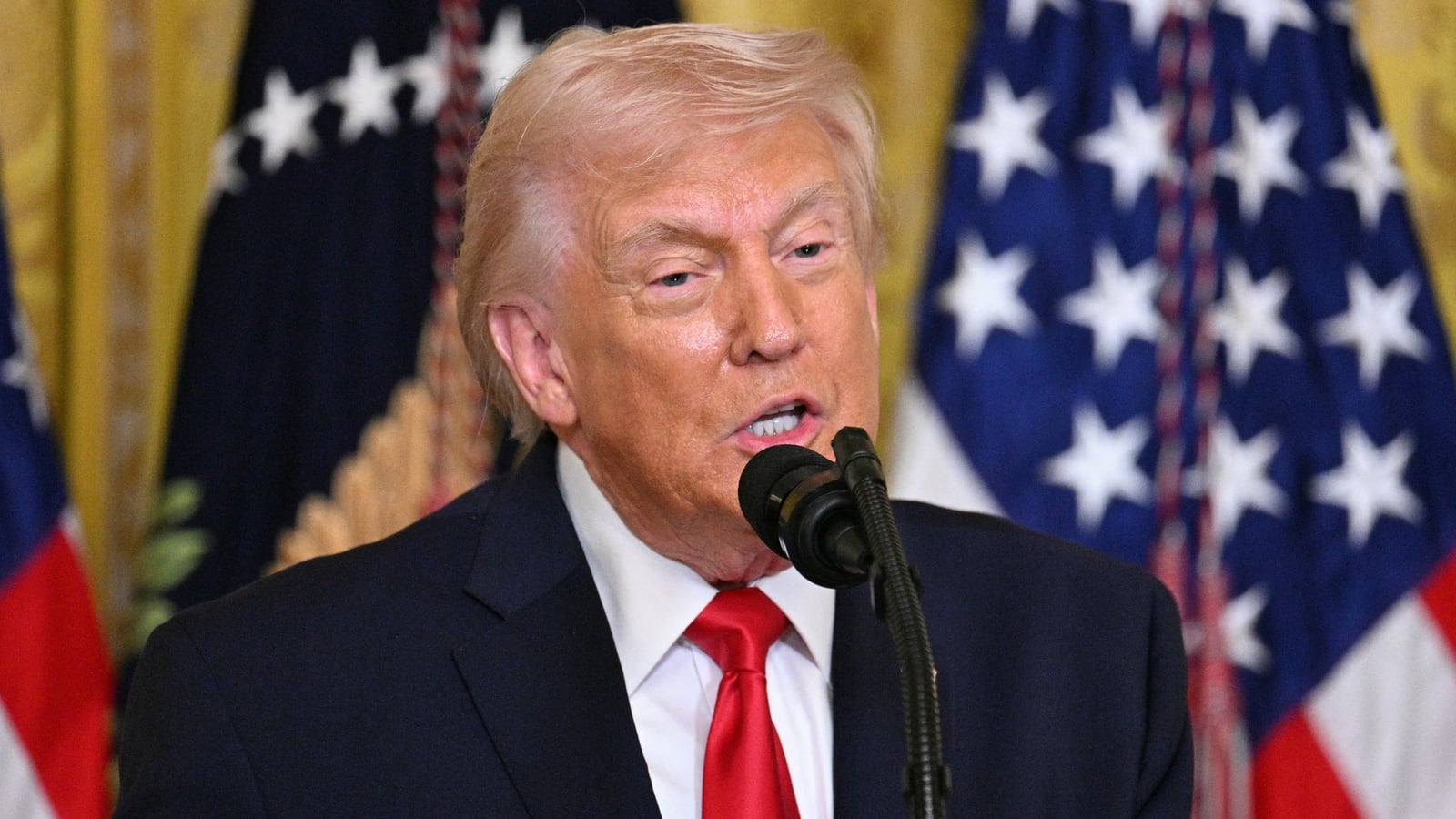
US President Donald Trump has threatened further strikes on Iran's Kharg Island oil export hub and urged allies to send warships to secure the Strait of Hormuz.

How this call is verified

The ▲ Bullish call is auto-verified against the actual S&P 500 price shortly.

Bar: S&P 500 ±0.3% within 24h · every verdict lands on the public ledger

AI comment — why bullish

Heightened geopolitical tensions surrounding Iran's critical Kharg Island oil terminal inject significant volatility into global energy markets. The threat of supply disruptions from this key export hub typically puts upward pressure on crude oil prices, creating a bullish environment for energy sector equities. This dynamic often triggers a defensive rotation in capital allocation, as investors shift away from riskier assets and into sectors perceived as beneficiaries of conflict. Consequently, defense and aerospace stocks may also experience a positive sentiment shift on expectations of increased military spending. While such events can dampen broader investor confidence and risk appetite due to macroeconomic uncertainty, the targeted impact on commodity prices and specific industries provides a clear, albeit narrow, bullish catalyst. This underscores the persistent macro theme of geopolitical risk directly influencing sector-specific market performance.

Key takeaway

"Trump threatens further strikes on Iran's Kharg Island" — BullBear's AI rates this story as a bullish (positive) signal for markets, with a market-impact score of 75 out of 100. US President Donald Trump has threatened further strikes on Iran's Kharg Island oil export hub and urged allies to send warships to secure the Strait of Hormuz. Heightened geopolitical tensions surrounding Iran's critical Kharg Island oil terminal inject significant volatility into global energy markets. The threat of supply disruptions from this key export hub typically puts upward pressure on crude oil prices, creating a bullish environment for energy sector equities. This dynamic often triggers a defensive rotation in capital allocation, as investors shift away from riskier assets and into sectors perceived as beneficiaries of conflict. Consequently, defense and aerospace stocks may also experience a positive sentiment shift on expectations of increased military spending. While such events can dampen broader investor confidence and risk appetite due to macroeconomic uncertainty, the targeted impact on commodity prices and specific industries provides a clear, albeit narrow, bullish catalyst. This underscores the persistent macro theme of geopolitical risk directly influencing sector-specific market performance. That score reflects how strongly the story is likely to move Bitcoin, US equities, the dollar, and gold, and near-duplicate coverage of the same event is clustered so only the representative article is scored. Reported by TheNewsAPI Macro on March 15, 2026. The call is verified against the actual 24-hour price move on BullBear's public conviction ledger.

Catch the next bull catalyst

Telegram alerts when our AI scores a story 80+/100 impact (~1-3 per day, no spam). Verified 30d hit rate 53.4%.

Join Telegram channel

📡 Tomorrow's Watch

Related news

▼ Bear
75/100
Google News Macroeconomics (EN) 2h ago

Gold Prices Fall on Fed Rate Hike Prospects; Brent Crude Tops $100

Rewritten: Gold drops as Fed rate hike looms; Brent crude exceeds $100.

Gold prices are declining due to increased expectations of a Federal Reserve interest rate hike, while Brent crude oil has surpassed $100 per barrel.

The prospect of continued monetary tightening by the Federal Reserve is casting a shadow over risk assets, prompting a retreat in gold prices. This shift in central bank policy expectations is fostering a more cautious market sentiment, as investors weigh the potential for slower economic growth against inflationary pressures. The sustained strength in Brent crude oil, meanwhile, underscores persistent supply-side concerns and contributes to a broader macroeconomic narrative of elevated energy costs. Such an environment can erode investor confidence, leading to a reduced appetite for speculative investments and a preference for perceived safe havens, though even gold is facing headwinds from rising interest rate expectations. This dynamic suggests a recalibration of risk premiums across various asset classes as economic conditions evolve.

The prospect of continued monetary tightening by the Federal Reserve is casting a shadow over risk assets, prompting a retreat in gold prices. This shift in central bank policy expectations is fostering a more cautious market sentiment, as investors weigh the potential for slower economic growth against inflationary pressures. The sustained strength in Brent crude oil, meanwhile, underscores persistent supply-side concerns and contributes to a broader macroeconomic narrative of elevated energy costs. Such an environment can erode investor confidence, leading to a reduced appetite for speculative investments and a preference for perceived safe havens, though even gold is facing headwinds from rising interest rate expectations. This dynamic suggests a recalibration of risk premiums across various asset classes as economic conditions evolve.

#macro
▼ Bear
70/100
Google News Macroeconomics (EN) 2h ago

Gold Prices Ease as Inflation Concerns Reinforce Expectations for Higher Fed Rates

Rewritten: Gold falls on inflation fears, Fed rate hike outlook.

Gold prices have declined as ongoing inflation concerns strengthen expectations for further interest rate hikes by the Federal Reserve.

The recent downward movement in gold prices reflects an adjustment to prevailing economic indicators, specifically inflation data that strengthens the likelihood of continued increases in benchmark interest rates by the Federal Reserve. This anticipated tightening of monetary policy creates an environment where the cost of borrowing rises, potentially diminishing investor appetite for speculative ventures. As interest rates climb, the attractiveness of assets offering fixed returns may increase, prompting a reassessment of investment strategies. Consequently, market participants might favor less volatile assets or reduce their holdings in sectors perceived as more susceptible to economic headwinds. The dynamic between rising inflation, central bank responses, and the performance of commodities like gold highlights a period of significant economic recalibration.

The recent downward movement in gold prices reflects an adjustment to prevailing economic indicators, specifically inflation data that strengthens the likelihood of continued increases in benchmark interest rates by the Federal Reserve. This anticipated tightening of monetary policy creates an environment where the cost of borrowing rises, potentially diminishing investor appetite for speculative ventures. As interest rates climb, the attractiveness of assets offering fixed returns may increase, prompting a reassessment of investment strategies. Consequently, market participants might favor less volatile assets or reduce their holdings in sectors perceived as more susceptible to economic headwinds. The dynamic between rising inflation, central bank responses, and the performance of commodities like gold highlights a period of significant economic recalibration.

#macro
▼ Bear
80/100
Google News Macroeconomics (EN) 3h ago

Asian stocks tumble as soaring oil revives inflation worries

Rewritten: Asian stocks fall on renewed inflation fears from rising oil.

Asian stocks tumbled as soaring oil prices revived inflation worries.

Elevated crude oil prices are reigniting inflation apprehension across Asian stock markets, triggering a widespread decline. This development indicates a potential reassessment by investors concerning the future course of global economic expansion and central bank policies. The re-emergence of inflation concerns challenges the expectation of a steady decrease in price pressures, possibly prompting monetary authorities to sustain or intensify their restrictive policies for an extended period. As a result, market sentiment is shifting towards prudence, with a reduced appetite for risk as investors re-evaluate their holdings in assets sensitive to economic growth. This climate of increased uncertainty and resurgent inflationary pressures may diminish investor confidence, fostering a more defensive market stance and a preference for assets considered less volatile.

Elevated crude oil prices are reigniting inflation apprehension across Asian stock markets, triggering a widespread decline. This development indicates a potential reassessment by investors concerning the future course of global economic expansion and central bank policies. The re-emergence of inflation concerns challenges the expectation of a steady decrease in price pressures, possibly prompting monetary authorities to sustain or intensify their restrictive policies for an extended period. As a result, market sentiment is shifting towards prudence, with a reduced appetite for risk as investors re-evaluate their holdings in assets sensitive to economic growth. This climate of increased uncertainty and resurgent inflationary pressures may diminish investor confidence, fostering a more defensive market stance and a preference for assets considered less volatile.

#macro
▼ Bear
75/100
Google News Macroeconomics (EN) 4h ago

Gold softens on prospects of Fed rate hikes as Brent tops $100 - CNBC

Rewritten: Gold dips as Fed hikes loom; Brent crude exceeds $100.

Gold prices are softening due to the prospect of Federal Reserve rate hikes, while Brent crude oil has surpassed $100 per barrel.

Elevated crude oil prices, with benchmarks like Brent exceeding the $100 per barrel mark, are contributing to broader inflationary concerns. Such persistent price pressures increase the likelihood of the Federal Reserve adopting a more restrictive monetary policy stance, potentially through further interest rate increases. This outlook for higher borrowing costs directly impacts the attractiveness of gold. As a non-yielding asset, gold becomes less competitive when compared to instruments that offer a return, particularly in an environment of rising interest rates. Consequently, the confluence of sustained inflation and the anticipation of tighter monetary conditions creates a challenging economic landscape. This scenario may encourage investors to adopt a more conservative approach to their portfolios, potentially shifting away from riskier assets and towards more defensive strategies as they assess the potential impact on economic growth and corporate profitability.

Elevated crude oil prices, with benchmarks like Brent exceeding the $100 per barrel mark, are contributing to broader inflationary concerns. Such persistent price pressures increase the likelihood of the Federal Reserve adopting a more restrictive monetary policy stance, potentially through further interest rate increases. This outlook for higher borrowing costs directly impacts the attractiveness of gold. As a non-yielding asset, gold becomes less competitive when compared to instruments that offer a return, particularly in an environment of rising interest rates. Consequently, the confluence of sustained inflation and the anticipation of tighter monetary conditions creates a challenging economic landscape. This scenario may encourage investors to adopt a more conservative approach to their portfolios, potentially shifting away from riskier assets and towards more defensive strategies as they assess the potential impact on economic growth and corporate profitability.

#macro