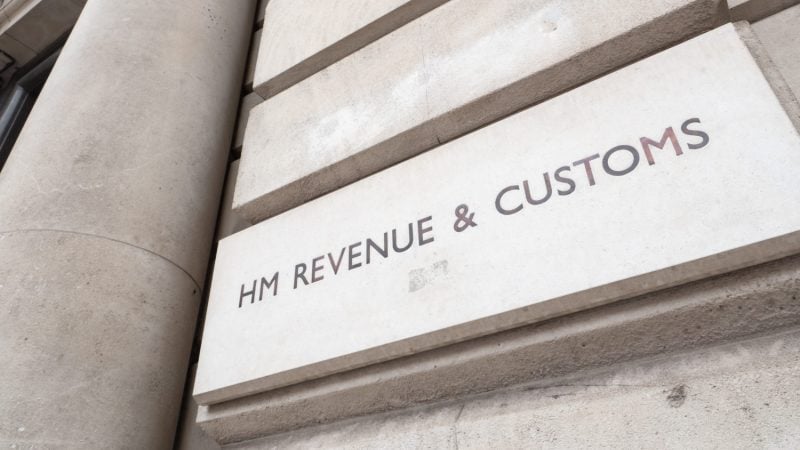
HMRC explores crypto forensic tools for tax probes as former OECD advisor flags UK’s growing compliance push
HMRC is exploring crypto forensic tools worth up to $4.6 million to combat digital asset-related tax fraud and money laundering in the UK.
Key takeaway
"HMRC explores crypto forensic tools for tax probes as former OECD advisor flags UK’s growing compliance push" — BullBear's AI rates this story as a mixed, direction-neutral signal, with a market-impact score of 45 out of 100. HMRC is exploring crypto forensic tools worth up to $4.6 million to combat digital asset-related tax fraud and money laundering in the UK. Reported by The Block RSS on March 12, 2026. The call is verified against the actual 24-hour price move on BullBear's public conviction ledger.
Get the next high-impact catalyst
Telegram alerts when our AI scores a story 80+/100 impact (~1-3 per day, no spam).
Verified 30d hit rate 53.3%.
Rewritten: Firms bought 115K Bitcoin in Q2, individuals sold 78K.
In the second quarter, businesses accumulated over 115,000 Bitcoin, while individual investors sold approximately 78,000 Bitcoin, according to data from River.
The divergence in Bitcoin accumulation between institutional entities and retail investors suggests a potential shift in market dynamics. Businesses increasing their holdings while individuals divest could indicate a maturing market where larger players are more confident in Bitcoin's long-term value proposition, possibly viewing it as a hedge against inflation or a store of value amidst economic uncertainty. This trend may bolster investor confidence by signaling institutional adoption and could lead to a more robust risk appetite among sophisticated market participants. The broader market implication is a potential increase in demand from a more stable, less volatile source, which could influence price discovery and adoption rates. Such a dynamic aligns with broader macro themes of seeking alternative assets in an environment of fluctuating traditional market performance and evolving monetary policies.