Choose language / Korean

EN / 한
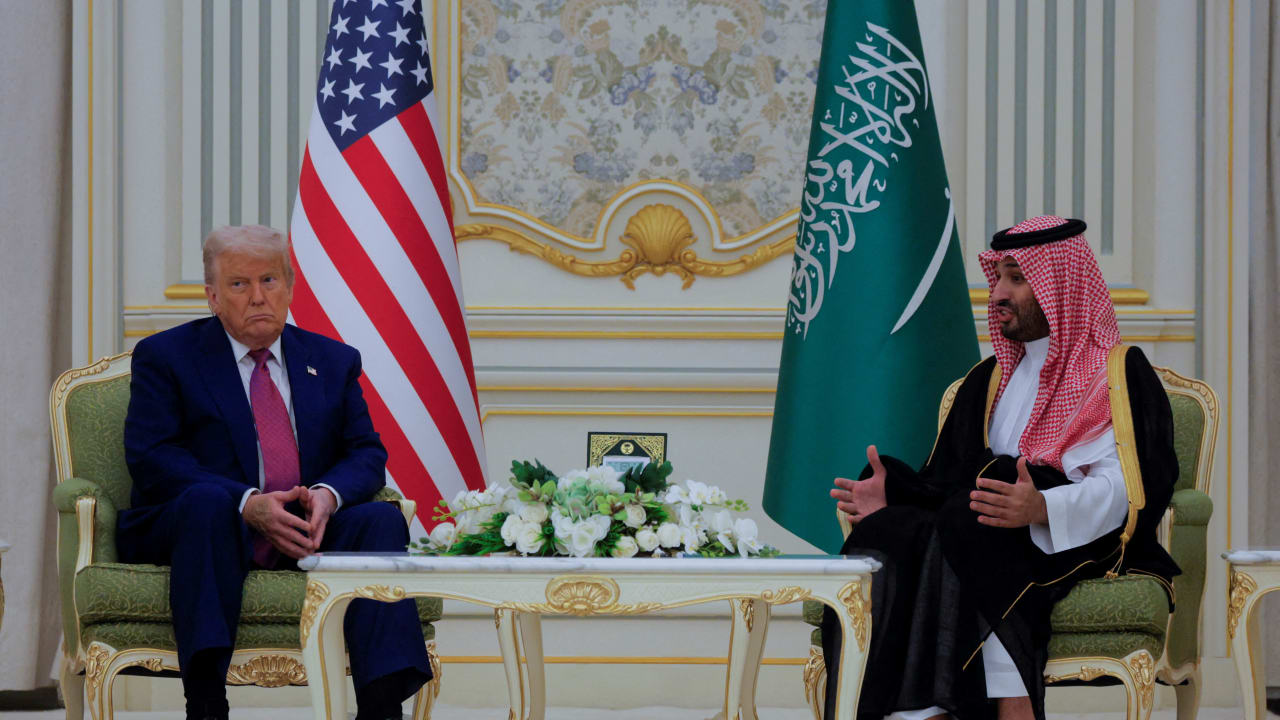
Saudi Arabia, Israel pushed Donald Trump for Iran strike
Bull/Bear Index 47.0/100
crypto ▲ Bull Impact 65/100 TheNewsAPI Crypto Mar 01, 2026 Read original ↗

Saudi Arabia, Israel pushed Donald Trump for Iran strike

Prime Minister Benjamin Netanyahu publicly pushed for strikes against Iran, while Saudi Arabia’s role appeared more complex.

AI comment — why bullish

Revelations of past pressure for military action against Iran underscore a significant geopolitical risk that markets ultimately did not have to price in. A direct conflict would have immediately threatened crucial oil shipping lanes, causing a severe energy price shock and exacerbating global inflationary pressures. The successful aversion of this conflict provides a bullish undertone, reinforcing the resilience of the current market environment by demonstrating a high threshold for large-scale military escalation. This perception helps to temper the geopolitical risk premium embedded in asset prices, supporting a risk-on sentiment and bolstering investor confidence in sectors sensitive to energy costs and global trade stability. The containment of this past threat allows capital to remain focused on economic fundamentals rather than shifting defensively to safe-haven assets, underpinning broader market stability and a continued appetite for growth-oriented investments.

Key takeaway

"Saudi Arabia, Israel pushed Donald Trump for Iran strike" — BullBear's AI rates this story as a bullish (positive) signal for markets, with a market-impact score of 65 out of 100. Prime Minister Benjamin Netanyahu publicly pushed for strikes against Iran, while Saudi Arabia’s role appeared more complex. Revelations of past pressure for military action against Iran underscore a significant geopolitical risk that markets ultimately did not have to price in. A direct conflict would have immediately threatened crucial oil shipping lanes, causing a severe energy price shock and exacerbating global inflationary pressures. The successful aversion of this conflict provides a bullish undertone, reinforcing the resilience of the current market environment by demonstrating a high threshold for large-scale military escalation. This perception helps to temper the geopolitical risk premium embedded in asset prices, supporting a risk-on sentiment and bolstering investor confidence in sectors sensitive to energy costs and global trade stability. The containment of this past threat allows capital to remain focused on economic fundamentals rather than shifting defensively to safe-haven assets, underpinning broader market stability and a continued appetite for growth-oriented investments. That score reflects how strongly the story is likely to move Bitcoin, US equities, the dollar, and gold, and near-duplicate coverage of the same event is clustered so only the representative article is scored. Reported by TheNewsAPI Crypto on March 01, 2026. The call is verified against the actual 24-hour price move on BullBear's public conviction ledger.

Catch the next bull catalyst

Telegram alerts when our AI scores a story 80+/100 impact (~1-3 per day, no spam). Verified 30d hit rate 51.9%.

Join Telegram channel

📡 Tomorrow's Watch

Related news

▼ Bear
75/100
Google News Bitcoin (EN) 13m ago

Bitcoin Price Falls Below $64K Ahead of Fed Decision

Rewritten: Bitcoin drops under $64,000 before Fed announcement.

The price of Bitcoin has dropped below $64,000 as markets await the US Federal Reserve's interest rate decision.

The cryptocurrency market has observed a notable decline in Bitcoin's price, falling below the $64,000 threshold. This movement coincides with anticipation surrounding the Federal Reserve's upcoming monetary policy announcement, indicating a heightened level of investor caution. The price action suggests a potential recalibration of risk exposure as market participants await signals regarding interest rates and the central bank's economic outlook. Such developments often influence investor sentiment towards riskier assets, and a sustained downward trend in Bitcoin could reflect a broader trend of de-risking across speculative markets. This cautious stance may persist until greater clarity emerges regarding the direction of monetary policy and its potential implications for the broader economic landscape.

The cryptocurrency market has observed a notable decline in Bitcoin's price, falling below the $64,000 threshold. This movement coincides with anticipation surrounding the Federal Reserve's upcoming monetary policy announcement, indicating a heightened level of investor caution. The price action suggests a potential recalibration of risk exposure as market participants await signals regarding interest rates and the central bank's economic outlook. Such developments often influence investor sentiment towards riskier assets, and a sustained downward trend in Bitcoin could reflect a broader trend of de-risking across speculative markets. This cautious stance may persist until greater clarity emerges regarding the direction of monetary policy and its potential implications for the broader economic landscape.

#crypto
▼ Bear
75/100
Google News Bitcoin (EN) 58m ago

Bitcoin Falls on Chip Selloff, Iran War Concerns -- Market Talk - Moomoo

Rewritten: Bitcoin drops amid chip sales and Iran conflict fears.

Bitcoin Falls on Chip Selloff, Iran War Concerns -- Market Talk  Moomoo

The recent decline in Bitcoin's valuation appears to be influenced by a confluence of factors, including a downturn in the semiconductor industry and heightened geopolitical concerns originating from the Middle East. This dual pressure suggests a broader market recalibration, where investors may be re-evaluating their exposure to riskier assets. The observed correlation with traditional market anxieties, particularly those surrounding potential supply chain disruptions and international conflict, underscores Bitcoin's growing entanglement with macroeconomic trends. This integration implies that investor sentiment could become more cautious, potentially leading to reduced demand for speculative digital assets. The interplay of these technological and geopolitical elements points towards an environment characterized by increased market fluctuations as participants process these complex dynamics.

The recent decline in Bitcoin's valuation appears to be influenced by a confluence of factors, including a downturn in the semiconductor industry and heightened geopolitical concerns originating from the Middle East. This dual pressure suggests a broader market recalibration, where investors may be re-evaluating their exposure to riskier assets. The observed correlation with traditional market anxieties, particularly those surrounding potential supply chain disruptions and international conflict, underscores Bitcoin's growing entanglement with macroeconomic trends. This integration implies that investor sentiment could become more cautious, potentially leading to reduced demand for speculative digital assets. The interplay of these technological and geopolitical elements points towards an environment characterized by increased market fluctuations as participants process these complex dynamics.

#crypto