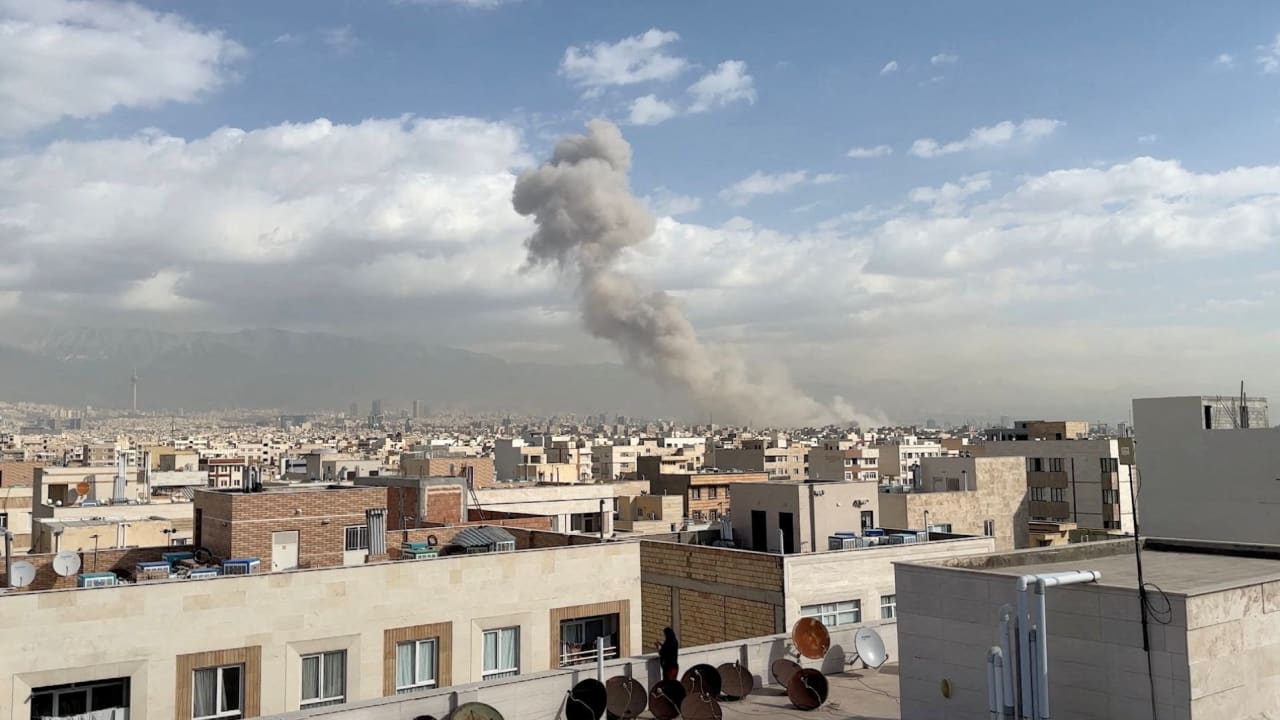
US launches new strikes on Iran alongside Israel
AI comment — why bearish
The escalation of US military action alongside Israel against Iran introduces a significant new layer of geopolitical risk, reverberating across global financial markets. This development is poised to elevate market volatility, as investors grapple with heightened uncertainty regarding regional stability and potential broader conflict. A primary concern revolves around energy markets, where increased tensions in the Middle East could drive crude oil prices higher, exacerbating existing inflationary pressures worldwide. Such a scenario would complicate central banks' efforts to manage inflation, potentially leading to a more hawkish stance on interest rates, which could dampen global economic growth prospects. Consequently, market sentiment is likely to turn more risk-averse, prompting a flight to safety towards assets like gold and government bonds, while equity markets and other risk-on investments may experience downward pressure. This shift reflects a notable erosion of investor confidence and a reduced appetite for risk, as the geopolitical risk premium rises.
Key takeaway
"US launches new strikes on Iran alongside Israel" — BullBear's AI rates this story as a bearish (negative) signal for markets, with a market-impact score of 90 out of 100. That score reflects how strongly the story is likely to move Bitcoin, US equities, the dollar, and gold, and near-duplicate coverage of the same event is clustered so only the representative article is scored. Reported by TheNewsAPI Crypto on February 28, 2026. The call is verified against the actual 24-hour price move on BullBear's public conviction ledger.
Catch the next bear flag
Telegram alerts when our AI scores a story 80+/100 impact (~1-3 per day, no spam). Verified 30d hit rate 44.0%.