Choose language / 한국어

EN / 한
Bitcoin Opened Up to $10,000?… Bloomberg Strategist Says $90,000 Is the Ceiling
Bull/Bear Index 48.5/100
macro ▲ Bull Impact 75/100 Google News Macroecon... Feb 24, 2026 Read original ↗

Bitcoin Opened Up to $10,000?… Bloomberg Strategist Says $90,000 Is the Ceiling

AI comment — why bullish

The emergence of a significant price target from a Bloomberg strategist, suggesting a potential ceiling of $90,000 for Bitcoin, carries notable implications across financial markets. Such a projection, especially following a move towards $10,000, can profoundly influence market sentiment, shifting it towards increased optimism and long-term accumulation. This perspective often aligns with broader macro themes, particularly concerns over inflation and the search for alternative stores of value amidst evolving monetary policies and economic uncertainties. For investors, a high-profile endorsement of substantial upside potential can bolster confidence in Bitcoin's role as a legitimate asset class. This enhanced conviction may, in turn, encourage a greater risk appetite, potentially drawing capital from traditional investments and fostering increased allocation to digital assets as participants re-evaluate their portfolio strategies in a dynamic global landscape.

Key takeaway

"Bitcoin Opened Up to $10,000?… Bloomberg Strategist Says $90,000 Is the Ceiling" — BullBear's AI rates this story as a bullish (positive) signal for markets, with a market-impact score of 75 out of 100. That score reflects how strongly the story is likely to move Bitcoin, US equities, the dollar, and gold, and near-duplicate coverage of the same event is clustered so only the representative article is scored. Reported by Google News Macroeconomics on February 24, 2026. The call is verified against the actual 24-hour price move on BullBear's public conviction ledger.

Catch the next bull catalyst

Telegram alerts when our AI scores a story 80+/100 impact (~1-3 per day, no spam). Verified 30d hit rate 43.0%.
Join Telegram channel

📡 Tomorrow's Watch

Related news

ZeroHedge 2h ago

Trump Admin Weighs Child Care Subsidies For Stay-At-Home Parents

Trump Admin Weighs Child Care Subsidies For Stay-At-Home Parents The Trump administration is drafting a rule that would allow some married couples with a stay-at-home parent to receive federal child care subsidies, an initiative reportedly championed by Vice President JD Vance, according to the New York Times.  The proposal would use the existing Child Care and Development Fund (CCDF), which has traditionally helped lower-income parents pay for child care while they work, attend school or receive job training. Federal guidance currently ties CCDF assistance largely to those activities. Under the proposal, a married couple meeting income requirements could qualify when one spouse works at least 35 hours a week and the other cares for their child at home. The subsidy would effectively help compensate for income forgone by the stay-at-home parent. Unmarried couples with a stay-at-home parent and nonworking single parents would not qualify under the draft. The Times reports that the change reflects a broader effort within the administration to support families that choose parental care over commercial day care. Vance has previously argued that “Young children are clearly happier and healthier when they spend the day at home with a parent.”

#macro
▼ Bear
65/100
ZeroHedge 21h ago

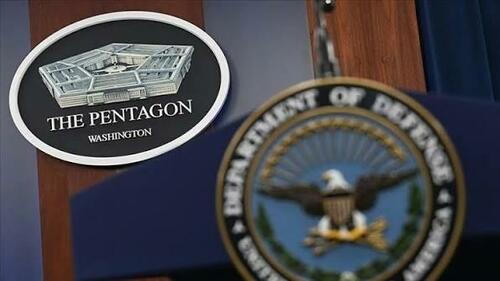
Hegseth's Polygraphs Return To Pentagon In 'Major Leak Hunt' Over Iran War

The resurgence of Hegseth’s polygraph program at the Pentagon, framed as a ‘major leak hunt’ tied to the ongoing Iran conflict, injects fresh geopolitical uncertainty into markets. Investors may interpret the move as an indication that U.S. intelligence agencies are tightening internal controls, potentially slowing the flow of information that could affect defense procurement and broader foreign‑policy decisions. Such ambiguity tends to dampen risk appetite, prompting a shift toward safer assets and pressuring equities, especially those with exposure to defense and energy sectors that are sensitive to Middle‑East tensions. At the macro level, the episode underscores lingering geopolitical fragility and the possibility of heightened fiscal scrutiny, which can weigh on growth expectations. Consequently, confidence among investors could erode, reinforcing a cautious stance and limiting speculative positioning until clearer signals emerge.

The resurgence of Hegseth’s polygraph program at the Pentagon, framed as a ‘major leak hunt’ tied to the ongoing Iran conflict, injects fresh geopolitical uncertainty into markets. Investors may interpret the move as an indication that U.S. intelligence agencies are tightening internal controls, potentially slowing the flow of information that could affect defense procurement and broader foreign‑policy decisions. Such ambiguity tends to dampen risk appetite, prompting a shift toward safer assets and pressuring equities, especially those with exposure to defense and energy sectors that are sensitive to Middle‑East tensions. At the macro level, the episode underscores lingering geopolitical fragility and the possibility of heightened fiscal scrutiny, which can weigh on growth expectations. Consequently, confidence among investors could erode, reinforcing a cautious stance and limiting speculative positioning until clearer signals emerge.

#macro
▼ Bear
75/100
ZeroHedge 22h ago

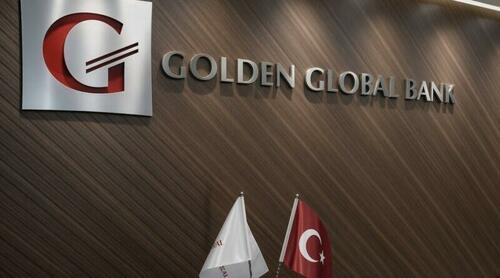
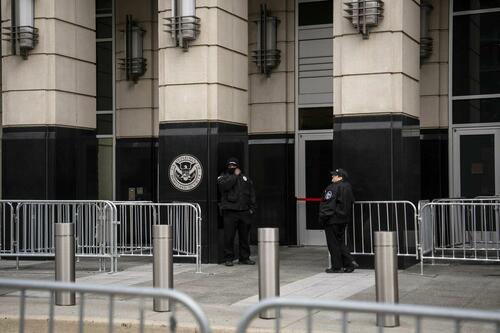
US Sanctions Turkish Bank Over Alleged IRGC Transfers In Latest Action

Recent U.S. sanctions targeting a Turkish bank for alleged IRGC-linked transfers underscore heightened geopolitical risk, prompting a reassessment of exposure to emerging‑market financial institutions. The move amplifies concerns over compliance costs and potential secondary spillovers into regional credit markets, nudging risk‑off sentiment across equities and high‑yield bonds. It dovetails with broader macro themes of tightening U.S. policy toward entities perceived to support sanctioned regimes, reinforcing a narrative of escalating financial isolation for countries with close ties to Iran. Investor confidence may erode as capital flows retreat from markets deemed vulnerable to regulatory crackdowns, compressing valuations and widening spreads. Consequently, risk appetite is likely to contract, with fund managers favoring assets perceived as insulated from geopolitical friction, while speculative positions in the affected region face heightened scrutiny and potential outflows.

Recent U.S. sanctions targeting a Turkish bank for alleged IRGC-linked transfers underscore heightened geopolitical risk, prompting a reassessment of exposure to emerging‑market financial institutions. The move amplifies concerns over compliance costs and potential secondary spillovers into regional credit markets, nudging risk‑off sentiment across equities and high‑yield bonds. It dovetails with broader macro themes of tightening U.S. policy toward entities perceived to support sanctioned regimes, reinforcing a narrative of escalating financial isolation for countries with close ties to Iran. Investor confidence may erode as capital flows retreat from markets deemed vulnerable to regulatory crackdowns, compressing valuations and widening spreads. Consequently, risk appetite is likely to contract, with fund managers favoring assets perceived as insulated from geopolitical friction, while speculative positions in the affected region face heightened scrutiny and potential outflows.

#macro
▼ Bear
65/100
ZeroHedge 1d ago

Ukraine Pushes Congress For Russia Sanctions Before Election Recess

Calls for additional sanctions against Russia ahead of the U.S. election recess signal heightened geopolitical risk, prompting investors to reassess exposure to energy and defense sectors. Heightened tension could compress risk premia, leading to a modest shift toward safe‑haven assets such as Treasury bonds and gold, while equities—particularly those with significant Russian or Eastern European links—may experience downward pressure. The move dovetails with broader macro themes of fiscal policy uncertainty and potential spillovers into commodity markets, as sanctions often tighten oil supply and elevate prices. Investor confidence may waver as policymakers grapple with balancing geopolitical objectives against domestic economic priorities, curbing risk appetite and encouraging a more defensive portfolio stance until clarity emerges post‑recess. The lingering uncertainty may also temper capital inflows into emerging markets, reinforcing a broader flight to quality across asset classes.

Calls for additional sanctions against Russia ahead of the U.S. election recess signal heightened geopolitical risk, prompting investors to reassess exposure to energy and defense sectors. Heightened tension could compress risk premia, leading to a modest shift toward safe‑haven assets such as Treasury bonds and gold, while equities—particularly those with significant Russian or Eastern European links—may experience downward pressure. The move dovetails with broader macro themes of fiscal policy uncertainty and potential spillovers into commodity markets, as sanctions often tighten oil supply and elevate prices. Investor confidence may waver as policymakers grapple with balancing geopolitical objectives against domestic economic priorities, curbing risk appetite and encouraging a more defensive portfolio stance until clarity emerges post‑recess. The lingering uncertainty may also temper capital inflows into emerging markets, reinforcing a broader flight to quality across asset classes.

#macro