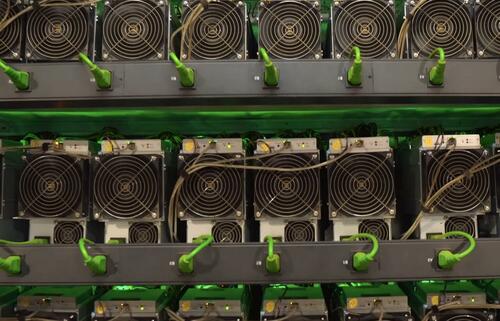
상장 폐지 위기에 처했던 브릿지바이오가 비트코인 회사로 탈바꿈하며 위기를 모면했다는 소식이다.
Key takeaway
"브릿지바이오, 상장 폐지 위기 벗어나 비트코인 회사로 전환 [K-Bio Pulse]" — BullBear's AI rates this story as a bullish (positive) signal for markets, with a market-impact score of 50 out of 100. 상장 폐지 위기에 처했던 브릿지바이오가 비트코인 회사로 탈바꿈하며 위기를 모면했다는 소식이다. Reported by Google News Bitcoin on June 23, 2025. The call is verified against the actual 24-hour price move on BullBear's public conviction ledger.
Catch the next bull catalyst
Telegram alerts when our AI scores a story 80+/100 impact (~1-3 per day, no spam).
Verified 30d hit rate 52.9%.
Rewritten: Bitcoin holders sell; company sales begin.
A shakeout of corporate Bitcoin treasury holdings has begun, with analysis focusing on which companies are selling and who might be next. This trend could exert downward pressure on the cryptocurrency market.
The observed pattern of corporate entities liquidating their Bitcoin holdings indicates a potential recalibration of risk tolerance within the financial landscape. This divestment activity suggests a strategic pivot towards reducing exposure to digital assets, likely in reaction to prevailing macroeconomic conditions characterized by elevated inflation and tightening monetary policy. Such a trend may contribute to a moderation of speculative enthusiasm and foster a more cautious investment environment, potentially influencing the valuation dynamics of the broader cryptocurrency market and the allocation of capital towards assets perceived as higher risk. The observed correlation between these corporate treasury adjustments and volatility in traditional markets suggests that these decisions are influenced by broader economic forces impacting corporate financial strategies and overall investor sentiment.
Rewritten: Bitcoin nears support after tech sell-off triggers profit-taking.
The Bitcoin price is precariously positioned on a trendline support following profit-taking triggered by tech stock liquidations, indicating potential downside risk.
The recent decline in technology stocks, fueled by investors cashing in on prior gains, has contributed to a broader shift in market sentiment. This deleveraging trend, which can signal a move towards reduced risk-taking, is now influencing the cryptocurrency market. The observed correlation between technology equities and digital assets highlights the impact of macroeconomic factors, such as inflation anxieties and anticipated interest rate adjustments, on both asset classes. As a result, investor confidence is facing pressure, leading to a diminished appetite for risk and a more cautious stance on assets considered highly volatile. The ongoing developments in traditional financial markets will be a key indicator, as any ripple effects could further shape the valuation of cryptocurrencies.
Bitcoin has decoupled from AI stocks, but rising oil prices to $96 per barrel could now trap its escape, according to CryptoSlate.
Bitcoin's recent decoupling from the performance of artificial intelligence-related equities suggests a shift in investor focus, potentially signaling a move away from speculative growth assets. However, the resurgence of oil prices, particularly as crude approaches the $96 mark, introduces a significant macroeconomic headwind. This inflationary pressure could dampen overall market sentiment, as higher energy costs typically translate to increased operational expenses for businesses and reduced consumer spending power. Such a scenario challenges the narrative of a smooth disinflationary path, potentially reigniting concerns about persistent inflation and the Federal Reserve's monetary policy stance. Consequently, investor confidence may waver, leading to a recalibration of risk appetite as the market grapples with the dual pressures of potentially slowing economic growth and renewed inflationary concerns.
Ethereum ETFs have attracted $103.9 million in inflows, indicating growing investor interest.
The sustained inflows into Ethereum ETFs, even as Bitcoin experiences outflows, suggest a diversifying investor base and a growing conviction in the broader digital asset ecosystem beyond just the market leader. This trend could signal a maturing market sentiment, indicating investors are increasingly comfortable allocating capital to a wider range of cryptocurrencies, potentially viewing them as complementary rather than purely competitive assets. Such a development aligns with a broader macro theme of institutional adoption of alternative assets, where digital currencies are carving out a more established niche. The ability of Ethereum ETFs to attract capital amidst Bitcoin's fluctuations may bolster overall investor confidence in the digital asset class, potentially increasing risk appetite as investors perceive a more robust and multifaceted market.