Choose language / Korean

EN / 한
NYSE Plunges as AI-Driven Disruption Spreads Across the Board [Wall Street & Wealth] - Maeil Business Newspaper
Bull/Bear Index 45.3/100
macro ▼ Bear Impact 65/100 Google News Economy Feb 12, 2026 Read original ↗

NYSE Plunges as AI-Driven Disruption Spreads Across the Board [Wall Street & Wealth] - Maeil Business Newspaper

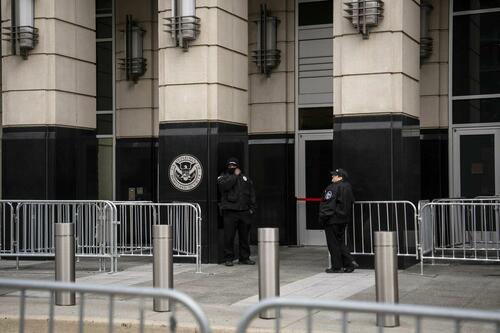
The New York Stock Exchange plummeted as the disruptive impact of AI-related technologies spread broadly.

How this call is verified

The ▼ Bearish call is auto-verified against the actual S&P 500 price shortly.

Bar: S&P 500 ±0.3% within 24h · every verdict lands on the public ledger

Key takeaway

"NYSE Plunges as AI-Driven Disruption Spreads Across the Board [Wall Street & Wealth] - Maeil Business Newspaper" — BullBear's AI rates this story as a bearish (negative) signal for markets, with a market-impact score of 65 out of 100. The New York Stock Exchange plummeted as the disruptive impact of AI-related technologies spread broadly. Reported by Google News Economy on February 12, 2026. The call is verified against the actual 24-hour price move on BullBear's public conviction ledger.

Catch the next bear flag

Telegram alerts when our AI scores a story 80+/100 impact (~1-3 per day, no spam). Verified 30d hit rate 53.1%.

Join Telegram channel

📡 Tomorrow's Watch

Related news

▲ Bull
85/100
Google News Macroeconomics (EN) 2h ago

Cooling inflation boosts bets on Fed rate hold despite Middle East risks

Rewritten: Inflation cools, Fed rate hold likely despite Mideast concerns.

Cooling inflation boosts bets on the Fed holding interest rates steady, even with risks from the Middle East.

Easing inflationary pressures are increasingly leading market participants to anticipate the Federal Reserve maintaining its current interest rate stance, a sentiment that is beginning to outweigh geopolitical anxieties stemming from the Middle East. This shift in expectations could foster a more stable market environment, potentially reducing volatility and encouraging a cautious uptick in investor confidence. The prevailing macro theme of disinflation, if sustained, provides a supportive backdrop for equities, suggesting a potential for renewed risk appetite as the immediate threat of further monetary tightening recedes. This recalibration of Fed policy expectations, even amidst external uncertainties, may allow for a greater focus on fundamental economic drivers, potentially benefiting sectors less sensitive to immediate geopolitical shocks and signaling a more constructive outlook for asset allocation.

Easing inflationary pressures are increasingly leading market participants to anticipate the Federal Reserve maintaining its current interest rate stance, a sentiment that is beginning to outweigh geopolitical anxieties stemming from the Middle East. This shift in expectations could foster a more stable market environment, potentially reducing volatility and encouraging a cautious uptick in investor confidence. The prevailing macro theme of disinflation, if sustained, provides a supportive backdrop for equities, suggesting a potential for renewed risk appetite as the immediate threat of further monetary tightening recedes. This recalibration of Fed policy expectations, even amidst external uncertainties, may allow for a greater focus on fundamental economic drivers, potentially benefiting sectors less sensitive to immediate geopolitical shocks and signaling a more constructive outlook for asset allocation.

#macro
▼ Bear
75/100
Google News Macroeconomics (EN) 2h ago

The Treasury market is sending Fed Chair Kevin Warsh a clear warning about rates

Rewritten: Treasury yields signal Fed's Warsh on rate hikes.

The Treasury market is sending Fed Chair Kevin Warsh a clear warning about rates

The behavior of the Treasury market, especially at longer maturities, indicates a growing investor apprehension regarding the longevity of prevailing interest rate levels. This divergence between market sentiment and potential Federal Reserve policy could presage a period of heightened volatility in both equity and credit sectors. Such a shift in investor perception may dampen confidence, leading to a reassessment of risk tolerance as the expectation of sustained elevated rates confronts prevailing economic growth projections. The prevailing macroeconomic landscape, characterized by persistent inflationary pressures and the central bank's focus on price stability, seems to be the impetus behind this Treasury market signal, suggesting that the trajectory of monetary policy might be more restricted than initially envisioned, potentially capping gains in risk-sensitive assets.

The behavior of the Treasury market, especially at longer maturities, indicates a growing investor apprehension regarding the longevity of prevailing interest rate levels. This divergence between market sentiment and potential Federal Reserve policy could presage a period of heightened volatility in both equity and credit sectors. Such a shift in investor perception may dampen confidence, leading to a reassessment of risk tolerance as the expectation of sustained elevated rates confronts prevailing economic growth projections. The prevailing macroeconomic landscape, characterized by persistent inflationary pressures and the central bank's focus on price stability, seems to be the impetus behind this Treasury market signal, suggesting that the trajectory of monetary policy might be more restricted than initially envisioned, potentially capping gains in risk-sensitive assets.

#macro
▼ Bear
85/100
Google News Macroeconomics (EN) 4h ago

Will the Fed raise interest rates at Kevin Warsh’s second meeting?

Rewritten: Fed rate hike likely at Warsh's second meeting.

The potential for the Federal Reserve to raise interest rates is being discussed as Kevin Warsh participates in his second meeting.

The Federal Reserve's monetary policy trajectory, especially in the context of potential leadership shifts, presents a significant variable for market participants. A discernible move towards higher interest rates, potentially influenced by a more hawkish perspective, could alter the current market equilibrium. This would necessitate a recalibration of investment strategies, as the cost of capital increases and the attractiveness of certain asset classes shifts. Investors may begin to favor assets perceived as more resilient to rising rates, potentially leading to a decrease in demand for riskier, growth-dependent investments. The market's reaction will likely hinge on the perceived pace and magnitude of any such policy adjustments and their implications for inflation and overall economic expansion.

The Federal Reserve's monetary policy trajectory, especially in the context of potential leadership shifts, presents a significant variable for market participants. A discernible move towards higher interest rates, potentially influenced by a more hawkish perspective, could alter the current market equilibrium. This would necessitate a recalibration of investment strategies, as the cost of capital increases and the attractiveness of certain asset classes shifts. Investors may begin to favor assets perceived as more resilient to rising rates, potentially leading to a decrease in demand for riskier, growth-dependent investments. The market's reaction will likely hinge on the perceived pace and magnitude of any such policy adjustments and their implications for inflation and overall economic expansion.

#macro