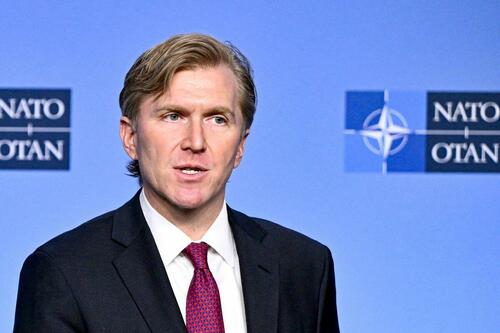
RBA Governor Bullock Warns of Further Rate Hikes If Inflation 'Entrenched'
RBA Governor Bullock warned of further rate hikes if inflation becomes entrenched.
Key takeaway
"RBA Governor Bullock Warns of Further Rate Hikes If Inflation 'Entrenched'" — BullBear's AI rates this story as a bearish (negative) signal for markets, with a market-impact score of 75 out of 100. RBA Governor Bullock warned of further rate hikes if inflation becomes entrenched. Reported by Google News Economy on February 12, 2026. The call is verified against the actual 24-hour price move on BullBear's public conviction ledger.
Catch the next bear flag
Telegram alerts when our AI scores a story 80+/100 impact (~1-3 per day, no spam).
Verified 30d hit rate 49.8%.
Rewritten: Economy strengthens, inflation cools, China poses risk.
Economist Bessent stated that the US economy is strengthening and inflation is cooling. However, he also issued a warning regarding China's economy, suggesting global economic uncertainties.
The confluence of a strengthening economy and moderating inflation suggests a potentially more stable environment for equities, offering a bullish undertone for broader market implications. This dual narrative could foster a more optimistic market sentiment, as investors perceive a reduced likelihood of aggressive monetary tightening. The resilience of the domestic economy, coupled with signs of cooling price pressures, aligns with macro themes of sustainable growth and a potential pivot towards more favorable interest rate conditions. Such developments are likely to bolster investor confidence, encouraging a greater appetite for risk as the perceived downside diminishes. However, a cautionary note regarding China's economic trajectory introduces an element of uncertainty, necessitating careful observation of global growth dynamics and their ripple effects on international markets and corporate earnings.
Questions are being raised about the government's inflation statistics, potentially leading to economic uncertainty.
Persistent doubts regarding the accuracy of official inflation statistics may significantly influence investor sentiment. A perceived divergence between reported economic data and the tangible experiences of consumers and businesses could erode trust in economic indicators. This skepticism, if widespread, could lead to a reduced willingness to take on investment risk, thereby contributing to a more cautious market outlook. Such a sentiment aligns with bearish macroeconomic perspectives, potentially signaling expectations of slower economic expansion and subdued corporate profit growth. Consequently, markets might experience heightened volatility as participants navigate the uncertainties surrounding the actual inflation rate and the efficacy of governmental economic policies. A prolonged decline in investor confidence could precipitate a reassessment of asset values, potentially shifting preference towards assets perceived as less susceptible to economic downturns.
Rewritten: Rate cut hopes fade as Trump's economic boost plan falters.
Former President Trump desired interest rate cuts as 'rocket fuel' for the economy, but his efforts have not yet yielded the desired outcome from monetary policy.
The former president's expressed preference for substantial interest rate reductions to invigorate the economy is encountering significant resistance, indicating a potential divergence between political objectives and the operational framework of monetary policy. This disparity may contribute to increased market volatility, as participants assess the likelihood of sustained elevated borrowing expenses. Such conditions could negatively impact market sentiment, potentially leading to a preference for more resilient industries over those reliant on rapid expansion. The prevailing economic narrative of persistent inflation and the central bank's dedication to maintaining price stability are thus underscored, possibly prompting a reassessment of investor optimism. As a result, a reduction in risk tolerance may emerge, as the expectation of robust economic growth driven by accommodative financial conditions diminishes, encouraging a more conservative investment strategy.
Rewritten: US, Japan Intervene Heavily to Boost Yen
The US and Japan have undertaken the largest currency intervention in history to support the Yen. However, the historical lack of success in currency interventions raises doubts about its effectiveness.
A coordinated currency intervention of unprecedented scale by the United States and Japan to bolster the Japanese Yen carries significant broader market implications. Such a substantial move suggests a heightened concern over uncontrolled Yen depreciation, potentially signaling underlying economic vulnerabilities that could ripple through global financial markets. The intervention's sheer magnitude is likely to influence market sentiment, injecting a degree of caution as investors reassess currency valuations and the stability of major economies. This action directly connects to macro themes of inflation, interest rate differentials, and the potential for currency wars, highlighting the delicate balance of global economic policy. Consequently, investor confidence may be tested, leading to a recalibration of risk appetite as the market digests the implications of such a powerful intervention and its potential effectiveness in stabilizing currency markets.
#macro
Get the next 80+ impact catalyst
Push notifications when our AI flags a high-impact bull/bear story. ~1–3 per day.