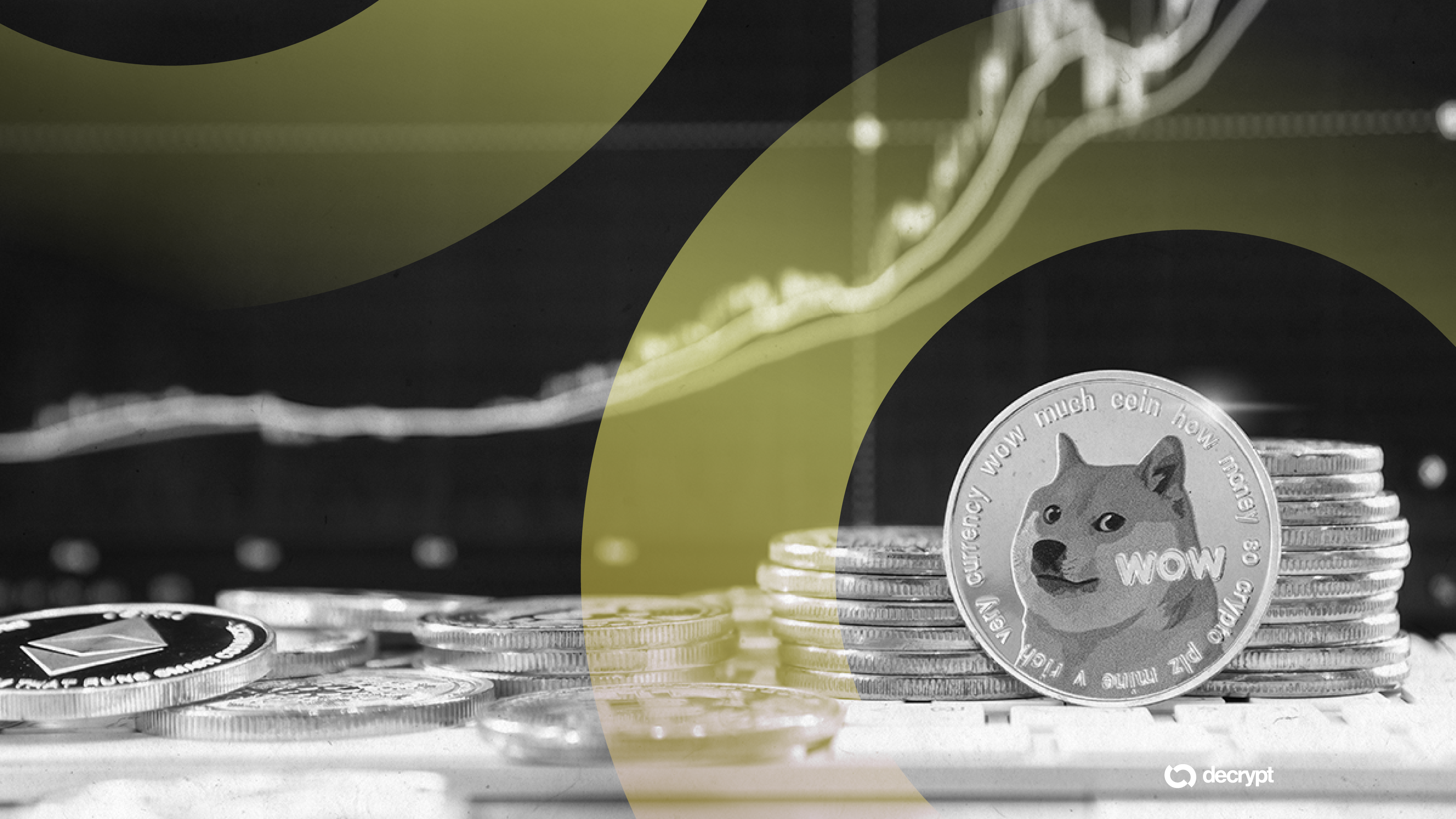
현재 거래 중인 21Shares의 상품은 SEC로부터 공식 승인을 받은 최초의 미국 현물 도지코인 ETF입니다.
How this call is verified
The ▲ Bullish call is auto-verified against the actual BTC price
shortly.
Bar: BTC ±1% within 24h · every verdict lands on the public ledger
Key takeaway
"도지코인 재단 지원 21Shares DOGE ETF, 나스닥 상장" — BullBear's AI rates this story as a bullish (positive) signal for markets, with a market-impact score of 80 out of 100. 현재 거래 중인 21Shares의 상품은 SEC로부터 공식 승인을 받은 최초의 미국 현물 도지코인 ETF입니다. Reported by Decrypt Feed on January 22, 2026. The call is verified against the actual 24-hour price move on BullBear's public conviction ledger.
Catch the next bull catalyst
Telegram alerts when our AI scores a story 80+/100 impact (~1-3 per day, no spam).
Verified 30d hit rate 52.9%.
CertiK highlights technical and operational challenges within the Certik Chain, raising concerns about the security and reliability of the Ethereum ecosystem.
Rewritten: Two firms sold 511 Bitcoin, clearing $31.7 million debt.
Two public companies liquidated 511 Bitcoin within 24 hours to clear $31.7 million in debt, signaling potential liquidity concerns and financial pressures within the crypto market.
The recent liquidation of a significant Bitcoin holdings by two public entities, totaling 511 BTC and addressing $31.7 million in debt, signals a potential shift in corporate treasury management strategies. This move, executed rapidly, could indicate a growing pressure on companies to de-risk balance sheets amidst prevailing economic uncertainty and rising interest rates, a key macro theme. Such actions, even if isolated, may contribute to a cautious market sentiment, as investors scrutinize corporate financial health and their exposure to volatile assets. The necessity for these companies to divest substantial Bitcoin reserves to meet financial obligations could temper investor confidence in digital assets as a long-term treasury solution, potentially impacting risk appetite for similar corporate holdings and influencing broader market perceptions of Bitcoin's role beyond speculative investment.
Rewritten: Bitcoin's drop signals potential end to BTCI's 15% yield.
Bitcoin's 40% decline suggests that BTCI's 15% yield may not be sustainable.
A significant Bitcoin downturn, as highlighted, underscores the inherent volatility within digital asset markets, suggesting that high yields, such as the 15% mentioned, may be unsustainable in the face of such price swings. This price action can dampen overall market sentiment, fostering a more cautious approach among investors. Such declines often correlate with broader macroeconomic concerns, including inflation, interest rate hikes, and geopolitical instability, which collectively influence risk appetite across all asset classes. Consequently, investor confidence may erode, leading to a reduced willingness to allocate capital to riskier investments like cryptocurrencies, particularly those offering seemingly attractive but potentially precarious yields. The interconnectedness of these factors suggests that a sharp correction in Bitcoin can have ripple effects, impacting sentiment and investment strategies throughout the digital asset ecosystem and beyond.
Rewritten: Bitcoin drop signals BTCI yield may not persist.
Bitcoin's 40% decline raises questions about the sustainability of BTCI's 15% yield.
The recent sharp downturn in Bitcoin's price, exceeding 40%, casts a significant shadow over the sustainability of high yields offered by products like BTCI, suggesting a potential disconnect from underlying asset volatility. This price action can dampen overall market sentiment, particularly within the cryptocurrency space, as investors re-evaluate risk-reward profiles. The decline is not occurring in a vacuum; it's influenced by broader macroeconomic themes such as rising interest rates and inflationary pressures, which are prompting a general shift away from speculative assets. Consequently, investor confidence may erode, leading to a reduced appetite for riskier investments as capital seeks safer havens. This environment necessitates a closer examination of the underlying mechanics and collateral supporting such yield-generating products, as market downturns can expose vulnerabilities.
#crypto
Get the next 80+ impact catalyst
Push notifications when our AI flags a high-impact bull/bear story. ~1–3 per day.