macro
◆ MixedImpact 10/100Google News Macroecon...59m ago
Read original ↗
Federal Reserve Bank of Dallas Archives - Alternative Credit Investor
Federal Reserve Bank of Dallas Archives
Key takeaway
"Federal Reserve Bank of Dallas Archives - Alternative Credit Investor" — BullBear's AI rates this story as a mixed, direction-neutral signal, with a market-impact score of 10 out of 100. Federal Reserve Bank of Dallas Archives Reported by Google News Macroeconomics (EN) on August 06, 2026. The call is verified against the actual 24-hour price move on BullBear's public conviction ledger.
Get the next high-impact catalyst
Telegram alerts when our AI scores a story 80+/100 impact (~1-3 per day, no spam).
Verified 30d hit rate 48.1%.
Rewritten: Musalem backs rate hikes, inflation remains high
Fed official Musalem states inflation remains too high, supporting further rate hikes
The Fed's Musalem signaling continued rate hikes amid persistent inflation reinforces a restrictive monetary policy stance, casting doubt on near-term relief for equity markets. This stance heightens concerns about prolonged high borrowing costs, pressuring growth-oriented sectors and bond yields, while dampening risk appetite across asset classes. Market sentiment shifts toward caution as investors grapple with the prospect of extended tightening, potentially delaying the anticipated pivot to cuts. The persistence of elevated inflation data, central to Musalem's view, underscores a macro environment where real economic growth faces headwinds, eroding confidence in a swift soft landing. Consequently, investor willingness to assume risk diminishes, favoring defensive assets and potentially triggering capital rotation away from equities, amplifying volatility in a challenging macro backdrop. (142 words)
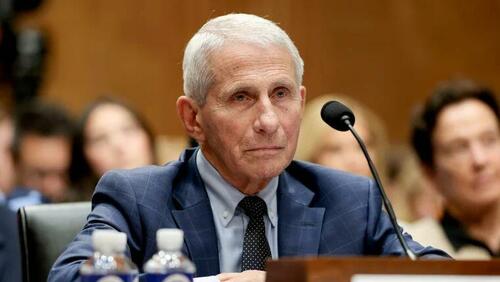
Anthony Fauci has been held in contempt of Congress by the Homeland Security and Governmental Affairs Committee for refusing to answer lawmakers' questions.
Rewritten: Trump views Fed's Warsh as ally, risking economy
Trump's alignment with Fed Chairman Kevin Warsh creates economic policy risks
Political alignment between a president and a central bank chairperson, particularly one advocating for aggressive monetary policy, introduces significant uncertainty into market dynamics. This perceived alignment risks undermining the Federal Reserve’s perceived independence, a cornerstone of stable monetary policy. Investors may interpret such dynamics as signaling potential political interference in interest rate decisions, directly challenging the Fed’s inflation-fighting mandate. Consequently, market sentiment could shift towards heightened volatility and risk aversion, as confidence in policy credibility diminishes. This erosion of trust would likely suppress risk appetite, prompting a flight to safer assets and potentially dampening broader economic activity. The macro implication is a destabilizing feedback loop where policy uncertainty amplifies economic volatility, creating a bearish environment for equities and growth-sensitive assets. (142 words)
Forecasts of an upcoming Fed rate cut are expected to boost risk assets and gold while weakening the USD.
The persistent cooling in inflation data and softening labor market indicators suggest the Federal Reserve is nearing a pivot, with rate cuts likely to materialize in the coming months. This shift carries significant broader market implications, potentially lifting equity valuations by reducing discount rates and easing borrowing costs across sectors. Market sentiment is poised to shift toward risk-on positioning as the perceived threat of prolonged high rates diminishes, fostering renewed confidence in economic resilience. This aligns with the dominant macro theme of a soft landing scenario, where cooling inflation allows policy accommodation without reigniting price pressures. Consequently, investor confidence should strengthen, encouraging greater allocation to equities and riskier assets as the path to sustained growth appears clearer, though the pace of the easing cycle remains crucial for market stability.
#macro
Get the next 80+ impact catalyst
Push notifications when our AI flags a high-impact bull/bear story. ~1–3 per day.