K-Bank's first-half net profit down 28.7%... Impact of reduced bond sales
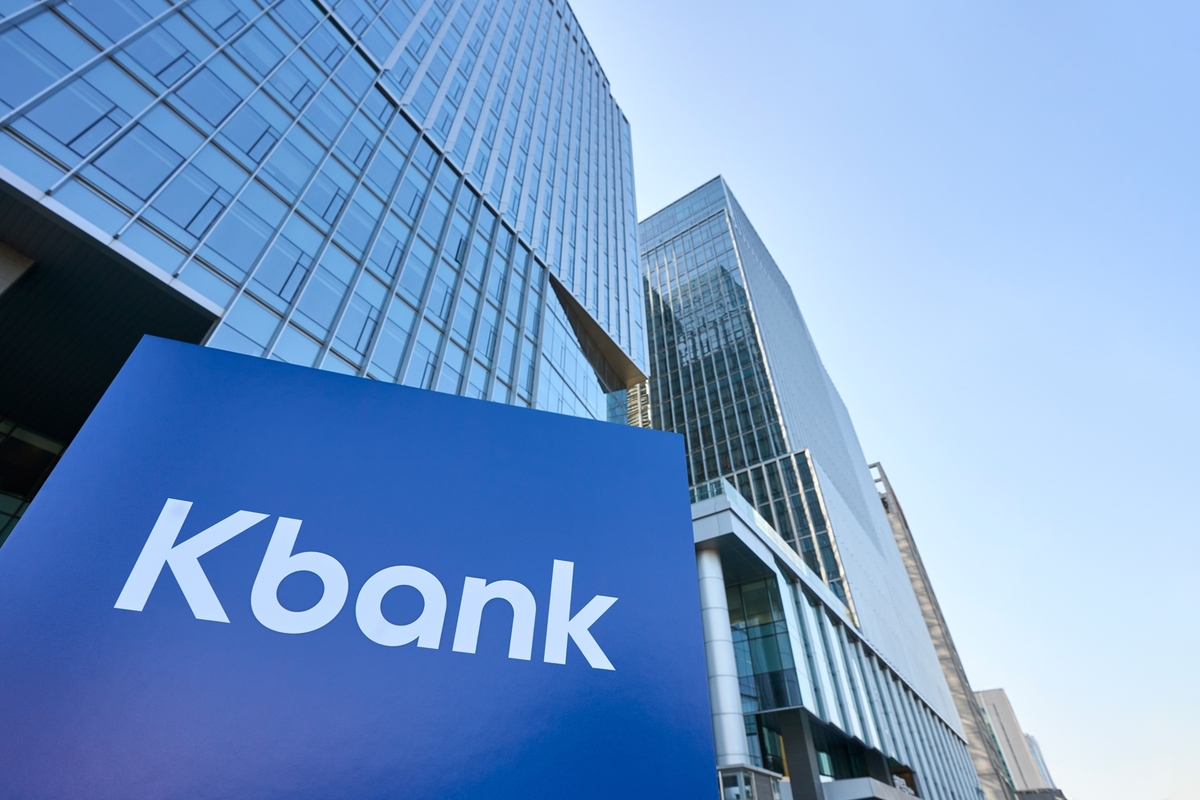
K-Bank's net profit for the first half of the year decreased to 60.1 billion won. While interest income increased, overall profitability slowed significantly due to a sharp decline in bond sale gains that boosted last year's performance.
Key takeaway
"K-Bank's first-half net profit down 28.7%... Impact of reduced bond sales" — BullBear's AI rates this story as a bearish (negative) signal for markets, with a market-impact score of 45 out of 100. K-Bank's net profit for the first half of the year decreased to 60.1 billion won. While interest income increased, overall profitability slowed significantly due to a sharp decline in bond sale gains that boosted last year's performance. Reported by TokenPost on July 30, 2026. The call is verified against the actual 24-hour price move on BullBear's public conviction ledger.
Catch the next bear flag
Telegram alerts when our AI scores a story 80+/100 impact (~1-3 per day, no spam).
Verified 30d hit rate 51.5%.
Rewritten: OFAC sanctions Iran's Bitcoin network and eight oil tankers.
The U.S. Treasury Department's Office of Foreign Assets Control (OFAC) has targeted Iran's Bitcoin-based sanctions evasion network and blocked eight 'shadow tankers' suspected of transporting Iranian oil.
The U.S. Treasury Department's Office of Foreign Assets Control (OFAC) action against Iran's alleged Bitcoin toll network and associated shadow tankers introduces a new layer of regulatory risk to digital asset markets, particularly those involved in facilitating illicit finance. This development could dampen sentiment by highlighting the potential for sanctions to directly impact cryptocurrency infrastructure, raising concerns about asset traceability and regulatory scrutiny. The move aligns with broader geopolitical efforts to curb state-sponsored illicit activities and could reinforce a cautious approach from institutional investors, potentially tempering risk appetite in digital asset classes perceived as vulnerable to such enforcement actions. The interconnectedness of global finance means such targeted sanctions can ripple through markets, prompting a reassessment of risk profiles for assets and entities operating in or interacting with sanctioned jurisdictions.
#crypto
Get the next 80+ impact catalyst
Push notifications when our AI flags a high-impact bull/bear story. ~1–3 per day.