macro
◆ MixedImpact 70/100Google News Macroecon...4h ago
Read original ↗
What to expect from Kevin Warsh’s second FOMC meeting as chair - Scotsman Guide
What to expect from Kevin Warsh’s second FOMC meeting as chair.
Key takeaway
"What to expect from Kevin Warsh’s second FOMC meeting as chair - Scotsman Guide" — BullBear's AI rates this story as a mixed, direction-neutral signal, with a market-impact score of 70 out of 100. What to expect from Kevin Warsh’s second FOMC meeting as chair. Reported by Google News Macroeconomics (EN) on July 27, 2026. The call is verified against the actual 24-hour price move on BullBear's public conviction ledger.
Get the next high-impact catalyst
Telegram alerts when our AI scores a story 80+/100 impact (~1-3 per day, no spam).
Verified 30d hit rate 52.1%.
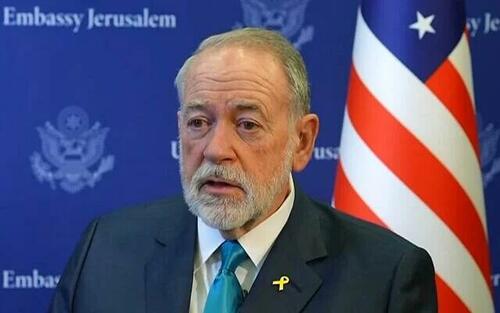
Ahead of a meeting with Israeli Prime Minister Benjamin Netanyahu, former President Trump praised Turkey as a 'tremendous' ally while also criticizing Israel's stance on the sale of F-35s.
Rewritten: Fed Chair Warsh's words indicate interest rate direction.
8 Words From Fed Chair Kevin Warsh That Signal Where Interest Rates Are Headed The Motley Fool
Speculation surrounding Federal Reserve policy remains a dominant force, and any pronouncements from former Chair Kevin Warsh, particularly those hinting at interest rate trajectory, can significantly influence broader market dynamics. Such commentary often amplifies existing concerns about inflation and economic growth, potentially leading to a more cautious market sentiment. This aligns with ongoing macro themes of monetary tightening and the persistent challenge of balancing price stability with economic expansion. Consequently, investor confidence may waver, prompting a recalibration of risk appetite as market participants digest the implications for future borrowing costs and corporate profitability. The market's reaction will likely be sensitive to the perceived hawkishness or dovishness embedded within Warsh's remarks, shaping trading strategies and asset allocation decisions in the short to medium term.
Growing public outrage over high electricity costs is putting utility profits under pressure, with several states taking steps to lower utility rates amid affordability concerns.
Hawkish signals are building ahead of the Federal Reserve meeting as the conflict in Iran fuels inflation risks.
Federal Reserve officials have been signaling a more hawkish disposition, suggesting a potential for sustained restrictive monetary policy. This stance is being amplified by escalating geopolitical instability, particularly in the Middle East. The conflict's potential to disrupt supply chains and impact energy prices introduces a renewed risk of inflationary pressures. Such a scenario could complicate the Federal Reserve's efforts to manage inflation, potentially necessitating a prolonged period of higher interest rates. The convergence of these factors may lead to increased market volatility and a more conservative investor outlook, as the possibility of slower economic growth alongside elevated inflation becomes a more prominent concern. This environment could prompt a reassessment of asset valuations and a shift towards defensive positioning within portfolios.
Rewritten: US sees victory as Venezuela exits ICC post-Maduro.
Washington Gets A Win After Post-Maduro Venezuela Withdraws From ICC
The withdrawal of Venezuela from the International Criminal Court's jurisdiction following the Maduro regime's actions presents a subtle but potentially positive shift for global markets. This development can be interpreted as a small victory for diplomatic maneuvering, potentially reducing geopolitical friction in a region already sensitive to political instability. For market sentiment, it may foster a slightly more optimistic outlook, suggesting a degree of de-escalation in international legal disputes. This aligns with a broader macro theme of countries seeking to assert national sovereignty and manage their affairs without external judicial oversight, which could be seen as a stabilizing factor in certain emerging markets. Investor confidence might see a marginal boost as a perceived area of legal uncertainty is resolved, potentially leading to a slightly increased appetite for risk in related geographies, as the immediate threat of international legal repercussions diminishes for the current administration.
#macro
Get the next 80+ impact catalyst
Push notifications when our AI flags a high-impact bull/bear story. ~1–3 per day.